
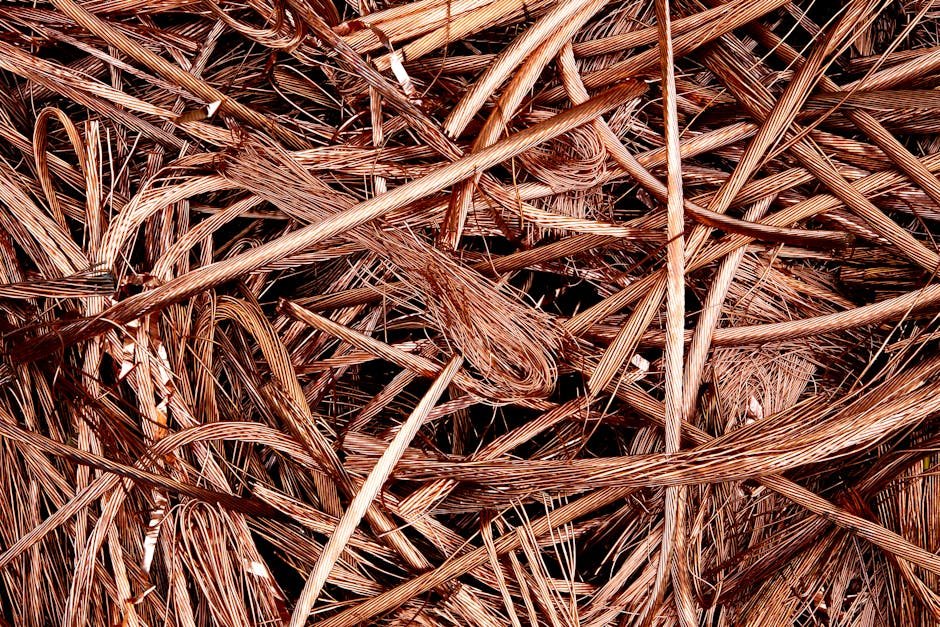

When it comes to managing industrial or residential metal waste, understanding the nuances of copper scrap Yagoona is essential for both contractors and homeowners. Copper remains one of the most valuable non-ferrous metals in the Australian economy, and because it is infinitely recyclable without losing its physical properties, it represents a significant opportunity for revenue generation. Whether you are clearing out a job site or managing a manufacturing facility, knowing how to categorize your material will directly influence your profit margins.
Understanding Copper Grades: What You Need to Know
Not all copper is created equal. To maximize your returns, you must be able to distinguish between the various grades of Scrap Copper. The value of your haul is determined by the purity of the metal, the presence of contaminants (like insulation, solder, or paint), and the current market demand.
Bare Bright Copper: This is the gold standard of the scrap industry. It consists of clean, unalloyed, uncoated, and unplated copper wire, typically 16 gauge or thicker, stripped of all insulation. Because it requires minimal processing, it commands the highest price.
Number 1 Copper: This grade includes clean copper pipe or tubing that is free of fittings, solder, or excessive oxidation. It is essentially the plumbing equivalent of bare bright.
Number 2 Copper: This grade is slightly more impure. It may include copper wire with some oxidation, or copper pipe that has solder joints or minor paint residue. While it fetches a lower price than bare bright, it remains a highly sought-after commodity.
Copper-Bearing Scrap: This includes items like electric motors, transformers, and radiators. These require specialized processing to separate the copper from other metals and plastics, which is why they are priced differently than pure copper wire or pipe.
For those looking to stay updated on current valuations, checking Scrap Copper Prices Near Me is the best way to ensure you are getting a fair deal based on the daily LME (London Metal Exchange) fluctuations.
The Copper Recycling Process: From Yagoona to Industry
The journey of your metal starts at the collection point, such as a scrap copper recycling yagoona facility. Once the copper is collected, it undergoes a rigorous multi-stage process to transform it into a raw material that can be used for new manufacturing.
- Sorting and Grading: Experts manually or mechanically sort the copper based on the grades mentioned above. This is the most critical step for quality control.
- Stripping and Shredding: If you bring in insulated copper wire, the facility will use industrial granulators to strip the plastic casing from the metal. The plastic is separated from the copper granules.
- Melting and Refining: The sorted copper is placed into large furnaces and melted at temperatures exceeding 1,085°C. During this phase, impurities are skimmed off the top or removed through chemical processes.
- Casting: The purified molten copper is cast into ingots, billets, or rods, which are then sold to manufacturers to create new electrical wiring, piping, or automotive components.
By participating in this cycle, you are not just making money; you are contributing to a circular economy. The energy required to recycle copper is up to 85% less than the energy required to mine and refine virgin ore, making it one of the most environmentally sustainable industrial practices in Australia.
Economic Advantages of Professional Scrap Trading
Trading with a reputable Copper Scrap Group provides more than just financial gain. It provides logistical support and professional guidance. When you are dealing with large volumes of metal, the logistics of transport can be a hurdle. Professional services often offer yagoona scrap copper pick up, allowing you to focus on your business operations while the heavy lifting is handled by experts.
When you track the copper price per kg, you are tracking a global commodity. Factors such as infrastructure development in Asia, the shift toward electric vehicles (which require significantly more copper than internal combustion engines), and supply chain disruptions all play a role in the daily price. By working with a professional platform like Scrap Trade, you gain access to market insights that help you decide when to hold your scrap and when to sell for maximum profit.
Environmental Benefits of Recycling Copper
Copper is a 100% recyclable metal. Unlike plastics, which degrade in quality with each recycling cycle, copper can be recycled indefinitely without losing its conductivity or durability. In the Yagoona region, as in the rest of Australia, the environmental impact of mining is significant. Mining requires massive land disturbance, water usage, and chemical processing.
By choosing to recycle your copper pipe and copper wire, you are directly reducing the demand for new mining operations. This preservation of natural resources is vital for the long-term health of our ecosystems. Furthermore, the reduction in greenhouse gas emissions during the recycling process is a key component in meeting national carbon reduction targets.
Practical Tips for Maximizing Your Scrap Returns
To ensure you walk away with the best possible payout, follow these expert tips:
- Separate Your Metals: Never mix your copper with steel, aluminum, or brass. Contamination significantly lowers the value of your entire load.
- Remove Non-Copper Attachments: If you have copper pipes with brass fittings or steel valves, remove them. A clean load is always worth more.
- Strip Insulation Carefully: While bare bright is the most valuable, ensure you have the right equipment to strip wire. If you lack the tools, bring the wire as-is, but understand that the weight of the insulation will be factored into the final price.
- Store Properly: Keep your scrap in a dry, covered area. Excessive oxidation from rain and moisture can turn high-grade copper into lower-grade material over time.
- Use Reliable Scales: Always deal with companies that use certified, calibrated scales. Transparency in weighing is the hallmark of a professional metal recycler.
For more detailed information on how to manage your specific metal inventories, visit Scrap Trade Australia to view their comprehensive resources on metal management and industry standards.
The Future of Copper in the Green Economy
As the world transitions toward renewable energy, copper has become the “metal of the future.” Solar panels, wind turbines, and high-capacity battery storage systems all rely heavily on copper for electrical conductivity. This increasing demand is expected to keep the copper price per kg elevated for the foreseeable future. For those involved in copper scrap Yagoona, this represents a long-term opportunity to capitalize on the transition to green energy. By recycling today, you are essentially feeding the supply chain for the technologies of tomorrow.
Safety and Compliance in Scrap Handling
Safety is paramount when handling scrap metal. Copper wire can be sharp, and heavy pipes can cause injury if not handled with proper lifting techniques. Always wear heavy-duty gloves and steel-toed boots. Furthermore, ensure that you are compliant with local environmental regulations regarding the storage of scrap metal. Preventing soil contamination from oils or residues found on certain industrial scrap is a legal requirement for businesses in the Yagoona area.
Conclusion: Choosing the Right Partner
Navigating the world of scrap metal doesn’t have to be complicated. By understanding the grades, knowing the market, and partnering with a trusted recycling facility, you can turn your waste into a significant revenue stream. Whether you are a professional tradesperson or a local resident, the principles of high-quality sorting and timely selling remain the same. Start by assessing your current inventory, separating your grades, and reaching out to professionals who can provide accurate weighing and competitive pricing. The circular economy relies on your participation, and with the right approach, you can lead the way in sustainable metal management.
Frequently Asked Questions
What is the difference between bare bright and number 2 copper?
Bare bright copper is clean, unalloyed, and uncoated copper wire that is free of insulation, representing the highest purity. Number 2 copper is slightly lower in quality, often containing minor oxidation, solder joints, or paint, which requires more processing.
How can I get the best copper price per kg in Yagoona?
The best way to maximize your return is to properly sort and clean your copper before taking it to the yard. Removing insulation, steel fittings, and other contaminants ensures you are paid for the highest possible grade.
Is it worth stripping insulation from copper wire?
Yes, if you have the proper tools, stripping insulation is usually worth the effort because bare copper is significantly more valuable than insulated wire. However, if you have very small gauge wire, the time investment might not be worth the price difference.
Why is recycling copper better for the environment than mining?
Recycling copper uses up to 85% less energy than extracting and refining virgin copper ore. It also prevents the destruction of natural habitats caused by large-scale mining operations and reduces the carbon footprint associated with metal production.