
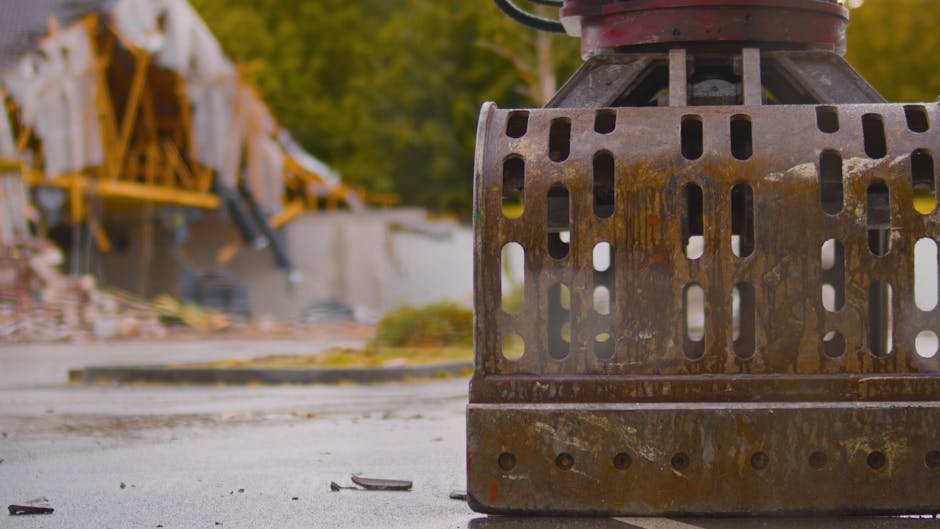

When professional teams approach a demolition kings langley project, the focus shifts from simple destruction to calculated resource recovery. In the Australian construction and demolition (C&D) sector, the management of site waste has evolved from a disposal-heavy model to an asset-recovery model. By identifying, segregating, and processing materials on-site, project managers can turn what was once considered debris into a lucrative revenue stream. This guide explores the technical, economic, and environmental facets of maximizing value from demolition sites across Australia.
Understanding the Value Chain in Demolition
The economic viability of any large-scale demolition project depends heavily on the secondary commodity market. When you engage with a professional demolition scrap buyer, you are essentially tapping into a global supply chain that values recycled metals far above virgin materials due to the lower energy footprint required for smelting. In the context of demolition kings langley, the primary objective is to maximize the purity of the scrap stream. Contaminated scrap—materials mixed with concrete, glass, or plastic—drastically reduces the price per tonne. Therefore, the most successful demolition contractors implement rigorous on-site sorting protocols.
Structural steel represents the backbone of the demolition scrap industry. Because of its high mass and relative ease of handling, it is often the first material targeted for recovery. If you are looking to source high-quality materials for future projects, you should Buy Structural Steel Scrap From Demolition In 2026 to ensure your supply chain remains resilient against market fluctuations. The process involves flame cutting or hydraulic shearing of beams, which are then graded based on their thickness and length. This material is highly sought after by steel mills that utilize electric arc furnaces, which are significantly more efficient when fed with high-grade recycled steel.
Copper Recovery and Electrical Infrastructure
Electrical infrastructure is perhaps the most valuable component of any commercial demolition. Copper, due to its high conductivity and infinite recyclability, maintains a high market value regardless of economic cycles. When stripping a building, the focus must be on the efficient extraction of cabling and piping. To maximize your returns, you must know how to properly Sell Demolition Copper Scrap Building Wire Pipe. This involves stripping the PVC insulation from the copper wire, which significantly increases the grade and, consequently, the payout.
Beyond simple wire, plumbing systems often contain high-grade copper piping that has been protected within the building envelope. In demolition kings langley operations, the recovery of these materials requires specialized labor, but the ROI is typically double that of structural steel. It is vital to work with a reputable scrap metal trading platform that provides real-time market data, ensuring that you are not settling for outdated prices. By monitoring the LME (London Metal Exchange) and local Australian premiums, contractors can time their sales to coincide with market peaks, further enhancing the profitability of the demolition site.
Aluminium and Non-Ferrous Asset Management
While steel and copper dominate the tonnage, aluminium is the silent profit driver in modern demolition. From window frames to cladding and HVAC ducting, aluminium is ubiquitous in commercial architecture. Contractors who ignore the potential of these materials are leaving significant capital on the table. If you are currently managing a site clearance, you should Sell Aluminum Window Frame Scrap Building Demolition In 2026 to capitalize on the high demand for recycled aluminium in the automotive and construction sectors.
The key to aluminium recovery is the removal of non-metallic attachments. Window frames often have rubber seals, glass shards, and steel screws embedded in them. Using a dedicated processing area on-site to remove these contaminants can move your material from a ‘mixed’ grade to a ‘clean’ grade, which can command a premium of 20-30% in the current market. This level of attention to detail is what defines a top-tier demolition contractor. For those operating in specific regions, such as the complete demolition central coast projects, the logistics of transporting these materials to a processing facility must be factored into the initial project quote.
Logistics and Site Safety Protocols
Managing the flow of heavy materials out of a demolition site requires a sophisticated logistics strategy. A demolition kings langley project is not just about the machinery used to pull down walls; it is about the heavy-duty transport fleet required to move thousands of tonnes of scrap. Safety is paramount during this phase. Every worker on-site must be trained in the handling of hazardous materials, particularly when dealing with older buildings that may contain lead-based paints or asbestos-contaminated metal.
The use of the professional scrap metal recycling directory is highly recommended for contractors who need to find local transport partners who specialize in heavy haulage. A common mistake is hiring general waste haulers who do not have the equipment to handle heavy-gauge steel or the certification to handle specific scrap types. By partnering with specialized scrap haulers, you ensure that your materials are transported safely and that you receive accurate weighbridge dockets, which are essential for accounting and environmental compliance reporting.
Environmental Compliance and Sustainability
In the modern Australian regulatory environment, demolition is increasingly viewed through the lens of the circular economy. Government mandates regarding landfill diversion are becoming stricter, and project managers are now required to provide detailed waste management plans. By recycling 90% or more of the metal content from a demolition site, companies can significantly improve their ESG (Environmental, Social, and Governance) scores, which is becoming a prerequisite for winning government tenders.
Furthermore, the energy savings associated with using recycled metal versus virgin ore are staggering. For example, recycling aluminium saves approximately 95% of the energy required to produce the same amount of aluminium from bauxite ore. As demolition professionals, documenting these savings is a powerful marketing tool. It demonstrates to clients that your company is not just clearing a site, but is actively contributing to Australia’s sustainability goals. This narrative is essential for any business operating in the high-stakes environment of large-scale demolition.
Technological Advancements in Scrap Processing
The industry is currently seeing a shift toward on-site advanced processing. Mobile hydraulic shears and portable balers allow contractors to densify scrap on-site, which drastically reduces transport costs. Since scrap metal is often sold by the tonne but transported by volume, densification is the secret to increasing profit margins. If you can fit 20 tonnes of scrap into a truck that would normally only hold 10 tonnes due to the ‘air’ in the load, you have effectively halved your logistics cost.
Additionally, the use of handheld XRF (X-ray fluorescence) analyzers has become standard for identifying metal alloys. This technology allows site managers to instantly distinguish between different grades of stainless steel or aluminium alloys, ensuring that high-value materials are not mixed with lower-value scrap. Investing in these technologies is a hallmark of the most successful demolition firms. It turns a manual, labor-intensive process into a data-driven operation, where every piece of scrap is accounted for and sold at its true market value.
Future-Proofing Your Demolition Strategy
As we look toward the future, the demand for recycled metals will only increase. With the global transition to renewable energy, the need for copper in electrical grids and aluminium in electric vehicle manufacturing is set to skyrocket. Demolition contractors are perfectly positioned to act as the ‘urban mines’ of the 21st century. By treating every demolition site as a resource deposit rather than a waste site, you are future-proofing your business against the volatility of raw material prices.
To stay ahead, you must remain connected to the industry. Regularly reviewing market trends, attending trade shows, and utilizing digital platforms for scrap trading will keep you competitive. The landscape of demolition is changing, and those who embrace the scrap-first mentality will be the ones who lead the industry in the coming decade. Whether you are dealing with small-scale residential demolition or massive industrial decommissioning, the principles of material recovery remain the same: segregate, process, and sell at the right time.
Conclusion
The successful execution of a demolition project requires more than just heavy machinery; it requires a deep understanding of metal markets, logistical efficiency, and environmental responsibility. By implementing the strategies outlined in this guide, you can transform the way your company handles demolition materials, turning potential waste into a significant revenue stream. From the structural steel that forms the skeleton of a building to the intricate copper wiring hidden within its walls, every component has value. As you navigate your next demolition kings langley project, remember that the most successful contractors are those who view every site as an opportunity to contribute to a more sustainable, circular economy.
Frequently Asked Questions
How can I maximize the value of scrap metal from a demolition site?
The most effective way to maximize value is by strictly segregating materials on-site. Keeping metals clean from contaminants like concrete, plastic, and glass ensures you receive the highest grade and, consequently, the best market price.
Why is it important to strip copper wire before selling it?
Stripping the PVC insulation from copper wire significantly increases the purity of the copper. Clean, bright copper wire commands a much higher price per kilogram than insulated wire, which requires additional processing by the buyer.
How does on-site densification help with demolition profits?
On-site densification using hydraulic shears or balers reduces the volume of the scrap. This allows you to load more weight onto each transport vehicle, directly lowering your logistics costs per tonne.
What is the role of XRF analyzers in scrap metal demolition?
Handheld XRF analyzers allow contractors to instantly identify the specific alloy composition of metal scrap. This prevents high-value metals from being sold at lower-grade prices due to misidentification.