
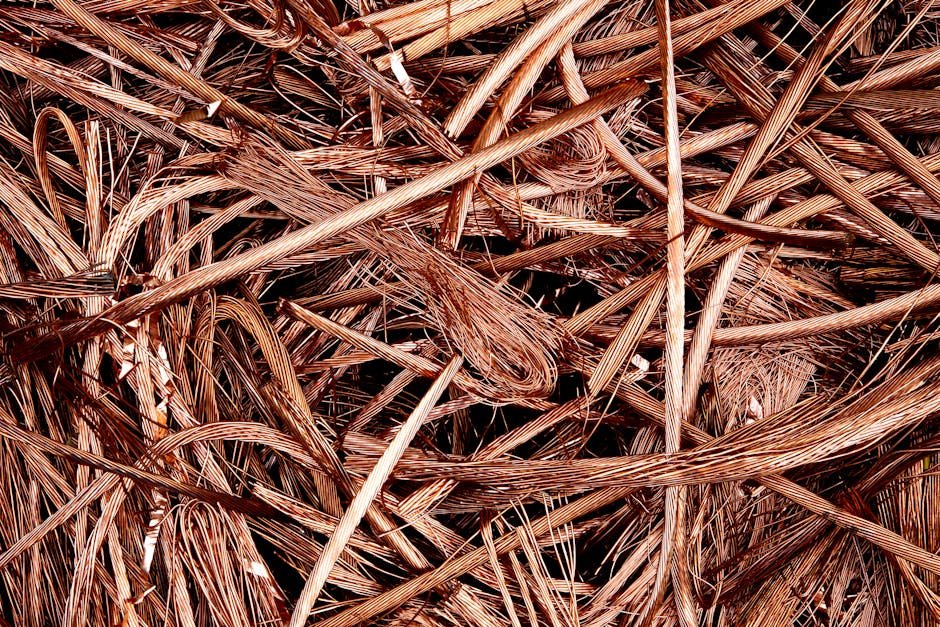

If you are wondering how much is scrap copper worth, you are not alone. As one of the most valuable industrial metals, copper is a cornerstone of the Australian recycling economy. Whether you are a tradesperson clearing out a job site or a homeowner with old plumbing, understanding the nuances of the market is essential to maximizing your returns. In this guide, we explore the factors influencing the copper price per kg, the different grades of material, and how you can participate in a sustainable circular economy.
Understanding the Market: How Much Is Scrap Copper Worth?
The global copper market is volatile, driven by supply chain dynamics, construction demand, and the transition toward green energy. When asking how much is scrap copper worth, it is important to realize that there is no single fixed rate. Instead, scrap yards determine value based on the LME (London Metal Exchange) spot price, adjusted for processing costs and local demand. For those looking for real-time data, checking the scrap copper price today is the best way to ensure you are getting a fair deal. Factors like the volume of your haul, the cleanliness of the material, and your proximity to major processing hubs all play a role. For instance, if you are searching for copper scrap yagoona facilities, you will find that local competition often dictates the specific premiums paid at the gate.
The Hierarchy of Copper: Grading Your Scrap
To get the best price, you must understand how recyclers categorize metal. Not all copper is created equal. The purity of the metal determines the grade, and the grade determines the price.
- Bare Bright Copper: This is the gold standard. It consists of unalloyed, uncoated, and uninsulated copper wire, typically 16 gauge or thicker. It must be free of oxidation and debris.
- Number 1 Copper: This includes clean copper pipe and clippings that are free of solder, paint, or other contaminants. It is slightly less valuable than bare bright but still highly sought after.
- Number 2 Copper: This grade includes copper that has been soldered, contains minor oxidation, or has some impurities. It is the most common type of scrap found in general demolition work.
- Insulated Copper Wire: The value here depends on the ‘recovery rate’—the amount of actual copper hidden inside the plastic coating.
By sorting your materials correctly, you can significantly increase your payout. Many professional traders join a Copper Scrap Group to stay updated on grading standards and market trends.
The Mechanics of Copper Recycling
The process of copper recycling is an industrial marvel that allows metal to be reused indefinitely without losing its physical properties. Once you drop off your Scrap Copper at a facility, the material undergoes a rigorous sorting process. Automated shredders and magnetic separators remove steel and other ferrous metals. Then, the copper is melted in large furnaces. During this stage, impurities are skimmed off the top, and the molten metal is cast into ingots or billets. These are then sold back to manufacturers to create new copper wire, electrical components, or plumbing fixtures. This closed-loop system is why copper is one of the most recycled materials on the planet.
Environmental Benefits of Recycling
Beyond the financial incentive, recycling copper is a vital environmental imperative. Mining for virgin copper is an energy-intensive process that involves massive excavation and chemical leaching, which can devastate local ecosystems. In contrast, recycling copper uses up to 85% less energy than extracting it from ore. By choosing to recycle, you are directly reducing the carbon footprint of the construction and electronics industries. Furthermore, it prevents heavy metals from leaching into landfills, protecting our groundwater and soil quality. As Australia moves toward a more sustainable future, the role of the individual recycler becomes increasingly significant.
Practical Tips for Maximizing Your Returns
If you want to know how much is scrap copper worth in your pocket, you need to be strategic. First, strip your wires. While it takes time, the price difference between insulated wire and clean bare bright is substantial. Second, keep your grades separate. If you mix your #1 and #2 copper, the buyer will likely grade the entire batch at the lower price point. Third, use digital tools to your advantage. Sites like Scrap Copper Prices Near Me allow you to compare local rates before you load up your vehicle. Finally, build a relationship with your local yard. Regulars who bring in clean, well-sorted loads are often rewarded with better pricing and faster service. For those operating on a larger scale, the Scrap Trade platform provides comprehensive resources for professional recyclers.
The Future of the Scrap Industry in Australia
The Australian scrap market is evolving. With the rise of electric vehicles and renewable energy infrastructure, the demand for copper is projected to skyrocket over the next decade. This ‘electrification’ trend means that the scrap copper you collect today will likely be even more valuable in the future. As technology improves, we are seeing more efficient sorting techniques, such as X-ray fluorescence (XRF) analysis, which allows for precise identification of alloy compositions. This ensures that recyclers can capture the maximum value from complex items like circuit boards and high-tech cabling. By engaging with industry leaders at Scrap Trade Australia, you can stay ahead of these technological shifts and ensure your recycling efforts remain profitable and efficient.
Safety and Compliance
When handling scrap, safety must be your priority. Copper edges can be razor-sharp, and old plumbing may contain lead solder or asbestos insulation. Always wear heavy-duty gloves and eye protection. Furthermore, be aware of local regulations regarding the sale of scrap metal. In many Australian states, you are required to provide identification and proof of ownership to prevent the trade of stolen goods. Legitimate scrap yards will always follow these ‘Know Your Customer’ (KYC) protocols. By maintaining ethical practices, you help keep the industry professional and ensure that scrap metal trading remains a respected and viable business for everyone involved.
Conclusion: Turning Waste into Wealth
Recycling copper is more than just a way to make extra cash; it is a contribution to a global effort to preserve our planet’s finite resources. By understanding the different grades, keeping your materials clean, and staying informed about market fluctuations, you can turn what others see as ‘junk’ into a significant revenue stream. Whether you are a weekend warrior or a professional contractor, the principles of successful recycling remain the same: sort, clean, and stay informed. As you continue your journey in the scrap industry, remember that the value of copper is not just in its price, but in its infinite potential to be reborn into the infrastructure of tomorrow.
Frequently Asked Questions
What is the most valuable type of scrap copper?
Bare bright copper is the most valuable because it is pure, unoxidized, and free of insulation or solder. It commands the highest price per kilogram at scrap yards.
Should I strip my copper wire before selling it?
Yes, stripping the plastic insulation from copper wire usually results in a higher payout. The weight of the plastic is removed, and the remaining copper is often classified as a higher, more valuable grade.
Why do scrap copper prices change daily?
Scrap prices are tied to the global commodities market, specifically the London Metal Exchange. Factors like global demand, currency exchange rates, and mining output cause these prices to fluctuate daily.
Do I need ID to sell scrap copper in Australia?
Yes, most Australian states require scrap metal dealers to verify the identity of sellers to prevent the trade of stolen property. Always bring a valid driver’s license or government-issued ID when visiting a yard.