
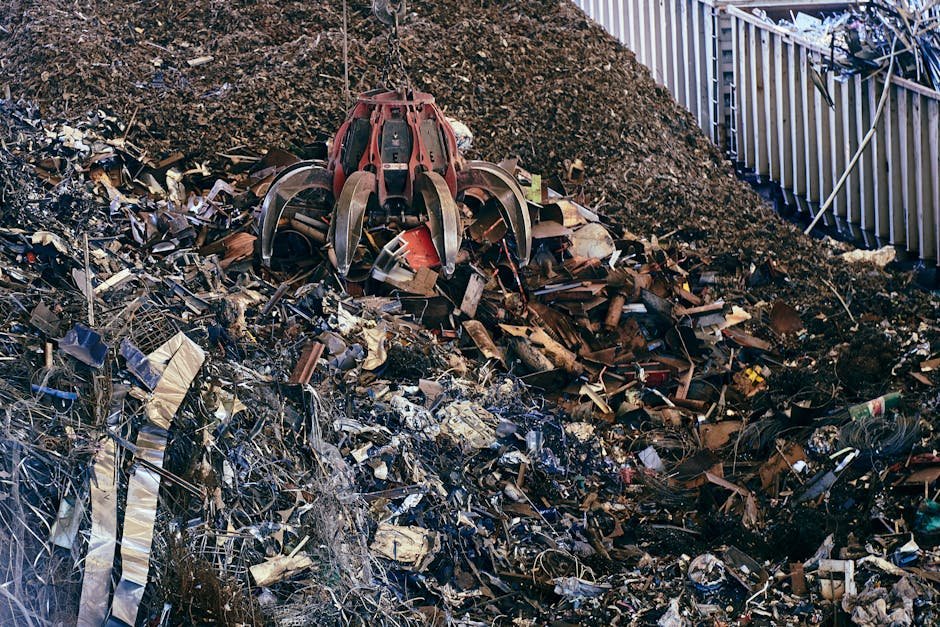

Navigating the landscape of hornsby scrap metal requires a clear understanding of how local markets operate, the classification of various metal grades, and the logistical steps involved in responsible recycling. As industrial growth continues across the Upper North Shore, the demand for efficient metal recovery has never been higher. Whether you are a trade professional clearing a construction site or a resident looking to dispose of household appliances, understanding the value of your materials is the first step toward a sustainable future. If you are looking to Sell Scrap Metal Near Me In 2026, being informed about current market trends is essential for ensuring you receive fair compensation for your salvage.
The Fundamentals of Hornsby Scrap Metal Grades
To effectively participate in the recycling economy, one must first understand how materials are graded. Metal is broadly categorized into two primary types: ferrous and non-ferrous. Ferrous metals contain iron and are magnetic, while non-ferrous metals do not contain iron and are generally more valuable due to their resistance to corrosion and high conductivity.
In the context of hornsby scrap metal, common ferrous items include structural steel, cast iron, and light iron (like old appliances). These are typically sold in bulk. Conversely, non-ferrous metals—such as copper, aluminium, brass, and lead—command higher prices. Copper, in particular, is highly sought after for its use in electrical wiring and plumbing. When you visit a facility for Scrap Metal Recycling Near Me, you will find that the purity of these metals significantly dictates their market value. Contamination, such as plastic insulation on wires or steel bolts attached to aluminium parts, can downgrade the value of your scrap.
Understanding the technical specifications of these grades is critical. For instance, ‘Bright and Shiny’ copper is the highest grade of copper wire, stripped of all insulation. ‘Number 2’ copper, on the other hand, may contain minor impurities. By separating your materials at the source, you ensure that you are maximizing the profit potential of your haul. Always check the latest Scrap Metal Prices before heading to the yard, as these fluctuate based on global commodity markets and local demand in New South Wales.
How the Recycling Process Works
The journey of a piece of scrap metal from a demolition site in Hornsby to a new product is a sophisticated industrial process. It begins with collection and transportation. Once the metal arrives at a processing facility, it undergoes a rigorous inspection and sorting process. Advanced technology, including X-ray fluorescence (XRF) analyzers, is often used to determine the exact chemical composition of the scrap. This ensures that the recycled output meets the strict quality standards required by manufacturers.
After sorting, the metal is shredded or sheared into smaller pieces. Shredding increases the surface-area-to-volume ratio, making it easier to separate ferrous from non-ferrous materials using powerful magnets. Non-ferrous materials are separated using eddy current separators, which use magnetic fields to repel non-ferrous metals from the waste stream. Once cleaned and sorted, the metal is melted down in furnaces. The molten metal is then cast into ingots, which are transported to factories to be rolled into sheets, wires, or structural components. This closed-loop system is the cornerstone of a circular economy, significantly reducing the scrap metal cost associated with raw material extraction.
For those located in nearby regions, the logistics of transport can be a major factor. If you are handling large volumes, you might be looking for services that extend beyond the immediate Hornsby area, perhaps involving scrap metal dural logistics to ensure efficient collection. Professionals often use specialized bins and skip services to streamline this process, ensuring that hazardous materials are separated from recyclable metals from the outset.
The Environmental Benefits of Recycling
The environmental case for recycling hornsby scrap metal is overwhelming. Mining virgin ore is an energy-intensive and ecologically destructive process. It involves massive land disturbance, water contamination, and the release of significant greenhouse gases. By contrast, recycling metal requires a fraction of the energy needed to produce new metal from raw ore. For example, recycling aluminium saves approximately 95% of the energy required to produce the same amount of aluminium from bauxite ore.
Furthermore, recycling reduces the need for landfill space. Metals that are not recycled often end up in landfills, where they can leach heavy metals into the soil and groundwater over time. By diverting these materials into the recycling stream, we preserve the natural beauty of the Hornsby Shire and contribute to a cleaner, more sustainable environment. This local effort has a global impact, as the recycled materials are often traded on international markets, reducing the global reliance on mining.
Beyond energy savings, recycling supports the preservation of biodiversity. Mining operations often occur in sensitive ecosystems; by reducing the demand for raw materials, we indirectly protect these habitats. Choosing a reputable recycler, such as those listed on Scrap Trade, ensures that your waste is processed in compliance with environmental regulations, preventing illegal dumping and promoting responsible waste management practices.
Maximizing Your Returns: Practical Tips for Sellers
To get the most out of your scrap metal, preparation is key. Many sellers make the mistake of bringing mixed loads to the yard. While this is acceptable, it often results in the entire load being paid out at the lowest grade rate. By taking the time to separate your metals, you can significantly increase your payout. Start by separating your ferrous and non-ferrous items into different containers.
Next, focus on cleaning your materials. Remove any non-metallic attachments like plastic, wood, or rubber. While this takes time, the difference in price for ‘clean’ copper versus ‘dirty’ copper is substantial. For those involved in trade work, keeping a clean site is not just about safety; it is about profitability. Use dedicated containers for different types of scrap throughout the project to avoid the hassle of sorting at the end.
Finally, keep an eye on market trends. Metal prices are volatile. If you have a large stockpile, it may be worth waiting for a period of high demand to sell. You can find comprehensive data and insights by visiting Scrap Trade Australia, which provides the tools and information necessary for both casual recyclers and commercial entities to navigate the market effectively. Understanding the ‘when’ is just as important as the ‘what’ and ‘how’ when it comes to scrap metal trading.
Safety and Compliance in Metal Recycling
Safety is the most critical aspect of the scrap metal industry. Handling heavy steel beams, sharp copper edges, or lead piping requires proper personal protective equipment (PPE), including gloves, steel-toed boots, and eye protection. Never attempt to cut or dismantle pressurized containers, as these can be extremely dangerous. If you are unsure about the contents of a scrap item, consult with a professional at a licensed facility before attempting to process it.
Compliance with local regulations is equally important. The NSW Environment Protection Authority (EPA) sets strict guidelines for the handling and storage of scrap metal to prevent pollution. When you choose a professional recycler, you are ensuring that your materials are handled in accordance with these laws. This protects you from potential liability associated with improper waste disposal. Always ask for documentation if you are disposing of large quantities of commercial or industrial waste, as this provides a paper trail that verifies your compliance with environmental standards.
The Future of the Scrap Metal Industry
The industry is currently undergoing a digital transformation. From smart weighing scales that provide instant, accurate data to online platforms that allow users to track prices and schedule collections, technology is making the process more transparent and efficient. As we move toward 2026 and beyond, we expect to see even greater integration of AI in sorting technology, which will further increase the purity of recycled metals and reduce operational costs.
For residents and businesses in Hornsby, this means a more accessible and rewarding recycling experience. The shift toward a circular economy is not just a trend; it is a necessity for a sustainable future. By participating in local recycling programs, you are contributing to a global movement that values resource efficiency and environmental stewardship. Whether you are a small-scale recycler or a large industrial partner, your contribution matters. Stay informed, stay safe, and continue to prioritize the recovery of valuable materials over disposal.
Conclusion: Taking Action Today
Recycling is a simple yet powerful act that benefits both the individual and the community. By understanding the grades of metal, the logistics of the recycling process, and the environmental impact of your choices, you can turn waste into a valuable resource. Hornsby is home to a robust network of recycling professionals ready to help you manage your scrap materials responsibly. Whether you are clearing out a shed or managing a construction site, remember that every kilogram of metal recycled is a step toward a greener Australia.
If you are ready to get started, use the resources provided to check current pricing, identify your metal types, and locate a facility that meets your needs. The path to a more sustainable future is paved with the choices we make today. Let’s work together to keep Hornsby clean and our economy thriving through the power of metal recycling.
Related: Scrap Metal Recycling Near Me
Frequently Asked Questions
What is the most valuable type of scrap metal?
Non-ferrous metals like copper, brass, and aluminium are generally the most valuable. Copper, in particular, often commands the highest price due to its high demand in electrical and plumbing industries.
Do I need to clean my scrap metal before bringing it to a yard?
Yes, cleaning your metal by removing plastic, rubber, or steel attachments significantly increases its value. Clean materials are easier to process and are typically paid at a higher rate than contaminated loads.
How often do scrap metal prices change?
Scrap metal prices are dynamic and can change daily or weekly based on global market conditions, supply and demand, and currency fluctuations. It is recommended to check current rates just before you plan to sell.
Is it legal to scrap any type of metal?
Most metals are legal to recycle, but certain items like pressurized gas cylinders, radioactive materials, or hazardous chemical containers are strictly regulated. Always consult with your local recycling facility if you are unsure about a specific item.