
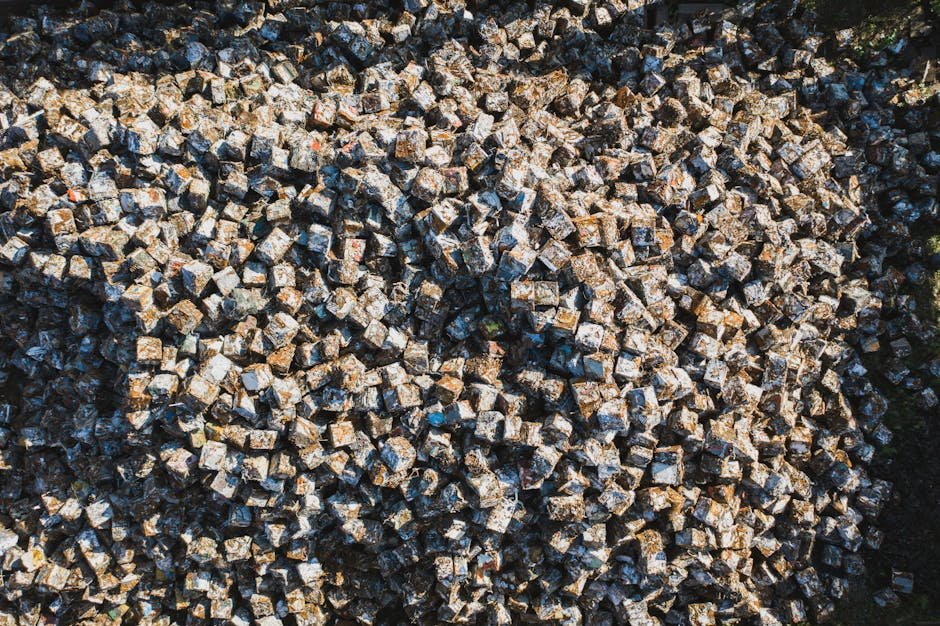

Scrap lead price Sydney is a critical metric for recyclers, manufacturers, and traders in Australia’s New South Wales (NSW) region. As of 2023, the scrap lead price Sydney fluctuates between $5.20 and $6.50 per kilogram, depending on grade, purity, and market conditions. This guide explores pricing mechanisms, recycling processes, environmental benefits, and practical considerations for buyers and sellers in Greater Sydney.
Current Market Value of Scrap Lead in Sydney
The scrap lead price Sydney is determined through real-time trading on domestic and international markets. In 2023, the average price per kilogram in Greater Sydney ranged from $5.50 to $6.00 for clean battery lead, with contaminated materials fetching 10–15% less. Prices per tonne typically range from $5,500 to $6,500, aligning with global benchmarks but adjusted for local logistics and refining costs.
For the latest current scrap prices, traders often reference platforms like scrap.trade, which aggregates data from licensed recyclers and traders across Australia. Prices in Sydney tend to mirror those in Melbourne and Brisbane but may differ due to transportation costs and regional demand disparities in NSW.
How Scrap Lead Prices Are Set
Lead pricing follows a multi-faceted model influenced by:
- Global metal markets: Lead is traded on the London Metal Exchange (LME), with Sydney prices often pegged to the LME’s daily benchmark.
- Refining and processing costs: Smelting, purification, and transportation expenses add to the final price.
- Supply chain dynamics: Battery recycling, industrial overstock, and government regulations on lead usage impact supply.
For example, a surge in electric vehicle battery production can temporarily lower scrap lead price Sydney due to increased raw material availability. Conversely, stricter environmental regulations may reduce supply, driving prices upward.
Key Factors Affecting Scrap Lead Costs
Several variables create volatility in scrap lead price Sydney:
- Grade and purity: Battery lead (98% pure) commands higher prices than contaminated or mixed scrap.
- Geopolitical events: Trade disputes or mining restrictions in countries like China and the US ripple through global markets.
- Seasonal demand: Lead demand spikes during automotive manufacturing cycles or infrastructure projects.
For long-term planning, consult the Scrap Price Forecast Guide to anticipate trends. Short-term fluctuations may require daily monitoring of metal prices today via industry reports or real-time platforms like scraptrade.com.au.
Grades of Scrap Lead and Their Market Value
Lead scrap is categorized by purity, source, and contaminants. Common grades include:
1. Battery Lead (High-Grade)
Extracted from lead-acid batteries, this material is 98% pure and ideal for remanufacturing. Scrap lead price Sydney for battery lead typically ranges from $5.80–$6.20/kg.
2. Lead Oxide and Smelting Dust
Byproducts of smelting processes, these contain 70–90% lead. Prices range from $4.50–$5.00/kg due to higher processing costs.
3. Contaminated or Mixed Lead
Includes lead with zinc, copper, or other metals. This grade sells at a 10–15% discount, with prices between $4.00–$4.50/kg.
How Lead Recycling Works in Australia
Recycling lead in Sydney follows a structured process:
- Collection: Scrap is gathered from automotive workshops, construction sites, and e-waste facilities.
- Sorting and grading: Materials are separated by purity and contaminants using XRF scanners and manual checks.
- Smelting: Lead is melted at high temperatures to remove impurities, producing ingots for resale.
- Refining: Final purification ensures compliance with industry standards for reuse in batteries or alloys.
Recycling reduces reliance on primary mining, conserving energy by up to 60% compared to virgin lead production. For exporters, refer to How To Price Scrap For Export Markets for international shipping and compliance guidelines.
Environmental and Economic Benefits of Lead Recycling
Recycling scrap lead price Sydney offers significant advantages:
- Reduced mining: Recycling 1 tonne of lead saves 1.5 tonnes of ore from being extracted.
- Lower emissions: Lead recycling emits 60% less CO2 than primary production.
- Economic stimulus: NSW’s recycling industry supports over 4,000 jobs and generates $2.5 billion annually.
For businesses, adopting closed-loop systems—where lead from end-of-life batteries is remanufactured—boosts sustainability credentials and reduces costs. The Australian government incentivizes such practices through the National Battery Recycling Initiative.
Practical Tips for Maximizing Scrap Lead Profits
- Source high-grade materials: Prioritize battery lead for optimal returns. Use scrap lead price tools to verify purity.
- Monitor global trends: Track LME prices and geopolitical events impacting scrap lead price Sydney.
- Partner with certified recyclers: Ensure compliance with NSW environmental laws and fair pricing.
- Export strategically: For international markets, optimize logistics and tariffs using How To Price Scrap For Export Markets.
Comparing Lead with Other Metals in NSW
While scrap lead price Sydney is a key focus, other metals also influence local markets:
| Metal | Current Price/kg | Key Applications |
|---|---|---|
| Stainless Steel | $2.50–$3.00 | Construction, appliances |
| Copper | $9.00–$10.50 | Electronics, plumbing |
| Aluminum | $1.80–$2.20 | Transportation, packaging |
For detailed comparisons, see Stainless Steel Scrap Price and related resources.
Future Outlook for Scrap Lead in Greater Sydney
The scrap lead price Sydney is expected to stabilize in 2024 due to increased EV battery demand and regulatory pressures on mining. However, fluctuations may arise from:
- New infrastructure projects boosting construction-led demand.
- Tariff changes affecting imports from China and the US.
- Technological advancements in recycling efficiency.
Stay ahead with the Scrap Price Forecast Guide and local industry reports for actionable insights.
Conclusion
Understanding scrap lead price Sydney requires a blend of market awareness, grade differentiation, and strategic planning. By leveraging real-time data, recycling innovations, and export opportunities, businesses can maximize profitability while contributing to Australia’s circular economy. For the latest market rate and pricing tools, visit scrap.trade and scraptrade.com.au.
Related: lead scrap price
Frequently Asked Questions
What influences the scrap lead price Sydney most significantly?
The scrap lead price Sydney is primarily influenced by global LME benchmarks, refining costs, battery demand, and NSW-specific supply chain factors like transportation and storage.
How do I determine the grade of my lead scrap?
Use X-ray fluorescence (XRF) scanners to test purity or consult certified recyclers. Battery lead (98% pure) fetches the best rates, while contaminated materials sell at a discount.
Is recycling lead more cost-effective than mining?
Yes, recycling lead uses 60% less energy than mining and reduces CO2 emissions by 50–60%. This makes it both economically and environmentally advantageous in NSW.
Where can I find real-time scrap lead prices in Greater Sydney?
Track live scrap lead price Sydney updates through platforms like scrap.trade or contact licensed recyclers in New South Wales for current quotes.