
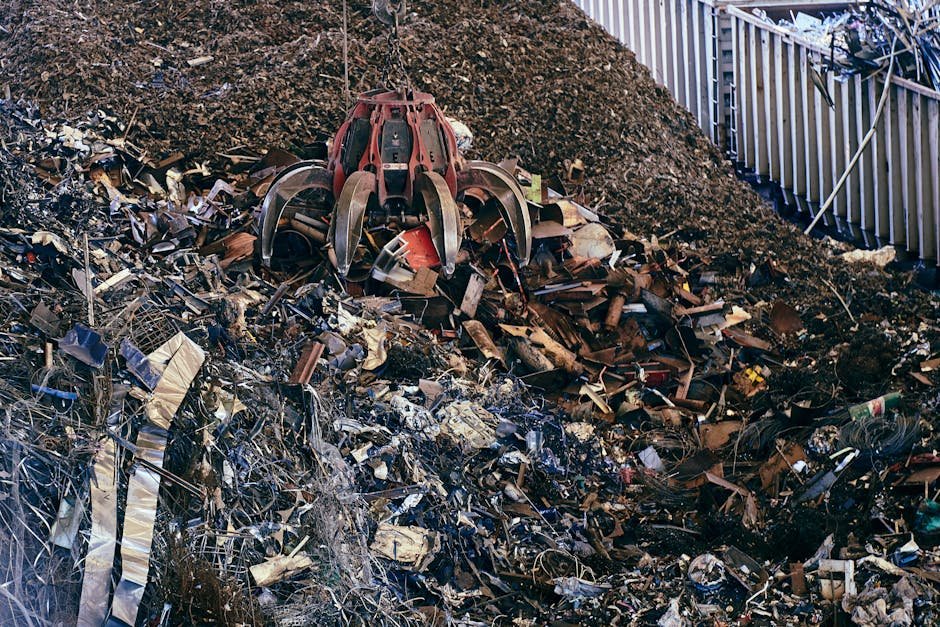

Scrap metal recycling Bankstown plays a crucial role in Australia’s circular economy by transforming discarded materials into valuable resources. This guide explores the types of scrap metals, the recycling process, and the environmental benefits of sustainable practices in Bankstown and beyond.
Understanding Grades of Scrap Metal
Scrap metals are categorized into grades based on composition, purity, and usability. The two primary classifications are ferrous and non-ferrous metals, each with distinct recycling processes and market values:
- Ferrous Metals: Contain iron and are magnetic. Common types include steel, cast iron, and wrought iron. These are widely recycled due to their abundance in construction and manufacturing.
- Non-Ferrous Metals: Non-magnetic and resistant to corrosion. Examples are aluminum, copper, brass, and stainless steel. These metals retain higher value due to their durability and conductivity.
In Bankstown, scrapyards often further classify metals by grade, such as shredded auto (from vehicles), copper wire, and aluminum cans, to streamline processing. For instance, Scrap Metal Recycling Near Me services in Sydney’s western suburbs prioritize separating high-grade copper from electrical wiring, which commands premium prices in global markets.
How Scrap Metal Recycling Works in Bankstown
The recycling process involves four key stages:
- Collection: Households, businesses, and demolition sites generate scrap metal. Many scrap metal pick up Bankstown services offer free pickups for bulk quantities.
- Sorting: Metals are separated using magnets, X-ray fluorescence, and manual inspection. Non-ferrous metals require specialized equipment to identify alloys.
- Shredding/Processing: Metals are cut, compacted, or melted into ingots. For example, aluminum cans are shredded and melted at 660°C, reducing their volume by 95%.
- Reycling: Processed materials are sold to manufacturers for new products, such as construction steel or beverage cans.
Bankstown’s recycling infrastructure benefits from its proximity to Sydney’s industrial zones, enabling efficient logistics for scrap metal trading.
Environmental Benefits of Recycling Scrap Metal
Recycling scrap metal reduces environmental harm in three key areas:
- Energy Conservation: Recycling aluminum saves 95% of the energy required to produce new aluminum from bauxite.
- Resource Preservation: Recycling 1 ton of steel saves 2,500 pounds of iron ore and 1,400 pounds of coal.
- Waste Reduction: Landfills in NSW receive 7.5 million tons of construction waste annually; recycling diverts metals from landfills, reducing methane emissions.
According to the Australian Recycling Industry Council, recycling one ton of copper saves 15 tons of mined material and 100% of its inherent copper content. Bankstown residents can contribute by partnering with local recyclers who adhere to green manufacturing standards.
Practical Tips for Selling Scrap Metal in Bankstown
- Prepare Your Scrap: Clean metals of contaminants like oil or paint. For example, degrease engine parts before selling to avoid lower prices.
- Sort by Grade: Separate ferrous and non-ferrous metals. Use a magnet to distinguish between them.
- Research Market Prices: Check current rates for metals like copper (currently $8.50/kg) and stainless steel ($2.30/kg) via Sell Scrap Metal Near Me In 2026 platforms.
- Choose Reputable Recyclers: Verify that your chosen scrap metal recycling Sydney provider complies with ISO 14001 environmental standards.
For businesses, offering cash-for-scraps promotions or bulk pick-up services can attract residential clients in Bankstown’s growing eco-conscious market.
Scrap Trading vs. Scrap Recycling: Key Differences
Understanding the distinction between Scrap Trading Vs Recycling Business is critical for entrepreneurs:
| Scrap Trading | Scrap Recycling |
|---|---|
| Focuses on buying and reselling raw materials | Processes materials for reuse in manufacturing |
| Higher profit margins on market fluctuations | Stable income from volume processing |
| Less energy-intensive operations | Requires specialized machinery for melting and refining |
Bankstown’s strategic location near Port Botany makes it ideal for both trading and recycling. Traders can export high-grade metals to Asian markets, while recyclers leverage local demand for construction materials.
Why Bankstown is a Hub for Scrap Metal Recycling
Bankstown’s industrial heritage and population density create unique advantages:
- Proximity to Infrastructure: Major highways (M5, M7) and rail lines facilitate fast transport of scrap to processing plants.
- Skilled Workforce: Decades of manufacturing experience ensure expertise in metal classification and processing.
- Government Support: NSW’s Resource Recovery and Waste Policy incentivizes scrap recycling through tax breaks for compliant businesses.
Local initiatives like the Bankstown Circular Economy Program have diverted over 12,000 tons of metal waste annually since 2021.
Future of Scrap Metal Recycling in Australia
Technological advancements are shaping the industry:
- AI-powered sorting systems improve accuracy in separating rare earth metals used in electronics.
- Hydrogen-based smelting reduces CO2 emissions from steel production by 90% (as trialed by BlueScope Steel in Port Kembla).
- Blockchain traceability ensures ethical sourcing for international clients.
As Australian regulations tighten (e.g., 2025 National Waste Policy Action Plan), Bankstown recyclers must adopt digital tools like scrap metal pricing apps to stay competitive.
Conclusion
Scrap metal recycling Bankstown is a vital component of Australia’s transition to sustainable manufacturing. By understanding metal grades, streamlining the recycling process, and embracing eco-friendly practices, individuals and businesses can reduce their carbon footprint while capitalizing on profitable opportunities.
Frequently Asked Questions
What are the most common grades of scrap metal in Bankstown?
Ferrous metals like steel and iron dominate due to construction demand, while non-ferrous metals such as copper and aluminum are prized for their high recycling value.
How can I prepare scrap metal for recycling in Bankstown?
Clean metals of contaminants, sort by type, and contact local recyclers for bulk pick-up services through scrap metal pick up Bankstown.
What environmental benefits does recycling offer in Bankstown?
Recycling conserves energy, reduces mining waste, and lowers greenhouse gas emissions—critical for meeting NSW’s 2030 climate targets.
Is scrap trading more profitable than recycling in Australia?
Trading offers higher margins during market surges, while recycling provides steady income through volume processing—both are viable under Scrap Trading Vs Recycling Business models.