
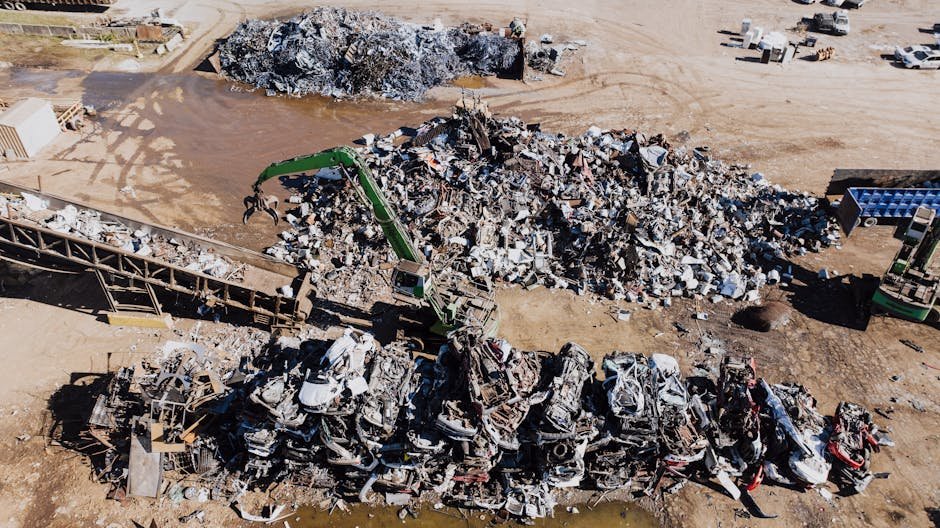

When searching for reliable metal recycling Denham Court solutions, it is essential to understand the broader impact of your scrap contribution on the Australian circular economy. Denham Court, situated in the burgeoning growth corridor of South Western Sydney, is seeing an increase in construction and industrial activity, making efficient waste management more critical than ever. Whether you are a homeowner clearing out a garage or a trade contractor managing site waste, understanding how to effectively manage your scrap is the first step toward sustainability and profit.
The Importance of Metal Recycling in Denham Court
The transition toward a sustainable future in Sydney’s South West relies heavily on the efficiency of local resource recovery. Metal recycling is not merely about clearing space; it is about preserving the finite resources of our planet. By choosing to engage in professional metal recycling Denham Court, you are preventing hazardous materials from entering local ecosystems and reducing the energy-intensive demand for virgin ore mining.
When you recycle, you contribute to a closed-loop system where metals like aluminium and copper can be melted down and repurposed infinitely without losing their structural integrity. This process consumes significantly less energy than refining raw materials. For those looking for local options, searching for Metal Recycling Near Me can help you identify facilities that adhere to the highest environmental standards. By prioritizing certified recyclers, you ensure that your materials are processed according to strict Australian safety and environmental regulations.
How to Identify and Sort Your Scrap Metal
Before you head to a facility to metal recycling Denham Court, sorting your materials is the most effective way to ensure you receive the best market value. Metals are generally categorized into two primary groups: ferrous and non-ferrous. Ferrous metals contain iron and are magnetic, while non-ferrous metals do not contain iron and are generally more valuable.
Common non-ferrous metals include copper, brass, aluminium, and lead. These are highly sought after due to their conductivity and resistance to corrosion. If you are dealing with plumbing or electrical waste, you might be interested in copper recycling denham court, which is often one of the most lucrative streams for scrap traders. Ferrous metals, such as structural steel, iron pipes, and old appliances, are processed in larger volumes. To get started, you can use a magnet to test your items. If the magnet sticks, it is likely ferrous; if it does not, it is non-ferrous.
Properly separating these materials prevents contamination at the recycling facility, which allows the processor to offer better pricing. Always remove non-metallic attachments like plastic casings, rubber seals, or wooden handles. Clean, sorted scrap is always preferred by industry professionals. For those looking for professional guidance, the leading scrap metal trading platform offers comprehensive resources on how to prepare your load for maximum return.
Navigating the Scrap Market: Maximizing Your Return
The scrap metal market is dynamic, with prices fluctuating based on global demand, currency exchange rates, and local industrial needs. To ensure you get the best deal, it is helpful to understand the market trends. If you are ready to sell scrap metal denham court, keep an eye on current commodity prices. High-grade copper and insulated wiring often command the highest prices, while heavy steel requires larger volumes to see significant financial returns.
Many residents often search for Scrap Metal Recycling Near Me to find convenient drop-off points. However, convenience should be balanced with service quality. Look for yards that provide transparent weighing processes and digital scales, as this ensures fairness in the transaction. If you have large quantities of industrial scrap, consider contacting a scrap merchant directly to discuss logistics, such as bin hire or scheduled collection services, which can save you time and transportation costs.
Understanding the Core Metal Recycling principles is vital for any serious scrap trader. This involves knowing the purity levels of your metals and how they are graded. By educating yourself on these basics, you transform from a casual recycler into a savvy participant in the scrap economy. For broader insights into the Australian industry, visit professional scrap metal trading experts who provide industry-wide data and support.
Environmental Benefits and Regulatory Compliance
Beyond the financial incentives, the environmental benefits of proper metal disposal are profound. Mining and refining raw metals is one of the most carbon-intensive industries globally. By recycling, we reduce the need for strip mining, which destroys natural habitats and pollutes water tables. In the context of Denham Court, where urban development is expanding, responsible waste management helps maintain the local environment’s health.
Furthermore, there are strict regulations regarding the disposal of scrap metal in New South Wales. It is illegal to dump scrap metal in general waste bins, and doing so can result in significant fines. By utilizing dedicated metal recycling facilities, you ensure compliance with local council regulations and environmental protection laws. These facilities are equipped with advanced filtration systems to manage the by-products of the recycling process, ensuring that no harmful substances leach into the Denham Court soil or groundwater.
The Future of Metal Recycling in Australia
As Australia moves toward a more circular economy, the technology behind metal recycling is advancing rapidly. Innovations in sensor-based sorting and automated shredding are making the process more efficient than ever. These advancements mean that even complex scrap materials, such as mixed electronics or composite alloys, can now be recovered with high precision.
For the residents of Denham Court, this means that the future of scrap trading is becoming more integrated into daily life. We are seeing more community-focused initiatives that encourage recycling at the source. By participating in these local programs, you are helping to build a more resilient and sustainable community. Whether you are a small business owner or a local resident, staying informed about these technological shifts will help you make better decisions about how you manage your waste materials.
Practical Tips for Safe Handling and Transport
Safety is paramount when handling scrap metal. Many items, particularly from construction sites or old machinery, can have sharp edges, rust, or protruding parts. Always wear heavy-duty gloves, protective eyewear, and sturdy boots when handling scrap. If you are dismantling equipment, ensure you have the correct tools to prevent injury and avoid damaging the materials you intend to recycle.
When transporting scrap, ensure your load is secure. Loose metal can pose a hazard to other drivers on the road. Use heavy-duty tarps to cover your load and secure it with ratchet straps. If you are transporting large quantities, consider using a trailer or a professional collection service. Many recycling yards have specific drop-off zones for different types of metal, so be prepared to follow the site’s safety protocols upon arrival. Checking the site’s requirements before you depart can save you time and ensure a smoother experience.
Economic Impact of Local Recycling Initiatives
The scrap metal industry is a significant contributor to the Australian economy. By processing scrap locally, we create jobs in logistics, processing, and manufacturing. Every tonne of metal that is recycled is a tonne that does not need to be imported or mined from virgin sources. This strengthens our national supply chain and reduces our reliance on international commodity markets.
In regions like Denham Court, supporting local recycling businesses means keeping money within the local economy. When you choose a local facility, you are supporting local employment and infrastructure development. Furthermore, the scrap metal industry provides a vital service to other sectors, such as construction and automotive, by providing high-quality recycled materials at competitive prices. This symbiotic relationship is the backbone of a healthy industrial sector in South Western Sydney.
Common Misconceptions About Scrap Metal
There are many myths surrounding the scrap metal industry. One common misconception is that all metal is the same and that recyclers only care about weight. In reality, quality and purity are the most important factors. Contaminated scrap—such as copper wire with plastic insulation still attached—is worth significantly less than clean, stripped copper. Understanding the difference between these grades is key to maximizing your profit.
Another myth is that recycling is too difficult or time-consuming. With the rise of professional scrap trading platforms, the process has been streamlined for everyone. From finding a yard to understanding current pricing, the information is now more accessible than ever. By taking the time to learn the basics, you can turn what was once considered ‘junk’ into a valuable resource that benefits both your wallet and the planet.
Conclusion: Taking Action in Denham Court
The path to a more sustainable future starts with individual actions. By taking responsibility for your scrap metal, you are contributing to a global effort to conserve resources and reduce waste. Whether you are clearing out a renovation site or simply cleaning up your backyard, your decision to recycle matters. Use the resources available to you, stay informed about market trends, and always prioritize safety and environmental responsibility.
We have explored the essentials of metal recycling Denham Court, from identifying your materials to understanding the economic and environmental impacts of your choices. By utilizing the links provided and engaging with professional recyclers, you can ensure that your scrap metal is handled with the expertise it deserves. Let us continue to work together to keep Denham Court clean, sustainable, and economically vibrant through responsible metal recycling practices.
Frequently Asked Questions
What items are most valuable for metal recycling in Denham Court?
Copper, brass, and aluminium are typically the most valuable metals. High-grade copper wiring and plumbing fixtures often fetch the highest prices at scrap yards.
Do I need to clean my scrap metal before taking it to a yard?
Yes, cleaning your scrap by removing non-metallic parts like plastic, wood, or rubber will increase its value. Clean, sorted metal is much easier for recyclers to process and is therefore more profitable for you.
Is it legal to put scrap metal in my regular household bin?
No, it is generally illegal and environmentally irresponsible to dispose of scrap metal in standard household waste bins. You should always take scrap to a licensed metal recycling facility.
How do I know if my metal is ferrous or non-ferrous?
The easiest way to tell is by using a magnet. If the metal sticks to the magnet, it is ferrous (contains iron, like steel); if it does not stick, it is non-ferrous (like copper or aluminium).