
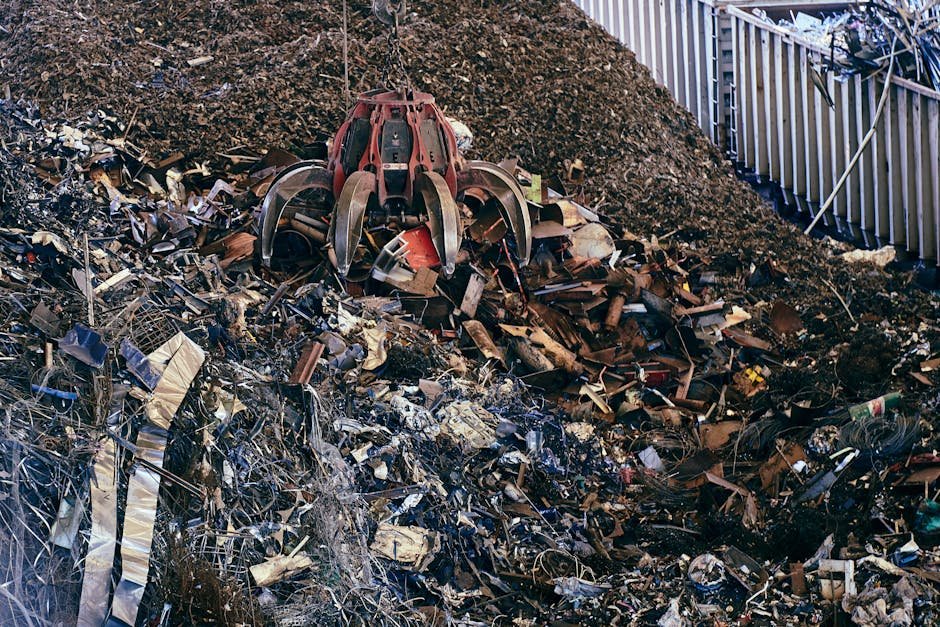

Botany scrap metal plays a vital role in Australia’s circular economy, particularly in the recycling industry. As one of Sydney’s industrial hubs, Botany generates significant volumes of scrap metal from manufacturing, construction, and demolition activities. Understanding the grades of scrap metal, how recycling works, and the environmental benefits of the process can help businesses and individuals in Botany optimize their recycling strategies while contributing to sustainability goals.
Overview of Botany Scrap Metal
Botany, located in southern Sydney, is a key center for industrial activity in New South Wales. The area hosts warehouses, automotive workshops, and fabrication facilities that produce scrap metal as a byproduct. Botany scrap metal encompasses a wide range of materials, including steel, copper, aluminium, and stainless steel, which are categorized into grades based on purity, composition, and usability. These materials are processed at local recycling facilities, which sort, shred, and smelt them into raw materials for new products.
Grades of Scrap Metal in Botany
Scrap metal is classified into distinct grades to determine its value and reusability. In Botany, recyclers work with both ferrous and non-ferrous metals:
- Ferrous Metals: Contain iron and are magnetic. Examples include steel, mild steel, and wrought iron. These are commonly sourced from construction debris, vehicles, and appliances.
- Non-Ferrous Metals: Do not contain iron and are non-magnetic. High-value examples in Botany include copper (from wiring), aluminium (from cans and vehicle parts), and stainless steel (from kitchen appliances).
Grades are further refined by impurities. For instance, scrap metal prices in Botany vary significantly between clean copper wire and mixed copper scraps. Recyclers use advanced sorting technologies like eddy current separators and X-ray fluorescence to categorize materials accurately.
The Scrap Metal Recycling Process in Botany
Recycling scrap metal in Botany involves a multi-step process to ensure efficiency and sustainability:
- Collection: Businesses and residents collect scrap metal, which can be sold at local scrap metal recycling facilities. Many providers offer free pickup for large volumes.
- Sorting: Advanced equipment separates ferrous and non-ferrous metals. Contaminants like plastics or wood are removed to maintain grade integrity.
- Processing: Metals are shredded, baled, or melted. For example, aluminium is melted at 660°C, while steel requires 1,500°C in electric arc furnaces.
- Refining: Impurities are filtered out to produce pure metal ingots or sheets, which are then sold to manufacturers for new products.
Local Botany recyclers adhere to strict environmental regulations, ensuring emissions from smelting are minimized. This process reduces reliance on mining, with Scrap Trade reporting that 70% of global steel production now uses recycled scrap.
Environmental Benefits of Botany Scrap Metal Recycling
Recycling Botany scrap metal delivers substantial environmental advantages:
- Energy Savings: Recycling aluminium uses 95% less energy than producing new aluminium from bauxite ore. Similarly, steel recycling saves 74% of the energy required for virgin production.
- Landfill Reduction: Scrap metal in Botany that is not recycled contributes to landfill overflow. In 2023, NSW landfills received 2.1 million tons of metal waste, but recycling rates have increased by 18% since 2020.
- Resource Conservation: Recycling eliminates the need for mining raw minerals, preserving ecosystems and reducing water pollution from mining runoff.
- Carbon Emissions: According to the Australian Recycling Industry Council, every tonne of recycled steel avoids 1.5 tonnes of CO₂ emissions compared to iron ore processing.
By diverting scrap metal from landfills, Botany residents and businesses help Australia meet its 2030 recycling targets, which aim for a 65% national recycling rate.
Practical Tips for Selling Botany Scrap Metal
Maximize your returns when selling botany scrap metal by following these strategies:
- Clean Materials: Remove contaminants like dirt or non-metallic parts to qualify for higher-grade pricing.
- Check Prices: Use scrap metal price trackers to time your sales when copper or aluminium prices peak.
- Choose Certified Recyclers: Ensure your scrap is processed responsibly by selecting facilities with ISO 14001 certification.
- Prepare for Pickup: Large quantities of scrap metal can be collected by local scrap metal collectors, reducing transportation costs.
For residents in Botany, the sydney scrap metal market is highly competitive, with prices fluctuating based on global demand and supply chains.
Botany Scrap Metal in the Circular Economy
The scrap metal industry in Botany is a cornerstone of Australia’s circular economy model. By recovering and reusing metals, the region reduces its environmental footprint while supporting local manufacturing. For example, recycled steel from Botany is used in construction projects across Sydney Harbour, while aluminium scraps are repurposed into beverage cans and vehicle components. This closed-loop system minimizes waste and ensures resources remain in use indefinitely.
Conclusion: Embracing Sustainability in Botany
Botany scrap metal recycling is not just an industrial activity—it’s a critical step toward a sustainable future. Whether you’re a homeowner with old appliances or a business managing end-of-life machinery, understanding the grades, processes, and benefits of recycling can help you make informed decisions. Partner with reputable recyclers like ScrapTrade to ensure your scrap metal is processed ethically and efficiently. Explore scrap metal near me prices to stay updated on market trends and optimize your recycling efforts.
Frequently Asked Questions
What are the most valuable scrap metal grades in Botany?
Non-ferrous metals like copper and aluminium are the most valuable in Botany. Clean copper wire can fetch $5–$8 per kg, while baled scrap copper ranges from $2–$4 per kg, depending on global market conditions.
How does recycling Botany scrap metal benefit the environment?
Recycling Botany scrap metal reduces landfill waste, conserves natural resources, and lowers greenhouse gas emissions. For example, recycling aluminium saves 95% of the energy required to produce new aluminium from raw materials.
Where can I sell scrap metal in Botany?
You can sell scrap metal in Botany at local recycling centers or through platforms like Sell Scrap Metal Near Me In 2026, which connects you with certified recyclers offering competitive prices.
What are the latest Botany scrap metal prices?
Check scrap metal prices for real-time updates on Botany scrap metal values. Prices fluctuate based on global demand, so it’s wise to monitor trends before selling.