
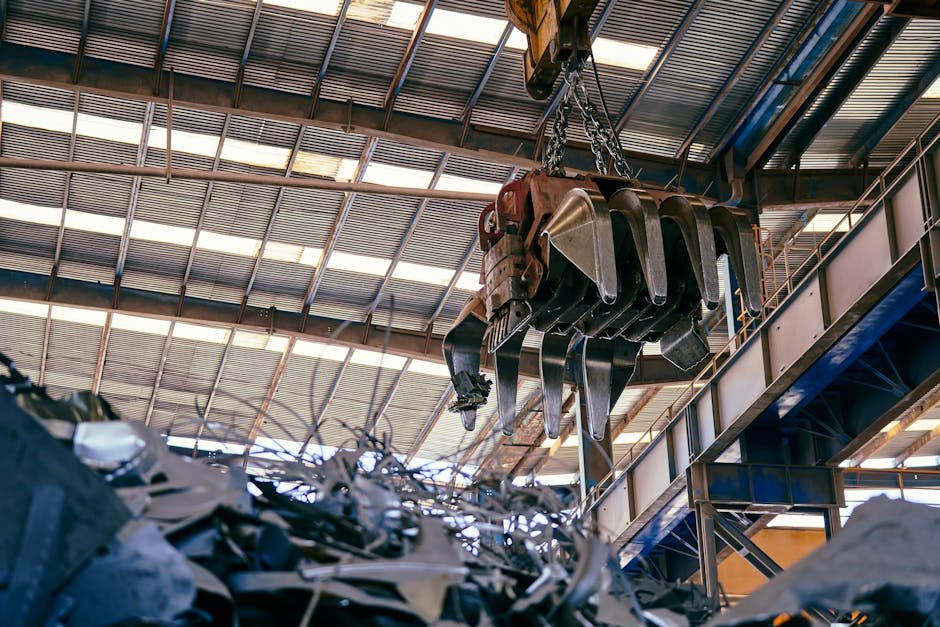

Scrap steel Dural is a critical component of Australia’s circular economy, representing a category of ferrous metal waste derived from industrial, construction, and manufacturing processes. As a key recyclable material, it supports sustainable resource management while reducing reliance on virgin steel production. In this guide, we explore the grades of scrap steel Dural, the recycling process, and its environmental impact, providing actionable insights for businesses and individuals seeking to optimize their scrap operations.
Understanding Scrap Steel Dural: An Overview
Scrap steel Dural encompasses a range of ferrous metal waste, primarily composed of carbon steel alloys. It is commonly sourced from end-of-life vehicles, construction demolition, and industrial machinery. The term “Dural” is often used in the Australian context to refer to scrap metal with high recyclability due to minimal contamination and standardized preparation. This grade of scrap is highly valued by foundries and steel mills for its ability to be melted and reformed into new steel products with minimal energy input.
Grades of Scrap Steel Dural: Classification and Uses
The grading of scrap steel Dural is critical to its market value and application in recycling. Key grades include:
- Heavy Melting Steel (HMS): Clean, uncoated sheet metal and structural steel with low dirt or non-ferrous contamination. Ideal for electric arc furnace (EAF) steelmaking.
- Bundled Scrap: Compact bundles of ferrous metal, often derived from construction waste, which improve transportation efficiency.
- Turnings and Swarf: Fine metal shavings from machining processes, requiring specialized handling to maximize recovery rates.
For a deeper dive into grading standards, refer to Steel Scrap Grading 1 Prepared 2 Prepared Shredded.
The Recycling Process: From Collection to Reuse
Recycling scrap steel Dural involves several stages:
- Collection: Scrap is gathered from industrial sites, demolition projects, and scrap yards.
- Sorting and Processing: Contaminants like plastics, non-ferrous metals, and hazardous materials are removed. For instance, sheet metal is separated from non-recyclable components.
- Baling and Shredding: Scrap is compressed into dense bales or shredded to increase furnace efficiency.
- Melting and Casting: The processed scrap is melted in EAFs, then cast into billets, slabs, or ingots for manufacturing new products.
Recycling one tonne of scrap steel Dural saves approximately 1.5 tonnes of iron ore, 747 kg of coal, and 40–50 kg of limestone. This process reduces CO2 emissions by 58% compared to producing steel from raw materials.
Environmental Benefits of Recycling Scrap Steel Dural
Recycling scrap steel Dural offers substantial environmental advantages:
- Energy Efficiency: Producing steel from scrap requires 60% less energy than primary production methods.
- Resource Conservation: Reduces mining for iron ore and coal, preserving natural ecosystems.
- Waste Reduction: Prevents scrap from entering landfills, where it could leach toxic substances into soil and water.
Australia’s steel industry recycles over 97% of its steel annually, making it one of the world’s most sustainable models. For businesses, leveraging platforms like Scrap Trade ensures efficient scrap logistics and maximizes environmental impact.
Practical Tips for Managing Scrap Steel Dural
Optimize your scrap operations with these strategies:
- Segregate Scrap by Grade: Proper sorting improves market value and recycling efficiency.
- Partner with Certified Recyclers: Choose facilities compliant with ISO 14001 standards to ensure ethical and efficient processing.
- Monitor Steel Price per Tonne: Use market tracking tools to time sales during peak price cycles. Check steel scrap prices for real-time data.
For detailed insights into the economics of scrap trading, visit What Scrap Trade Actually Is.
Market Value and Pricing of Scrap Steel Dural
The value of scrap steel Dural fluctuates based on global steel demand, energy costs, and supply chain dynamics. In 2023, the steel price per tonne in Australia averaged AUD $500–$600, though this varies by grade and region. For example, HMS commands premium prices due to its low contamination levels, while turnings may require additional processing and thus fetch lower rates.
Stainless steel scrap, though distinct from Dural, also plays a role in the market. Track Stainless Steel Scrap Price trends to diversify your revenue streams.
Scrap Steel Dural and Circular Economy in Australia
Australia’s commitment to a circular economy hinges on maximizing scrap reuse. Scrap steel Dural is central to this initiative, with the Australian government setting a target to recycle 80% of all construction and demolition waste by 2030. By prioritizing scrap recovery, businesses can contribute to national sustainability goals while reducing their carbon footprint.
Challenges and Innovations in Scrap Steel Recycling
Despite its benefits, scrap steel Dural recycling faces challenges such as contamination, logistics costs, and fluctuating market prices. Innovations like AI-driven sorting systems and blockchain-based tracking are emerging to address these issues. Platforms like ScrapTrade integrate these technologies to streamline operations and enhance transparency.
Conclusion: Embracing Scrap Steel Dural for a Sustainable Future
Scrap steel Dural is more than a recyclable material—it is a cornerstone of Australia’s transition to a low-carbon economy. By understanding its grades, recycling processes, and market value, stakeholders can unlock economic and environmental benefits. Whether you are a business managing industrial waste or an individual interested in sustainable practices, leveraging scrap steel Dural is a step toward a greener future.
FAQs
What are the main grades of scrap steel Dural?
Common grades include Heavy Melting Steel (HMS), bundled scrap, and turnings/swarf, each suited for specific recycling applications.
How does recycling scrap steel Dural benefit the environment?
Recycling reduces energy consumption by 60%, conserves natural resources, and cuts CO2 emissions by 58% compared to producing steel from raw materials.
What factors influence the steel price per tonne in Australia?
Prices are affected by global demand, energy costs, supply chain disruptions, and the grade of scrap. Monitor steel scrap prices for real-time updates.
How can businesses optimize scrap steel Dural collection?
Segregate scrap by grade, partner with certified recyclers, and use market analytics to time sales strategically for maximum profitability and sustainability.
Related: scrap metal dural
Frequently Asked Questions
What are the main grades of scrap steel Dural?
Common grades include Heavy Melting Steel (HMS), bundled scrap, and turnings/swarf, each suited for specific recycling applications.
How does recycling scrap steel Dural benefit the environment?
Recycling reduces energy consumption by 60%, conserves natural resources, and cuts CO2 emissions by 58% compared to producing steel from raw materials.
What factors influence the steel price per tonne in Australia?
Prices are affected by global demand, energy costs, supply chain disruptions, and the grade of scrap. Monitor steel scrap prices for real-time updates.
How can businesses optimize scrap steel Dural collection?
Segregate scrap by grade, partner with certified recyclers, and use market analytics to time sales strategically for maximum profitability and sustainability.