
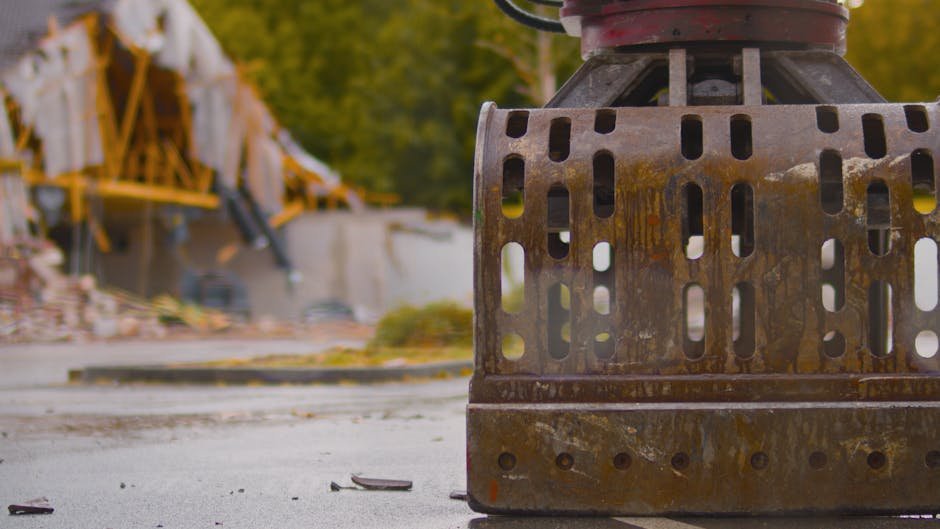

Demolition Toongabbie is a critical process for repurposing materials from decommissioned buildings, infrastructure, and industrial sites. As a hub for demolition toongabbie projects, Toongabbie offers opportunities to recover valuable metals like structural steel, copper wiring, and aluminum components. This guide explores the logistics, benefits, and best practices for integrating demolition Toongabbie into sustainable recycling efforts, with insights into working with platforms like ScrapTrade for seamless material recovery.
Understanding Demolition Toongabbie: Key Concepts and Objectives
Demolition toongabbie refers to the systematic dismantling of structures in Toongabbie to extract reusable materials. This process is vital for reducing landfill waste and supporting the circular economy. Demolition projects in Toongabbie often target commercial buildings, residential complexes, and industrial facilities. The primary objectives include:
- Resource Recovery: Extracting metals like steel, copper, and aluminum for reuse.
- Environmental Compliance: Minimizing ecological impact through regulated waste management.
- Cost Efficiency: Selling scrap metal to platforms like “Buy Structural Steel Scrap From Demolition In 2026” to offset project expenses.
Types of Materials Recovered in Demolition Toongabbie
Demolition toongabbie projects yield a diverse range of materials, each with distinct recycling pathways. Key categories include:
1. Structural Steel
Steel forms the backbone of most buildings. During demolition toongabbie, structural steel frameworks are cut into manageable sections. These can be sold to platforms like “Buy Structural Steel Scrap From Demolition In 2026”, where they are processed into raw materials for construction and manufacturing.
2. Copper Wiring and Piping
Copper is highly valuable in demolition toongabbie. Electrical wiring, plumbing pipes, and HVAC systems are common sources. Selling copper to “Sell Demolition Copper Scrap Building Wire Pipe” ensures maximum returns, as copper retains high market value due to its conductivity and durability.
3. Aluminum Components
Aluminum from window frames, roofing, and cladding is another key material. Platforms like “Sell Aluminum Window Frame Scrap Building Demolition In 2026” specialize in handling aluminum from demolition toongabbie sites, offering competitive pricing for clean, sorted scrap.
Steps to Execute a Successful Demolition Toongabbie Project
Effective demolition toongabbie requires planning, execution, and compliance. Here’s a step-by-step breakdown:
- Assessment and Permitting: Conduct a site survey to identify materials and obtain permits from local authorities.
- Material Sorting: Separate metals (e.g., steel, copper) from non-metallic waste for efficient recycling.
- Partnering with Buyers: Collaborate with trusted platforms like Scrap Trade to ensure fair pricing and timely pickup.
- Documentation: Maintain records of transactions and compliance with environmental regulations.
Challenges and Solutions in Demolition Toongabbie
While demolition toongabbie offers economic and environmental benefits, it also presents challenges:
- Contaminants: Mixed materials can reduce scrap value. Solution: Invest in advanced sorting technologies.
- Regulatory Hurdles: Complex compliance requirements. Solution: Partner with legal experts to streamline permits.
- Market Fluctuations: Scrap prices vary. Solution: Lock in contracts with buyers like “demolition scrap buyer” for price stability.
Environmental Impact of Demolition Toongabbie
Demolition toongabbie plays a pivotal role in sustainability. Recycling metals reduces the need for mining, conserving natural resources and lowering carbon emissions. For example, recycling steel saves 60% of the energy required to produce new steel. Platforms like “demolition kings langley” highlight similar initiatives in other regions, proving the global relevance of responsible demolition practices.
Working with Scrap Trade for Demolition Toongabbie Projects
Scrap Trade is a leading partner for demolition toongabbie operations in Australia. By leveraging their network of buyers and logistics experts, you can:
- Maximize profits with transparent pricing for steel, copper, and aluminum.
- Ensure compliance with Australian environmental standards.
- Access real-time market insights to optimize timing for scrap sales.
Conclusion: Embracing Demolition Toongabbie as a Sustainable Practice
Demolition toongabbie is more than a construction activity—it’s a cornerstone of sustainable resource management. By partnering with platforms like ScrapTrade and following best practices, businesses can turn demolition projects into profitable ventures while reducing environmental footprints. Whether you’re extracting steel beams or copper pipes, demolition toongabbie ensures materials are given new life, aligning economic and ecological goals.
FAQs
What permits are required for demolition toongabbie?
Permits from local councils and environmental agencies are mandatory. Consult a legal expert to ensure compliance with Australian regulations.
How to price scrap metal from demolition toongabbie?
Prices depend on metal type, purity, and market demand. Use platforms like Scrap Trade for up-to-date pricing data.
Can I sell mixed scrap from demolition toongabbie?
Yes, but sorted materials like copper or aluminum fetch higher prices. Segregate scrap for maximum returns.
What are the environmental benefits of demolition toongabbie?
Recycling metals reduces landfill use, conserves resources, and lowers greenhouse gas emissions from mining.
Frequently Asked Questions
What permits are required for demolition toongabbie?
Permits from local councils and environmental agencies are mandatory. Consult a legal expert to ensure compliance with Australian regulations.
How to price scrap metal from demolition toongabbie?
Prices depend on metal type, purity, and market demand. Use platforms like Scrap Trade for up-to-date pricing data.
Can I sell mixed scrap from demolition toongabbie?
Yes, but sorted materials like copper or aluminum fetch higher prices. Segregate scrap for maximum returns.
What are the environmental benefits of demolition toongabbie?
Recycling metals reduces landfill use, conserves resources, and lowers greenhouse gas emissions from mining.