
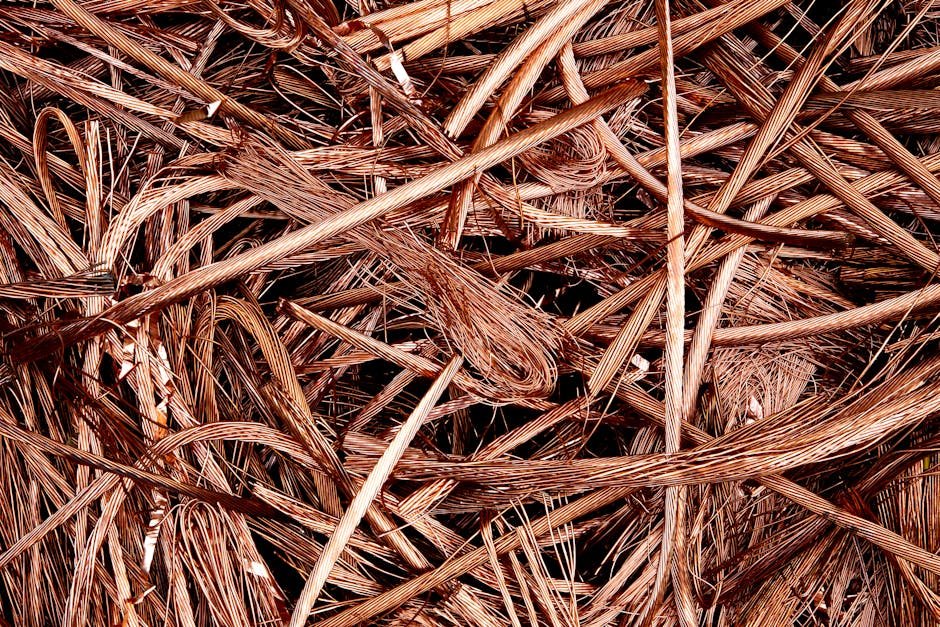

The scrap copper price per kg is a dynamic metric shaped by global supply chains, industrial demand, and recycling efficiency. In Australia, traders and recyclers must stay informed about fluctuating scrap copper values to maximize profits and sustainability. This guide provides an in-depth analysis of pricing mechanisms, grading systems, and the environmental impact of copper recycling.
Understanding the Scrap Copper Market
As of 2024, the scrap copper price per kg in Australia ranges between $12 and $18, depending on the grade and purity of the material. This variance reflects the economic value of different copper derivatives, from bare bright copper to number 2 copper. The price per tonne, which is another common metric, fluctuates between $12,000 and $18,000, making it essential for traders to track scrap copper price trends regularly.
Factors Influencing Scrap Copper Prices
- Global Demand: Industrial growth in construction, electronics, and renewable energy sectors drives demand. For example, the rise of electric vehicles increases the need for copper wiring.
- Supply Chain Dynamics: Mining output, geopolitical issues, and recycling rates impact availability. Australia’s own copper mines contribute to domestic and international supply.
- Exchange Rates and Inflation: The Australian dollar’s value against the US dollar affects import/export costs, which influence pricing.
- Grade and Purity: Bare bright copper commands higher prices than oxidized copper due to its recyclability and efficiency in refining processes.
Grades of Scrap Copper and Their Value
Scrap copper is categorized into distinct grades, each with specific pricing metrics. Understanding these classifications helps traders optimize their returns:
Bare Bright Copper
This is the highest-grade scrap, typically sourced from copper wire stripped of insulation. It has minimal oxidation and fetches up to $18 per kg. Applications include electrical wiring and high-conductivity components.
Number 2 Copper
Includes scrap copper with some oxidation, such as used copper pipe or wiring with minor corrosion. Priced between $12–$15 per kg, this grade is commonly recycled for industrial components.
Heavy Wall Copper
Derived from plumbing copper pipe, this grade offers high scrap value due to its thickness and durability. Prices range from $14–$16 per kg.
Downgraded Copper
Oxidized or contaminated copper, such as from old radiators, sells for $8–$12 per kg. Proper cleaning can elevate its value.
The Copper Recycling Process
Copper recycling involves several stages to transform scrap into reusable material:
- Collection and Sorting: Materials are categorized by grade and purity to determine their scrap copper price per kg.
- Shredding and Cleaning: Insulation and contaminants are removed, especially from copper wire and other metals.
- Smelting and Refining: Melted copper is purified to create ingots for industrial use, reducing the need for mining.
Environmental Benefits of Recycling Copper
Recycling copper reduces energy consumption by 85% compared to mining virgin ore. Key benefits include:
- Resource Conservation: Reusing copper minimizes the depletion of finite ore reserves.
- Lower Carbon Emissions: Recycling produces 30% less CO2 than primary production methods.
- Waste Reduction: Prevents copper from ending up in landfills, where it can leach toxic compounds.
How to Maximize Your Scrap Copper Profits
To capitalize on current scrap prices, consider these strategies:
- Proper Grading: Separate materials into correct grades (e.g., bare bright vs. number 2 copper) to ensure accurate pricing.
- Cleaning Materials: Remove debris and insulation to qualify for higher-grade pricing.
- Track Market Trends: Use tools like Scrap Trade to monitor metal prices today and sell at peak times.
- Batch Sales: Accumulate larger quantities to negotiate better rates, particularly for price per tonne deals.
Future Outlook for Scrap Copper Pricing
With the global push for renewable energy and electric vehicles, demand for copper is projected to grow by 3.5% annually. This trend will likely stabilize scrap copper price per kg while reducing reliance on imported materials. However, environmental regulations and supply chain disruptions may cause short-term volatility.
Practical Tips for Traders and Recyclers
For those in Australia, here are actionable steps to navigate the market:
- Verify Grades: Use a magnet and visual inspection to distinguish copper from other metals like aluminum scrap.
- Build Relationships: Partner with local recycling centers for consistent pricing and bulk discounts.
- Stay Informed: Subscribe to market updates on Scrap Trade for real-time price of scrap copper per kg.
Conclusion
The scrap copper price per kg is a critical metric for Australian traders, influenced by global demand, material quality, and environmental policies. By understanding grading systems, recycling processes, and market trends, businesses can optimize profitability while contributing to sustainability. For the latest rates and tools, visit Scrap Trade and Scrap Trade Australia to stay ahead in this competitive sector.
Frequently Asked Questions
What is the current scrap copper price per kg in Australia?
As of 2024, the scrap copper price per kg in Australia ranges from $12 to $18, depending on the grade and purity. Visit https://scrap.trade/scrap-copper-prices-near-me/ for real-time updates.
How are scrap copper grades determined?
Scrap copper is graded based on purity and condition, with categories like bare bright copper (highest value) and number 2 copper (lower value). Proper sorting maximizes your returns.
Why is copper recycling important for the environment?
Copper recycling reduces energy use by 85% compared to mining, lowers carbon emissions, and prevents waste. It also conserves finite natural resources.
Where can I find the latest metal prices today?
Check real-time scrap copper prices and other metal values at https://scrap.trade/understanding-the-price-of-scrap-copper-a-comprehensive-guide/ or use the Scrap Trade platform for up-to-date market data.