
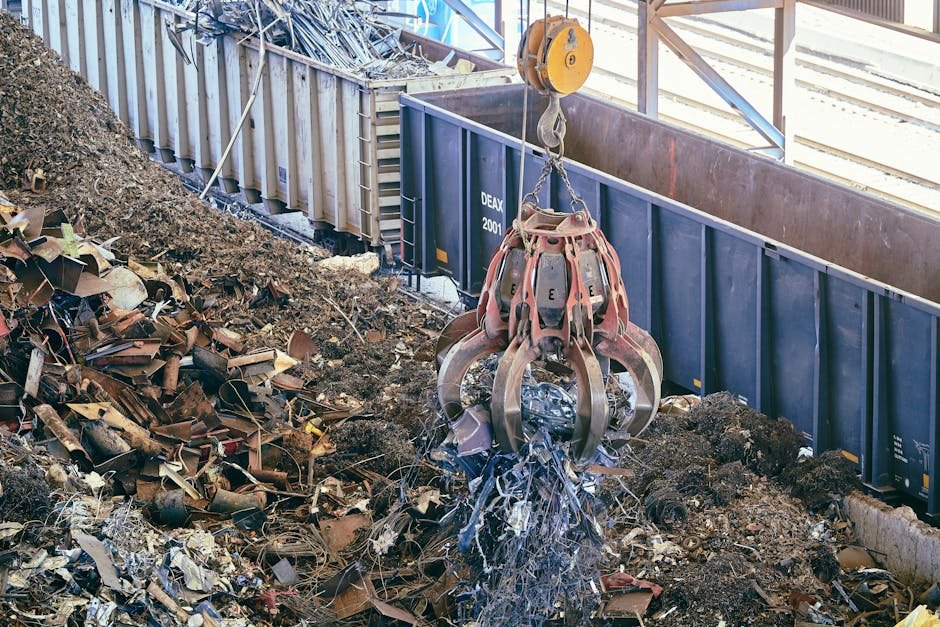

Scrap iron prices play a critical role in Australia’s recycling and manufacturing sectors. As a vital component of the ferrous scrap market, iron recycling supports sustainable practices while providing economic opportunities for traders. Understanding current scrap iron prices, pricing mechanisms, and recycling processes is essential for businesses and individuals involved in metal trading. This guide explores everything you need to know about iron price per kg, the factors shaping market values, and the environmental impact of recycling.
Introduction to Scrap Iron and Its Market Significance
Scrap iron, a subset of ferrous scrap, is one of the most recycled materials globally. It includes discarded items like steel beams, automotive parts, and industrial machinery. In Australia, the demand for scrap iron is driven by the construction, automotive, and steel manufacturing industries. The iron price per kg fluctuates based on supply chains, global economic conditions, and environmental policies. Staying informed about Scrap Metal Prices ensures traders can capitalize on market trends.
Current Market Value of Scrap Iron: Price Per Kg and Per Tonne
As of Q3 2024, scrap iron prices in Australia range between $0.20 and $0.40 per kg, translating to $200 to $400 per tonne for clean, unprocessed ferrous scrap. These values vary by region and grade. For example, Scrap Metal Prices Near Me shows localized differences due to transportation costs and local demand. Cast iron and wrought iron typically command higher prices than mixed scrap due to purity and usability.
Real-time Scrap Prices can be accessed via platforms like Scrap Trade, which aggregates data from suppliers and recyclers. Monitoring these fluctuations is essential for maximizing profitability in scrap trading.
How Scrap Iron Prices Are Determined: A Comprehensive Overview
The pricing of scrap iron is influenced by a complex interplay of factors. Here’s a breakdown of the key determinants:
- Global Steel Demand: Steel production drives demand for scrap iron. Australia exports significant quantities of ferrous scrap to Asian markets, where steel mills rely on recycled materials.
- Raw Material Costs: Prices for iron ore and coking coal affect the economics of producing new steel, which in turn impacts scrap iron valuation.
- Logistics and Processing: Costs associated with sorting, transporting, and grading scrap iron reduce net prices for sellers.
- Government Policies: Environmental regulations and import/export tariffs shape market dynamics.
Traders should consult steel scrap prices to compare trends across different metal categories.
Factors Influencing Scrap Iron Pricing in Australia
Australian scrap iron markets are subject to both local and international pressures. Key factors include:
1. Seasonal Variations
Construction activity peaks during warmer months, increasing demand for steel and, consequently, scrap iron prices. Winter months often see a slowdown.
2. Infrastructure Projects
Government investments in roads, railways, and energy infrastructure boost demand for recycled iron. For example, the Inland Rail project in NSW generated significant ferrous scrap volumes in 2023.
3. Exchange Rates
Australian dollars against USD and CNY influence export competitiveness. A weaker AUD makes Australian scrap cheaper for overseas buyers, increasing prices.
4. Environmental Regulations
Strict recycling laws mandate higher recovery rates, pushing recyclers to invest in sorting technology and affecting price per kg.
Grades of Scrap Iron: Types, Uses, and Their Impact on Pricing
Scrap iron is categorized into grades based on purity, form, and origin. Common types include:
- Heavy Melting Scrap (HMS): Clean, large pieces like steel plates and beams. Commands the highest price per kg due to ease of processing.
- Shredded Steel: Mixed scrap broken down by machinery. Lower iron price per kg due to contamination risks.
- Structural Steel: Used for construction. High demand keeps prices elevated.
- Cast Iron: Often from engine blocks or pipes. Valued for its carbon content in steelmaking.
Proper grading ensures optimal scrap iron prices. Recyclers use magnet tests and chemical analysis to classify materials accurately.
The Recycling Process of Scrap Iron: From Collection to Reuse
Recycling scrap iron involves several stages:
- Collection: Scrap is gathered from demolition sites, factories, and households.
- Sorting: Ferrous materials are separated using magnets. Non-ferrous metals are removed for separate processing.
- Shredding: Large items are shredded to increase surface area for melting.
- Melting: Scrap is melted in electric arc furnaces to produce molten steel.
- Refining: Impurities are removed, and alloys are added to create new steel products.
This process reduces energy consumption by 60% compared to mining iron ore, making it vital for sustainable manufacturing.
Environmental and Economic Benefits of Scrap Iron Recycling
Recycling scrap iron offers significant advantages:
- Reduced Mining: Saves 1.5 tons of iron ore and 0.5 tons of coal per tonne of recycled steel.
- Lower Emissions: Cuts CO2 emissions by 58% compared to primary steel production.
- Job Creation: The Australian recycling industry employs over 40,000 people.
- Resource Efficiency: 98% of steel in Australia is recycled, the highest rate among OECD countries.
Businesses can leverage these benefits by partnering with certified recyclers like Scraptrade, which prioritizes eco-friendly practices.
Practical Tips for Scrap Iron Traders
Maximize profitability by following these strategies:
- Monitor Scrap Metal Prices daily: Use platforms like Scrap Trade to track trends and negotiate better deals.
- Invest in Grading Tools: Accurate classification of scrap iron ensures higher price per tonne.
- Build Relationships with Suppliers: Long-term partnerships with construction sites and demolition companies secure steady supply.
- Optimize Logistics: Reduce costs by using bulk transport and regional processing hubs.
Staying agile in the face of scrap iron prices fluctuations is key to long-term success in this sector.
Conclusion: Navigating the Scrap Iron Market in Australia
Understanding scrap iron prices and their determinants is essential for traders, recyclers, and manufacturers. With global demand for steel expected to grow by 3% annually until 2030, the Australian ferrous scrap market presents lucrative opportunities. By leveraging real-time Scrap Prices, investing in grading infrastructure, and adhering to environmental standards, businesses can thrive in this evolving industry. Visit Scraptrade for tailored solutions and expert guidance.
Frequently Asked Questions
What is the current price of scrap iron per kg in Australia?
As of Q3 2024, the average scrap iron price per kg in Australia ranges from $0.20 to $0.40, depending on the grade and location. Clean, high-quality ferrous scrap typically commands higher prices.
How do global markets affect Australian scrap iron prices?
Global steel demand, particularly from Asia, heavily influences Australian scrap iron prices. Exchange rates, shipping costs, and international trade policies also play significant roles in price fluctuations.
Why is cast iron more valuable than other scrap types?
Cast iron is prized for its high carbon content and durability in steelmaking. Its purity and usability in specialized applications make it more valuable than mixed or contaminated scrap.
What are the environmental benefits of recycling scrap iron?
Recycling scrap iron reduces mining, saves energy (58% less CO2 emissions), and conserves resources. It also minimizes landfill waste, aligning with Australia’s sustainability goals.