
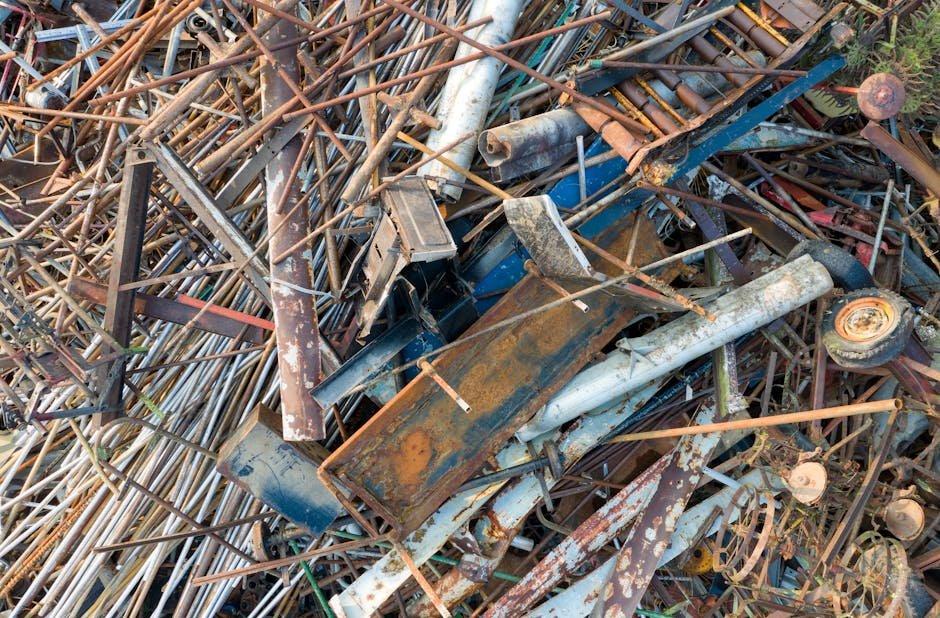

Understanding how much is scrap metal worth is essential for maximizing value from metal waste. In Australia, scrap metal trading and recycling are vital for both economic and environmental sustainability. Scrap metal values vary significantly based on the type, grade, and market conditions, making it crucial to understand the factors that influence pricing. This guide breaks down the grades of scrap metal, explains the recycling process, highlights environmental benefits, and provides actionable tips for selling scrap metal effectively.
Grades of Scrap Metal and Their Market Value
Scrap metal is categorized into grades based on its composition, purity, and usability in recycling. The two primary categories are ferrous and non-ferrous metals, each with distinct subtypes.
Ferrous Metals
- Steel and Iron: These are magnetic metals often used in construction and heavy machinery. They are the most common scrap types but have lower value (how much for metal scrap) due to their abundance.
- Cast Iron: Found in engine blocks and pipes, it contains carbon and is valued for foundry applications.
Non-Ferrous Metals
- Copper: High demand in electrical wiring and plumbing. How much is scrap copper worth depends on global commodity prices.
- Aluminum: Lightweight and energy-efficient to recycle. Common in beverage cans and automotive parts.
- Brass and Bronze: Used in plumbing fixtures and musical instruments. Brass contains copper and zinc, affecting its price.
How Recycling Works in the Scrap Metal Industry
Recycling scrap metal is a multi-step process designed to recover raw materials efficiently:
- Collection: Scrap metal is gathered from industrial sites, demolition projects, and households.
- Sorting: Metals are separated into ferrous and non-ferrous categories using magnets and optical scanners.
- Processing: Metal is shredded, melted, and refined to remove contaminants for reuse.
- Reusing: Recycled metal is repurposed into new products, reducing the need for virgin materials.
Platforms like Scrap Trade streamline this process by connecting sellers with certified recyclers.
Environmental Benefits of Scrap Metal Recycling
Recycling scrap metal offers significant environmental advantages:
- Energy Savings: Recycling aluminum uses 95% less energy than producing new aluminum.
- Resource Conservation: Recycling reduces the need for mining and drilling, preserving natural habitats.
- Lower Emissions: Recycling steel cuts carbon emissions by 60% compared to traditional production methods.
According to the Australian Waste Management Association, the scrap metal industry prevents millions of tons of waste from entering landfills annually.
Factors Affecting Scrap Metal Prices
Scrap metal prices fluctuate based on several factors:
- Global Demand: Prices for non-ferrous metals like copper are influenced by international markets.
- Local Supply: Sudden increases in supply, such as from demolition projects, can lower prices.
- Purity: Contaminated scrap (e.g., mixed metals or non-metal debris) fetches lower prices.
- Transport Costs: Remote locations may see higher prices due to logistics challenges.
To stay informed, check Scrap Metal Prices for real-time data. For example, how much for metal scrap can vary by 15–20% annually depending on these factors.
Practical Tips for Maximizing Scrap Metal Value
Maximize your returns by following these strategies:
- Sort and Clean Scrap: Separate metals into categories and remove non-metal components to increase purity.
- Choose Reputable Recyclers: Use certified platforms like Scrap Metal Recycling Near Me to ensure fair pricing.
- Monitor Market Trends: Sell during peak demand periods for non-ferrous metals like copper and aluminum.
- Prepare Materials: Crush large items and bundle smaller ones for easier processing.
For quick sales, use Sell Scrap Metal Near Me In 2026 to find nearby buyers.
Future of Scrap Metal Recycling in Australia
Advancements in technology and sustainability goals are reshaping the industry. Australia aims to achieve a 60% recycling rate by 2026, with scrapping metal playing a key role. Innovations like AI-driven sorting and electric arc furnaces are improving efficiency, while government incentives encourage businesses to adopt circular economy practices. The future of how much is scrap metal worth will likely see increased value as demand for recycled materials grows.
Conclusion
Determining how much is scrap metal worth requires understanding grades, recycling processes, and market dynamics. By leveraging platforms like Scrap Trade, staying informed on Scrap Metal Prices, and following best practices, you can maximize your returns while contributing to environmental sustainability. Whether you’re a homeowner with old appliances or an industrial business with bulk scrap, recycling is both profitable and planet-friendly.
Related: Sell Scrap Metal Near Me In 2026
Related: Scrap Metal Recycling Near Me
Related: Scrap Metal Prices
Frequently Asked Questions
What factors determine the value of scrap metal?
Scrap metal value depends on its type (ferrous vs. non-ferrous), purity, market demand, and location. Non-ferrous metals like copper and aluminum typically fetch higher prices than ferrous metals like steel.
How can I identify the grade of scrap metal I have?
Use a magnet to test for ferrous metals. For non-ferrous metals, visual inspection (color, texture) and weight can help identify types like copper or aluminum.
Why is recycling scrap metal beneficial for the environment?
Recycling saves energy, reduces mining, and lowers greenhouse gas emissions. For example, recycling aluminum uses 95% less energy than producing new aluminum from bauxite.
Where can I sell scrap metal in Australia?
Use platforms like Scrap Metal Recycling Near Me to find certified recyclers offering competitive prices based on current Scrap Metal Prices.