
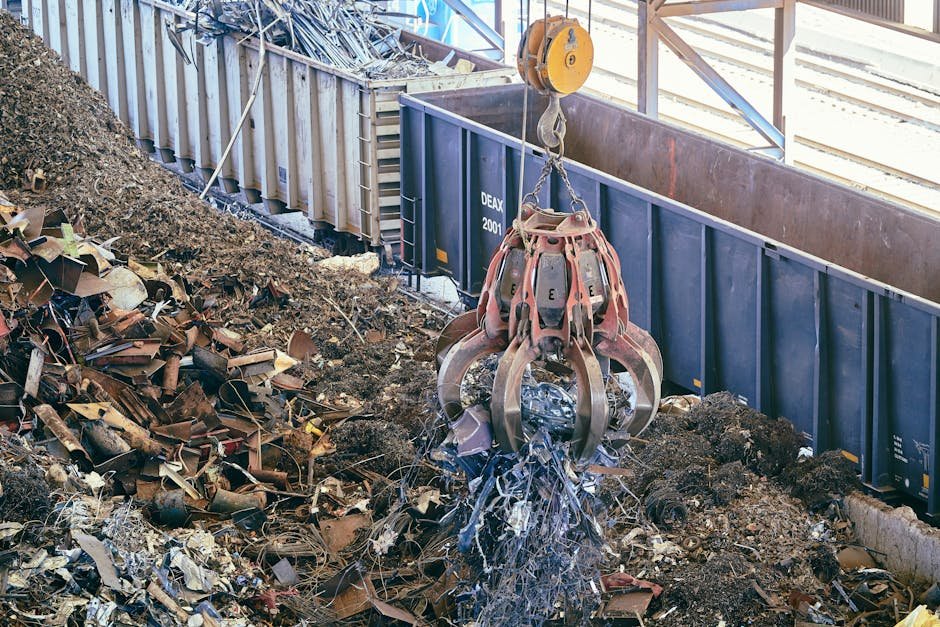

The current price of scrap metal is a dynamic factor in Australia’s recycling and trading industry. With metal prices today influenced by global markets, local supply chains, and environmental policies, understanding the current price of scrap metal is essential for traders, recyclers, and industries reliant on raw materials. This guide breaks down current pricing trends, how prices are determined, and the environmental and economic value of scrap metal recycling.
Understanding the Current Market Value of Scrap Metal
As of 2026, the current price of scrap metal in Australia is shaped by a combination of international demand, local production, and government regulations. Key metals like iron, copper, aluminium, and stainless steel are traded at rates fluctuating between $0.15–$2.50 per kg. For example, Stainless Steel Scrap Price typically ranges from $1.20–$2.50 per kg, while ferrous metals (like iron) are priced closer to $0.15–$0.50 per kg due to their abundance and lower processing costs.
Factors Affecting the Current Price of Scrap Metal
Several macro and microeconomic factors influence the current price of scrap metal:
- Global Demand: China and India remain key drivers of scrap metal demand, impacting prices through import policies and infrastructure projects.
- Local Supply: Australian states with high mining or manufacturing activity, such as Queensland and Western Australia, often have more competitive prices per tonne.
- Commodity Prices: The London Metal Exchange (LME) sets benchmarks for metals like copper and aluminium, directly affecting current scrap prices in regional markets.
- Environmental Regulations: Policies promoting recycling or banning raw metal imports can artificially inflate the price of scrap metal.
How Scrap Metal Prices Are Set
Scrap metal pricing is a multi-step process involving both transparency and negotiation:
- Grade Sorting: Scrap is categorized by purity, alloy composition, and contamination levels. Higher-grade metals (e.g., 100% pure copper) command higher scrap price of metal per kg.
- Market Benchmarks: Recyclers reference LME prices, adjusted for local logistics and refining costs.
- Spot Pricing: Real-time current scrap prices reflect immediate supply gaps or surpluses.
- Brokerage and Margins: Middlemen add margins (5–20%) to final market rate quotes, depending on transaction volume.
Grades of Scrap Metal and Their Value
Scrap metals are classified into two broad categories: ferrous and non-ferrous, each with distinct pricing tiers:
| Category | Examples | Price Range (2026) |
|---|---|---|
| Ferrous | Steel, Iron, Cast Iron | $0.15–$0.50/kg |
| Non-Ferrous | Copper, Aluminium, Brass | $0.50–$2.50/kg |
Within these categories, sub-grades further determine value. For instance, copper wiring (99% pure) fetches $2.00–$2.50/kg, while mixed copper alloys might drop to $1.00–$1.50/kg. Stainless Steel Scrap Price varies by alloy type (e.g., 304 stainless sells at ~$2.00/kg, while 316 grades hit $2.40/kg).
The Recycling Process: From Scrap to Raw Material
Recycling scrap metal involves several stages that add value before reaching manufacturers:
- Collection: Scrap is gathered from demolition sites, factories, or consumer sales (via Sell Scrap Metal Near Me In 2026 platforms).
- Sorting: Automated systems like Eddy current separators identify ferrous vs. non-ferrous metals.
- Processing: Metals are shredded, baled, and purified to remove contaminants like paint or plastic.
- Smelting: Recycled metals are melted and cast into ingots or sheets for reuse in construction, automotive, or electronics.
Efficient recycling reduces the need for new mining, saving up to 95% of the energy required to extract and process virgin metals.
Environmental and Economic Benefits of Recycling
Recycling scrap metal offers dual advantages: environmental sustainability and cost efficiency:
- Carbon Reduction: Producing recycled aluminium uses 95% less energy than refining bauxite ore.
- Landfill Diversion: Australia diverted 17 million tonnes of scrap to recycling in 2025, reducing landfill pressure.
- Job Creation: The recycling sector supports over 60,000 jobs across Australia, from collection to reprocessing.
- Economic Stability: A robust scrap market ensures steady price of scrap metal, reducing volatility for manufacturers.
Practical Tips for Maximizing Scrap Metal Value
- Know Your Grades: Clean and sort scrap before selling. Contaminated metal fetches 10–20% less than clean, sorted stock.
- Track Market Rates: Use platforms like scrap.trade for real-time current scrap prices and trends.
- Buy in Bulk: Large volumes often secure better scrap price of metal per tonne due to lower handling costs.
- Choose Certified Recyclers: Partner with scraptrade.com.au-certified facilities for transparent pricing and ethical recycling.
Future Outlook for Scrap Metal Prices
Analysts predict steady growth in the current price of scrap metal through 2026 due to:
- E-Waste Surge: Increased demand for copper and rare earth metals from discarded electronics.
- Green Initiatives: Government incentives for circular economy models will boost scrap recycling rates.
- Global Supply Shifts: Reduced reliance on Chinese imports and rising Australian exports may tighten local price of scrap metal markets.
Conclusion
Monitoring the current price of scrap metal is vital for anyone involved in Australia’s recycling ecosystem. From understanding Stainless Steel Scrap Price to leveraging Sell Scrap Metal Near Me In 2026 platforms, informed decisions can maximize profits and sustainability. Whether you’re a trader or a homeowner with scrap to sell, staying updated on scrap price of metal ensures you capture the best value in a competitive market.
Frequently Asked Questions
How often do scrap metal prices change?
Scrap metal prices fluctuate daily due to global commodity markets, local supply shifts, and currency rates. Check Current Scrap Metal Prices for real-time updates.
What’s the highest-priced scrap metal in 2026?
Pure copper remains the most valuable at $2.00–$2.50 per kg, followed by stainless steel at $1.20–$2.40 per kg.
Can I sell small amounts of scrap for a good price?
Small quantities may fetch lower prices due to handling costs. Use Sell Scrap Metal Near Me In 2026 to find local buyers offering competitive rates.
Why is stainless steel more expensive than iron?
Stainless steel contains chromium and nickel, which are costly to extract and purify, making it a higher-value scrap material.