
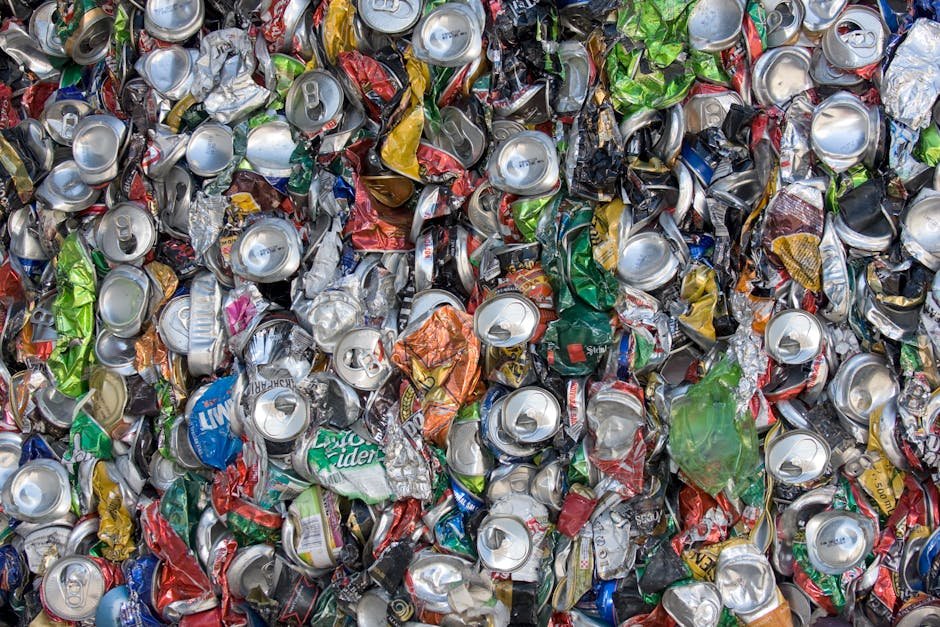

The scrap aluminium price is a critical metric for recyclers, traders, and manufacturers in Australia. With fluctuations driven by global demand, energy costs, and material quality, understanding this market requires a nuanced approach. This guide dissects the current scrap aluminium price, explores pricing mechanisms, and highlights the environmental and economic benefits of recycling. Whether you’re a small business owner or part of a large industrial operation, this resource will equip you with actionable insights to navigate the scrap aluminium price landscape.
Understanding the Current Scrap Aluminium Price
As of early 2024, the average scrap aluminium price in Australia ranges from $3.20 to $3.80 per kg, depending on regional supply and grade. In Sydney, the scrap aluminium price per kg typically hovers around $3.60, while Melbourne sees slightly lower rates at $3.40 per kg. On a tonne basis, this translates to $3,200 to $3,800 per tonne. These figures align with global benchmarks but reflect localized factors such as transportation costs and industrial activity.
Key drivers of the scrap aluminium price include:
- Global demand for aluminium extrusion in construction and automotive sectors
- Energy prices affecting production costs
- Government policies on recycling and emissions
For real-time updates, refer to our Scrap Price Forecast Guide to anticipate market shifts.
How Scrap Aluminium Prices Are Set
Scrap aluminium pricing follows a structured model influenced by both macroeconomic and microeconomic factors. Here’s how it works:
- Global LME Pricing: The London Metal Exchange (LME) sets reference rates for aluminium, which local traders adjust based on quality and logistics.
- Grade Premiums: Clean aluminium scrap (e.g., aluminium cans) commands a premium over mixed or contaminated scrap due to higher recyclability.
- Supply Chain Dynamics: Shortages in primary aluminium production or surges in scrap availability can create price volatility.
For example, a surge in used beverage can recycling in 2023 led to a 12% increase in clean scrap prices, while contaminated industrial scrap saw minimal growth. Local recyclers should monitor these trends to optimize their procurement strategies.
Factors Affecting Scrap Aluminium Cost
Several variables impact the scrap aluminium price at any given time:
- Energy Costs: Higher electricity prices increase refining expenses, pushing scrap prices upward.
- Transportation: Freight rates, particularly for imports/exports, influence regional pricing disparities.
- Seasonality: Construction activity peaks in Q1-Q2, boosting demand for aluminium extrusion and scrap.
A case in point: During the 2024 Australian winter, energy costs rose by 15%, contributing to a $0.20/kg increase in scrap aluminium price. Conversely, the 2023 monsoon season disrupted transport in Queensland, creating temporary regional price imbalances.
Grades of Scrap Aluminium and Their Market Value
Scrap aluminium is categorized by purity and form, with significant price differentials:
| Grade | Description | Average Price/kg |
|---|---|---|
| Grade A | Clean aluminium sheet (99% pure) | $4.00 |
| Grade B | Aluminium cans (85-90% pure) | $3.50 |
| Grade C | Mixed industrial scrap | $2.80 |
| Grade D | Contaminated scrap | $1.50 |
Proper sorting is critical. For instance, separating scrap aluminium price per kg Sydney samples can increase returns by up to 40% for processors. Advanced facilities use near-infrared (NIR) sensors to automate grading and maximize profitability.
The Recycling Process: How Scrap Aluminium is Reused
Aluminium recycling follows a closed-loop system that preserves 95% of the material’s properties. The process includes:
- Collection: Used products are gathered through curbside programs or industrial partnerships.
- Sorting: Aluminium scrap is separated from other metals using eddy current separators.
- Shredding and Melting: Clean scrap is melted at 700°C, requiring only 5% of the energy needed for primary production.
- Casting: Molten metal is formed into ingots or sheets for reuse in manufacturing.
This efficiency explains why recycled aluminium saves up to 95% of energy compared to virgin production. In 2023, Australia recycled 78% of its aluminium cans, avoiding 1.2 million tonnes of CO₂ emissions annually.
Environmental and Economic Benefits of Recycling Aluminium
Recycling aluminium scrap delivers dual benefits:
- Environmental: Reduces landfill waste and mining impacts. Producing a tonne of recycled aluminium saves 14,000 kWh of energy compared to primary production.
- Economic: Creates jobs in sorting, processing, and manufacturing. Australia’s recycling sector supports over 20,000 jobs.
For businesses, optimizing scrap aluminium price management can improve margins. A 2023 study found that companies integrating real-time scrap price forecast data saw a 15% reduction in material costs.
Practical Tips for Maximizing Scrap Aluminium Value
Follow these strategies to enhance returns:
- Sort Thoroughly: Separate high-grade scrap (e.g., aluminium scrap from automotive parts) to qualify for premium pricing.
- Maintain Clean Bales: Contamination with steel or plastic can reduce prices by 30% or more.
- Monitor Market Trends: Use our Scrap Price Forecast Guide to time sales during peak demand.
- Partner with Certified Recyclers: Choose facilities with ISO 14001 certification to ensure ethical recycling practices.
For example, a Brisbane-based business increased its scrap aluminium price revenue by 22% after implementing automated sorting systems and aligning sales with quarterly construction demand peaks.
Future Outlook for Scrap Aluminium Prices
The Aluminium Scrap Price In 2026 is projected to rise due to:
- Increased battery production using aluminium extrusion (expected to grow 200% by 2030)
- Government mandates for 75% recyclable content in packaging by 2027
- EV adoption boosting demand for lightweight aluminium cans in automotive sectors
Investors and traders should also consider the Stainless Steel Scrap Price as a complementary market, though aluminium’s lightweight properties give it a distinct edge in many applications.
Conclusion: Leveraging Scrap Aluminium Price Trends
Mastering the scrap aluminium price market requires understanding global and local dynamics, material grades, and recycling technologies. By staying informed through resources like our Aluminium Scrap Price In 2026 report and Scrap Price Forecast Guide, businesses can optimize their operations. For immediate quotes or to sell scrap, visit scrap.trade or scraptrade.com.au to connect with verified recyclers across Australia.
Frequently Asked Questions
What factors most strongly affect the scrap aluminium price in Australia?
The primary drivers include global demand for aluminium extrusion, energy costs, and the purity of the scrap. Industrial output and government policies also play critical roles.
How can I check the current scrap aluminium price per kg Sydney?
Refer to scrap aluminium price per kg Sydney for real-time updates, or use our Scrap Price Forecast Guide for projected trends.
What’s the most profitable grade of scrap aluminium?
Grade A (99% pure aluminium scrap) commands the highest prices, while contaminated Grade D scrap offers minimal returns. Proper sorting is essential to maximize profits.
Why is recycling aluminium environmentally beneficial?
Recycling saves 95% of the energy required to produce primary aluminium, reduces mining waste, and cuts CO₂ emissions by 90% compared to traditional production methods.
Frequently Asked Questions
What factors most strongly affect the scrap aluminium price in Australia?
The primary drivers include global demand for aluminium extrusion, energy costs, and the purity of the scrap. Industrial output and government policies also play critical roles.
How can I check the current scrap aluminium price per kg Sydney?
Refer to scrap aluminium price per kg Sydney for real-time updates, or use our Scrap Price Forecast Guide for projected trends.
What’s the most profitable grade of scrap aluminium?
Grade A (99% pure aluminium scrap) commands the highest prices, while contaminated Grade D scrap offers minimal returns. Proper sorting is essential to maximize profits.
Why is recycling aluminium environmentally beneficial?
Recycling saves 95% of the energy required to produce primary aluminium, reduces mining waste, and cuts CO₂ emissions by 90% compared to traditional production methods.