
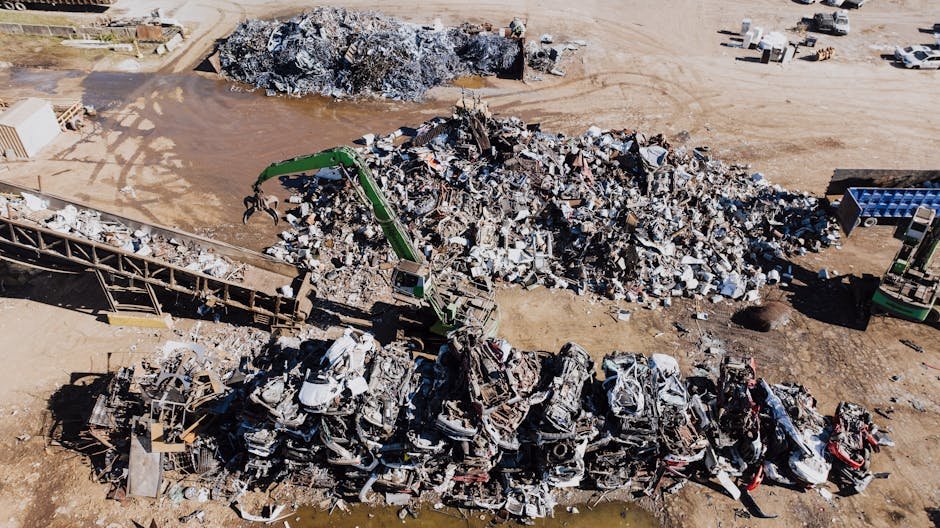

Scrap recycling Minto is a vital industry that transforms discarded metals into reusable materials. By understanding the grades of scrap, the recycling process, and its environmental benefits, individuals and businesses can contribute to sustainable practices. This guide provides an in-depth exploration of these topics, tailored to the Minto region and Australian standards.
Grades of Scrap: Ferrous vs. Non-Ferrous Metals
Scrap metals are categorized into two main groups: ferrous and non-ferrous. Ferrous metals contain iron and are magnetic, while non-ferrous metals do not. Common ferrous grades include steel and iron, often found in construction debris, vehicles, and appliances. Non-ferrous metals like copper, aluminum, and brass are valued for their high conductivity and corrosion resistance.
- Steel/Steel Scrap: The most recycled material worldwide, used in construction and manufacturing.
- Aluminum: Lightweight and infinitely recyclable, found in cans, foil, and automotive parts.
- Copper: High demand in electrical wiring and plumbing; copper recycling Minto is critical for energy-efficient systems.
- Brass: A copper-zinc alloy used in plumbing fixtures and musical instruments.
Proper separation of these grades ensures efficient processing and higher market value. Recyclers in Minto often use magnetic separators, X-ray fluorescence (XRF), and density sorting to classify materials.
How Scrap Recycling Works: A Step-by-Step Process
The recycling process involves several stages to transform scrap into reusable materials. Here’s how scrap recycling Minto operates:
- Collection: Scrap is gathered from households, industries, and demolition sites.
- Sorting: Materials are separated by grade, size, and purity using mechanical and manual methods.
- Processing: Metals are shredded, compacted, or melted down to remove impurities.
- Refining: Molten metal is purified and cast into ingots or sheets for resale.
- Repurposing: Recycled metal is used in manufacturing new products, closing the materials loop.
Advanced facilities in Minto may employ automated sorting technologies to enhance efficiency. For example, eddy current separators extract non-ferrous metals, while optical sorters identify different plastics and metals.
Environmental Benefits of Scrap Recycling
Recycling metals reduces the environmental footprint of mining and processing raw materials. Key benefits include:
- Resource Conservation: Recycling 1 ton of steel saves 2,500 pounds of iron ore, 1,400 pounds of coal, and 120 pounds of limestone.
- Energy Savings: Producing aluminum from recycled scrap uses 95% less energy than from bauxite ore.
- Landfill Reduction: Scrap recycling diverts millions of tons of waste from landfills annually.
- Lower Carbon Emissions: The global steel industry accounts for 7% of CO2 emissions; recycling significantly reduces this.
In Minto, local initiatives align with Australia’s national recycling targets, aiming for 80% of construction and demolition waste to be recycled by 2030. Supporting scrap recycling Minto contributes directly to these goals.
Choosing a Reliable Scrap Recycling Service
When selecting a recycler, consider the following factors:
- Certifications: Look for ISO 14001 (environmental management) and RIOS (Responsible Recycling) certifications.
- Facility Capabilities: Ensure the service handles all grades of scrap and uses modern sorting technologies.
- Transparency: Reputable recyclers provide detailed reports on material processing and end-use.
- Local Expertise: A recycler familiar with scrap recycling Sydney standards ensures compliance with Australian regulations.
For immediate assistance, use Scrap Metal Recycling Near Me to locate certified facilities in Minto. This tool streamlines the process of finding trustworthy partners for your scrap materials.
Economic Impact of Scrap Recycling in Minto
The scrap recycling industry supports local economies by creating jobs and reducing reliance on imported raw materials. Key economic benefits include:
- Employment: Sorting, processing, and logistics roles generate stable employment opportunities.
- Cost Savings: Recycled metals are often cheaper than virgin materials for manufacturers.
- Export Revenue: High-grade scrap from Minto is exported globally, contributing to Australia’s trade balance.
Businesses in Minto can also benefit from scrap trading by sourcing and reselling recycled materials. This creates a circular economy where waste becomes a valuable commodity.
Practical Tips for Sustainable Scrap Recycling
Maximize the value and sustainability of your recycling efforts with these tips:
- Segregate Metals: Keep ferrous and non-ferrous metals separate to avoid contamination.
- Remove Non-Metal Components: Strip wires from copper pipes and remove plastic coatings from cables.
- Partner with Certified Recyclers: Ensure your materials are processed ethically and efficiently.
- Track Your Impact: Maintain records of recycled materials to contribute to corporate sustainability goals.
For households, community recycling events in Minto offer convenient drop-off points. Businesses should audit their scrap streams to identify high-value materials like copper and aluminum.
Conclusion: Embracing a Circular Future in Minto
Scrap recycling Minto is a cornerstone of a sustainable future. By understanding metal grades, supporting ethical recycling, and leveraging local resources, the community can reduce environmental harm while boosting economic resilience. Whether you’re a homeowner with old appliances or a business managing industrial waste, every effort contributes to a cleaner planet.
For comprehensive insights into the scrap industry, visit Scrap Trade for market trends and data. To explore global recycling practices, see Scrap Trade Australia’s international case studies.
FAQs About Scrap Recycling Minto
Frequently Asked Questions
What are the main grades of scrap recycled in Minto?
The primary grades include ferrous metals like steel and iron, and non-ferrous metals such as copper, aluminum, and brass. Ferrous metals are magnetic, while non-ferrous are not.
How does the scrap recycling process work in Minto?
The process involves collection, sorting, processing, refining, and repurposing. Advanced technologies like XRF and eddy current separators ensure accurate material classification.
What environmental benefits does scrap recycling offer?
Recycling reduces resource extraction, saves energy, and minimizes landfill waste. For example, recycling aluminum saves 95% of the energy required to produce new aluminum from bauxite.
How can I find a reliable scrap recycling service in Minto?
Look for ISO-certified facilities with transparent processes. Use tools like Scrap Metal Recycling Near Me to locate certified recyclers in the area.