
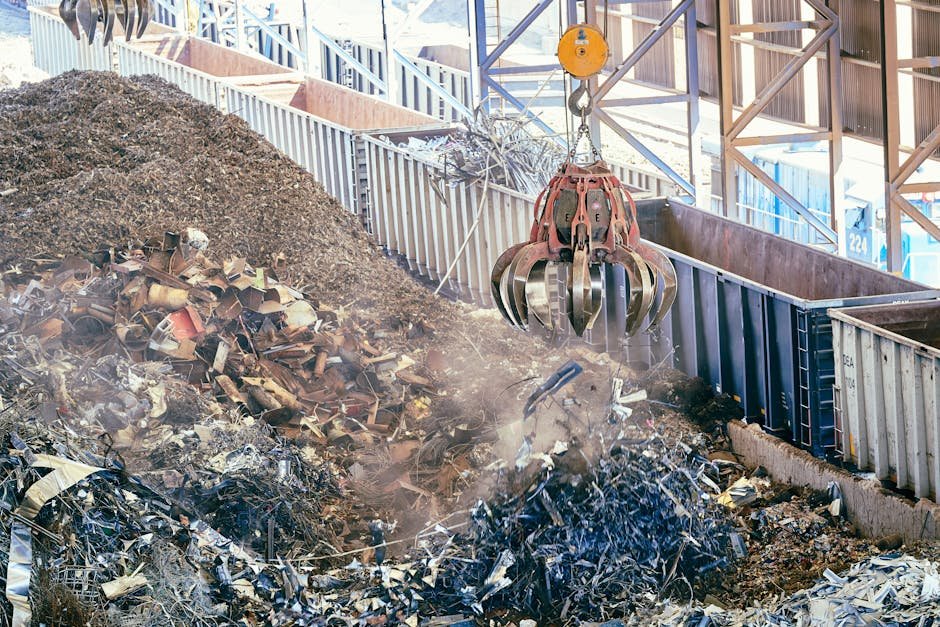

Waste steel Seven Hills is a critical component of Australia’s circular economy, particularly in the recycling of ferrous metals like mild steel, sheet metal, and other scrap steel materials. In Seven Hills, NSW, local businesses and residents generate significant volumes of industrial and household steel waste, which must be managed responsibly. This guide explores the importance of waste steel recycling, the types of materials processed, the economic and environmental benefits, and how to engage with waste steel recyclers Seven Hills to optimize value from scrap metal.
The Role of Waste Steel Recycling in Sustainability
Steel is one of the most recycled materials globally, with over 500 million tonnes recycled annually. Waste steel Seven Hills plays a pivotal role in reducing landfill waste and conserving natural resources. Recycling steel saves up to 60% of the energy required to produce new steel from iron ore. In Seven Hills, where industries like manufacturing, construction, and automotive repair generate substantial scrap steel, recycling ensures environmental compliance and economic efficiency.
Ferrous metals, including waste steel, are magnetic and form the backbone of steel recycling. Mild steel, a common ferrous alloy, is particularly recyclable due to its low carbon content and versatility. By diverting waste steel from landfills, Seven Hills contributes to Australia’s goal of achieving a zero-waste economy by 2030.
Types of Waste Steel in Seven Hills
Understanding the categories of waste steel is essential for effective recycling. In Seven Hills, common types include:
- Metal Turnings and Chips: Generated by machining processes in machine shops. These fine steel shavings (often steel turnings chips buyers in Seven Hills specialize in collecting and repurposing them.
- Sheet Metal Scraps: Discarded from construction, automotive, or industrial projects. Sheet metal is often sorted by thickness and alloy type before recycling.
- Structural Steel: Includes beams, columns, and reinforcement bars from demolition sites, requiring specialized equipment for processing.
- Steel Containers and Appliances: Domestic waste like refrigerators, washing machines, and BBQs, which must be checked for non-ferrous components (e.g., copper wiring) before recycling.
The Stainless Steel Scrap Price in Seven Hills fluctuates based on global demand, but even ferrous waste steel commands value depending on its purity and volume.
The Waste Steel Recycling Process in Seven Hills
Recycling waste steel Seven Hills involves a multi-stage process:
- Collection: Businesses and households partner with waste steel recyclers Seven Hills to schedule pickups or drop-offs.
- Sorting and Classification: Recyclers use magnets to separate ferrous metals from non-ferrous materials like aluminium or copper.
- Shredding and Processing: Steel is crushed into smaller pieces to facilitate melting and reduce transportation costs.
- Smelting and Reuse: Processed scrap is melted and recast into new products, such as rebar, steel beams, or automotive parts.
This closed-loop system reduces CO2 emissions by up to 50% compared to primary steel production, making it vital for sustainable development in regional areas like Seven Hills.
Economic Benefits of Recycling Waste Steel
Recycling waste steel Seven Hills offers significant financial advantages. The steel price per tonne in Australia (currently averaging $450–$600 per tonne for ferrous scrap) ensures a steady revenue stream for businesses disposing of metal waste. For example, a local machine shop recycling 10 tonnes of steel turnings could earn up to $5,000 annually, depending on market conditions.
Moreover, partnerships with waste steel recycling Seven Hills platforms streamline the process. Many recyclers offer free quotes, on-site assessments, and prompt payments, making it attractive for small and medium enterprises (SMEs) to participate. This economic activity also supports local jobs in the recycling sector.
Practical Tips for Managing Waste Steel
Maximizing the value of waste steel requires strategic planning:
- Segregate Materials: Separate ferrous and non-ferrous metals to avoid contamination. Even a small amount of non-ferrous material can reduce the value of scrap steel.
- Track Steel Price Per Tonne: Monitor market trends to time sales for maximum profit. Prices fluctuate based on global demand and raw material costs.
- Partner with Certified Recyclers: Verify that recyclers hold licenses and certifications (e.g., ISO 14001) to ensure ethical practices.
- Optimize Storage: Use designated containers to protect scrap from weather damage, which can cause rust and reduce its recyclability.
Additionally, consider using Scrap.Trade to connect with approved waste steel recyclers Seven Hills and access real-time pricing data.
Community and Environmental Impact
Seven Hills’ commitment to waste steel recycling aligns with broader environmental goals. For every tonne of steel recycled, 1.5 tonnes of iron ore, 0.5 tonnes of coal, and 40% less water are saved. Local initiatives, such as school programs promoting metal reuse and industry partnerships with ScrapTrade’s recycling services, amplify this impact. The E Waste Group also collaborates with steel recyclers to manage electronic devices containing ferrous components, reducing overall e-waste.
Residents and businesses in Seven Hills can further support sustainability by reporting illegal dumping and advocating for stricter recycling regulations. Every tonne of waste steel processed locally reduces the need for energy-intensive mining operations in other parts of Australia.
Future of Waste Steel Recycling in Seven Hills
Advancements in technology are set to revolutionize waste steel recycling. Innovations like AI-powered sorting systems and electric arc furnaces (EAFs) will improve efficiency, while blockchain tracking could enhance transparency in the scrap metal supply chain. In Seven Hills, local councils are exploring partnerships with Stainless Steel Scrap Price platforms to monitor and incentivize recycling efforts.
To stay competitive, recyclers must adopt green technologies such as solar-powered processing plants and hydrogen-based smelting. These initiatives will position Seven Hills as a leader in sustainable manufacturing within New South Wales.
Conclusion
Waste steel Seven Hills is more than a resource—it’s a cornerstone of environmental and economic resilience. By understanding the value of scrap steel, supporting local recyclers, and adopting best practices, individuals and businesses can contribute to a cleaner future. Whether you’re a manufacturer, a DIY enthusiast, or a homeowner, responsible disposal of waste steel ensures that materials are repurposed efficiently, reducing Australia’s ecological footprint.
Frequently Asked Questions
What is the current steel price per tonne in Seven Hills?
The steel price per tonne in Seven Hills typically ranges between $450 and $600 for ferrous scrap, depending on market conditions and the purity of the material.
How do I identify recyclable waste steel in my business?
Look for magnetic metals like mild steel, structural beams, and metal turnings. Avoid mixing non-ferrous materials like copper or aluminium to maintain value.
Can household appliances be recycled as waste steel?
Yes, appliances like refrigerators and washing machines can be recycled, but they must be checked for non-ferrous components before processing.
Why is waste steel recycling important for Seven Hills?
Recycling waste steel reduces landfill use, conserves natural resources, and supports local jobs while aligning with Australia’s sustainability goals.