
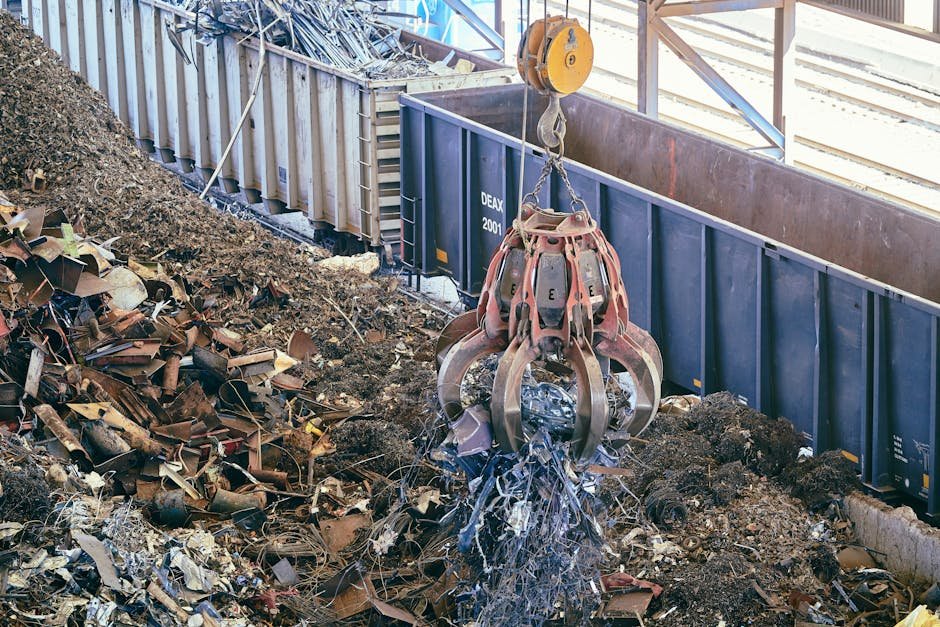

Scrap metal collection Dubbo plays a vital role in Australia’s circular economy by transforming discarded metals into reusable materials. Whether you’re a business or individual looking to dispose of scrap metal responsibly, understanding the grades, recycling process, and environmental impact is essential. This guide provides an in-depth overview of scrap metal collection Dubbo, including practical tips for maximizing your returns and contributing to ecological preservation.
Understanding Scrap Metal Grades in Dubbo
Scrap metal is categorized into two primary groups: ferrous and non-ferrous. Ferrous metals, such as iron and steel, contain iron and are magnetic. Non-ferrous metals, like aluminum, copper, and brass, are non-magnetic and often more valuable. In Dubbo, local recycling platforms (e.g., Scrap Trade) grade scrap based on purity, size, and contamination levels. For instance, scrap metal recycling near me platforms may offer higher prices for clean, sorted materials.
- Ferrous Grades: Includes steel, cast iron, and wrought iron. These are commonly sourced from vehicles, construction debris, and appliances.
- Non-Ferrous Grades: High-value metals like copper wiring, aluminum cans, and brass fittings. Non-ferrous scrap is often easier to recycle due to its durability.
How Scrap Metal Collection and Recycling Works in Dubbo
The scrap metal collection Dubbo process involves several stages to ensure efficient reuse. Here’s a step-by-step breakdown:
- Collection: Local services like Scrap Metal Collection dispatch trucks to gather scrap from residential, commercial, or industrial sites.
- Sorting: Metals are separated using magnets (for ferrous) and eddy currents (for non-ferrous) to streamline processing.
- Shredding and Processing: Large items are broken down into smaller chunks to increase melting efficiency.
- Smelting and Repurposing: Recycled metals are melted and molded into new products, reducing the need for raw material extraction.
Dubbo’s remote location presents unique challenges, but platforms like Scrap Trade optimize logistics to ensure timely collection and competitive pricing.
Environmental Benefits of Scrap Metal Recycling in Dubbo
Scrap metal collection Dubbo significantly reduces environmental degradation. According to the Australian Recycling Industry Council, recycling one ton of steel saves 2,500 pounds of iron ore and 600 pounds of coal. For aluminum, recycling uses 95% less energy than producing new metal from bauxite.
- Reduced Landfill Waste: Dubbo generates over 10,000 tons of industrial scrap annually, which could otherwise contribute to landfill overcrowding.
- Lower Carbon Emissions: Recycling metals cuts CO2 emissions by up to 90% compared to mining and processing virgin materials.
- Conservation of Resources: Recycling preserves finite resources like copper and iron ore, ensuring sustainable supply chains for future generations.
Practical Tips for Effective Scrap Metal Collection in Dubbo
Maximize your returns and environmental impact by following these expert tips:
- Sort Metals by Type: Separate ferrous and non-ferrous metals to streamline the recycling process and increase your payout.
- Clean Materials: Remove contaminants like oil, dirt, or plastic to avoid downgrading your scrap’s grade.
- Utilize Local Services: Contact platforms like scrap metal collection near Guildford or scrap metal collection Blacktown for efficient pickup and pricing.
- Stay Informed: Use tools like Sell Scrap Metal Near Me in 2026 to track market rates and optimize your sales timing.
The Role of Dubbo in Australia’s Recycling Network
Dubbo serves as a critical hub for regional recycling due to its proximity to mining and agricultural industries. Local scrap metal collection Dubbo providers collaborate with national platforms like Scrap Trade to integrate regional scrap into broader supply chains. This ensures that even remote areas benefit from the same high-quality recycling services as metropolitan centers.
Challenges and Innovations in Scrap Metal Recycling
Despite its benefits, scrap metal collection Dubbo faces challenges like fluctuating metal prices and logistical costs. Innovations such as AI-powered sorting systems and electric recycling vehicles are addressing these issues. For example, Scrap Metal Recycling Near Me services now use blockchain to track recyclable materials, enhancing transparency and trust.
Conclusion: Embracing Sustainability Through Scrap Metal Collection
Scrap metal collection Dubbo is more than a service—it’s a commitment to environmental stewardship. By understanding metal grades, recycling processes, and local resources, you can contribute to a greener future. Whether you’re a business disposing of industrial scrap or a homeowner clearing old appliances, leveraging platforms like Scrap Trade ensures your efforts make a difference. Together, we can reduce waste, conserve resources, and support Australia’s transition to a circular economy.
Related: scrap metal collection near guildford
Frequently Asked Questions
What types of scrap metal are collected in Dubbo?
Dubbo collects both ferrous (iron, steel) and non-ferrous (aluminum, copper) metals. Non-ferrous metals typically command higher prices due to their purity and reusability.
How does recycling scrap metal benefit the environment?
Recycling reduces landfill waste, lowers carbon emissions, and conserves natural resources. For example, recycling aluminum uses 95% less energy than producing new aluminum from bauxite.
Can I sell scrap metal from my home in Dubbo?
Yes, many local services, including Scrap Metal Collection, offer residential pickups. Ensure you sort and clean your scrap for the best payout.
What should I avoid when preparing scrap metal for recycling?
Avoid mixing different metal types and remove contaminants like oil or plastic. Contaminated scrap may be downgraded, reducing its value.