
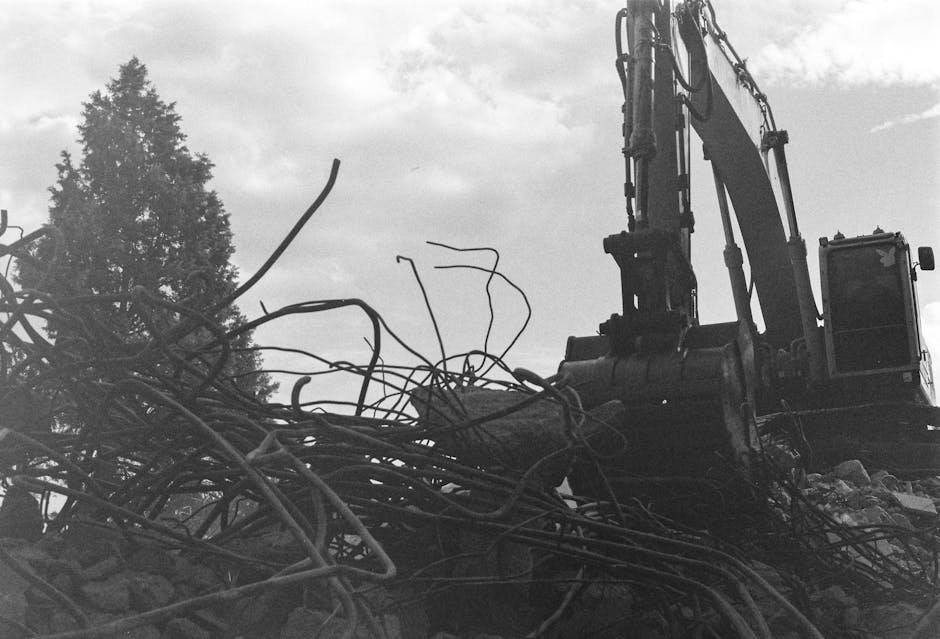

Demolition scrap metal refers to metal waste generated during building, infrastructure, or industrial demolition projects. This material often includes structural steel, reinforced concrete, wiring, and machinery, all of which hold significant value when recycled. Understanding the grades of demolition scrap, the recycling process, and its environmental impact is critical for businesses and individuals involved in scrap metal trading in Australia.
What Is Demolition Scrap Metal?
Demolition scrap metal arises from the dismantling of structures such as buildings, bridges, and vehicles. It typically consists of:
- Structural steel: Beams, columns, and reinforcement bars (rebar) used in construction.
- Non-ferrous metals: Copper, aluminum, and brass from wiring, plumbing, and HVAC systems.
- Mixed scrap: A combination of metals, including white metals (zinc, lead) and heavy equipment.
Each category has distinct recycling pathways and market values, influenced by factors like purity, weight, and demand.
Grades of Demolition Scrap Metal
Scrap metal is categorized into grades based on composition, condition, and potential for reuse. Key grades in demolition projects include:
1. Structural Steel (Black Scrap)
Structural steel is the most common grade in demolition scrap. It includes:
- Rebar: High-quality steel bars used in concrete reinforcement.
- Beams and Columns: I-beams, channels, and angle iron from building frameworks.
- Sheet Steel: Metal cladding or roofing materials.
Structural steel is sorted by weight and thickness. Clean, cut-to-length steel commands higher prices, while contaminated or bundled scrap is less valuable.
2. Non-Ferrous Metals
Non-ferrous metals are prized for their conductivity and resistance to corrosion. Common types in demolition include:
- Copper: Electrical wiring and plumbing pipes.
- Aluminum: Window frames, doors, and HVAC components.
- Brass: Fixtures, valves, and fittings.
These metals are graded by purity and alloy composition. For example, copper wiring stripped of insulation (“clean copper”) fetches higher prices than “copper with dirt” or “copper with rubber”.
3. Mixed Scrap
Mixed scrap includes a combination of metals, often requiring separation before recycling. Categories include:
- White Metals: Zinc, lead, and tin from batteries, bearings, and electrical components.
- Heavy Equipment: Demolition machinery parts like hydraulic cylinders and gears.
- Household Appliances: Fridges, washing machines, and ovens containing steel and non-ferrous components.
Mixed scrap is typically sold as a bulk category, with prices determined by the proportion of valuable metals present.
The Demolition Scrap Recycling Process
Recycling demolition scrap involves several stages, ensuring materials are efficiently repurposed:
1. Collection and Sorting
Scrap is collected from demolition sites and sorted using manual and automated methods. Ferrous metals are separated using magnets, while non-ferrous metals are identified with X-ray fluorescence (XRF) scanners. Contaminants like concrete, wood, and plastic are removed to avoid impurities.
2. Processing
Processed scrap is prepared for melting:
- Structural steel: Cut into manageable sizes (e.g., 12-inch lengths) and bundled.
- Non-ferrous metals: Shredded or baled, with insulation removed from wiring.
- Mixed scrap: Separated via trommels or eddy current separators.
Proper processing ensures higher scrap metal prices and smoother melting in foundries.
3. Melting and Repurposing
Sorted scrap is melted down in blast furnaces or electric arc furnaces. Steel and iron are refined into new construction materials, while non-ferrous metals are cast into components for electronics, vehicles, and packaging. This closed-loop system reduces the need for virgin ore mining.
Environmental Benefits of Recycling Demolition Scrap
Recycling demolition scrap offers significant environmental advantages:
1. Landfill Reduction
Construction and demolition waste accounts for over 50% of global landfill volumes. Recycling scrap metal reduces this burden, preventing toxic materials from leaching into soil and water.
2. Energy Efficiency
Producing steel from recycled scrap uses 60% less energy than from iron ore. Similarly, recycling aluminum saves 95% of the energy required to produce new aluminum, making it a key strategy for decarbonizing industry.
3. Carbon Footprint Reduction
Recycling 1 ton of steel reduces CO2 emissions by 1.5 tons. By reusing demolition scrap, Australia can meet its climate goals while maintaining a steady supply of raw materials for manufacturing.
Practical Tips for Selling Demolition Scrap
Maximizing the value of demolition scrap requires strategic preparation:
- Assess Your Scrap: Identify high-value items like copper wiring, aluminum doors, and clean steel. Use a scrap metal price checker to estimate earnings.
- Prepare for Collection: Remove non-metallic contaminants and cut large items into transportable sizes. Clean metals to increase purity and price.
- Use a Reputable Platform: Partner with ScrapTrade for transparent, competitive bids and efficient logistics.
- Stay Informed: Monitor local recycling facilities and seasonal price fluctuations.
Case studies from locations like scrap metal Ingleburn and Charlestown scrap metal demonstrate how proper sorting and preparation boost profits.
Case Study: Demolition Scrap Recycling in Sydney
A 2023 project in Sydney’s inner west involved recycling 200 tons of demolition scrap from a former industrial site. The materials included structural steel, copper wiring, and mixed metals. By partnering with ScrapTrade, the site owner achieved a 30% higher return than the initial estimate. Key steps included:
- Separating copper wiring from concrete slabs using hydraulic shears.
- Bundling structural steel for efficient transport.
- Utilizing x-ray fluorescence to identify non-ferrous alloys.
This project diverted 80% of waste from landfills and generated $50,000 in revenue for the site owner.
Conclusion
Demolition scrap metal is a vital resource for Australia’s circular economy. By understanding grades, recycling processes, and environmental benefits, stakeholders can maximize value while supporting sustainability. Whether you’re a contractor, homeowner, or recycler, leveraging platforms like ScrapTrade ensures efficient, profitable outcomes. For local options, explore Sell Scrap Metal Near Me In 2026 to connect with nearby buyers.
Frequently Asked Questions
What are the main grades of demolition scrap metal?
Demolition scrap includes structural steel (black scrap), non-ferrous metals (copper, aluminum), and mixed scrap (white metals, heavy equipment). Each grade is valued based on purity, weight, and market demand.
How does recycling demolition scrap metal benefit the environment?
Recycling reduces landfill waste, saves energy (e.g., 60% less for steel), and cuts CO2 emissions. It also conserves natural resources by reusing materials instead of mining new ones.
What should I consider before selling demolition scrap?
Assess the type and quantity of scrap, clean and sort materials, and use a reliable platform like ScrapTrade to secure competitive prices and logistics.
How can I find local scrap metal recycling services in Australia?
Use Scrap Metal Recycling Near Me to locate certified recyclers, track current prices, and streamline your recycling process.