
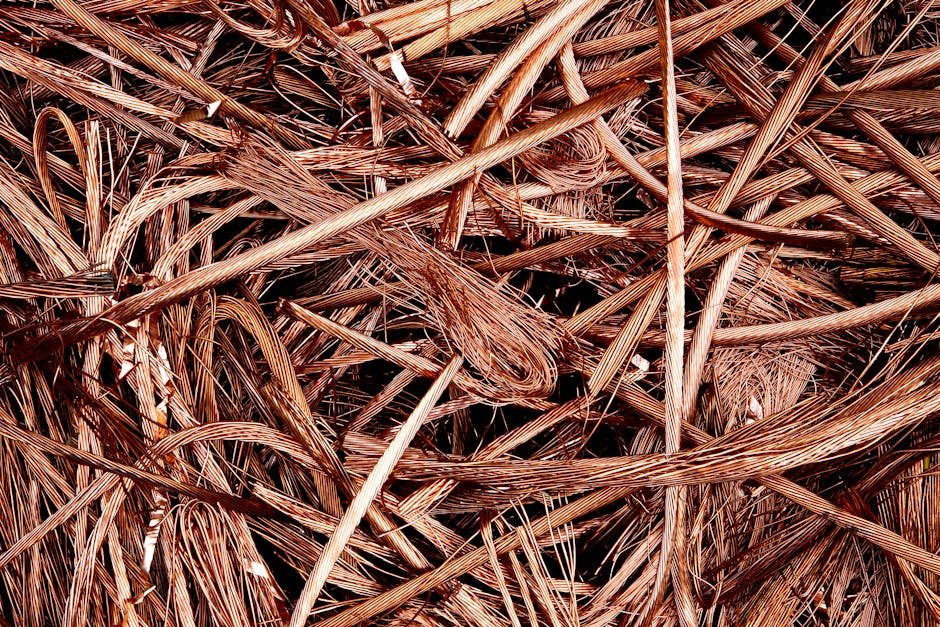

Copper scrap is a vital resource in Australia’s recycling industry, offering both economic and environmental value. From electrical wiring to plumbing systems, copper is widely used and repurposed. Understanding the grades of copper scrap, the recycling process, and its environmental benefits helps businesses and individuals make informed decisions about recycling and trading.
The Importance of Copper Scrap in the Recycling Industry
Copper scrap is one of the most valuable materials in the recycling sector due to its high conductivity, durability, and 100% recyclability. In Australia, industries such as construction, manufacturing, and electronics generate significant volumes of copper scrap, including copper wire, copper pipe, and industrial components. Proper recycling ensures this resource is reintegrated into the economy, reducing the need for mining and preserving natural resources.
Grades of Copper Scrap: Understanding the Classification
Copper scrap is categorized into grades based on purity, condition, and contamination levels. The primary grades include:
- Bare Bright Copper: High-purity copper with no insulation or coatings, often sourced from electrical wiring and wiring looms.
- Number 2 (No. 2) Copper: Mixed copper with some oxidation or dirt but no non-metallic materials. Common examples include scrap copper from electrical panels and motors.
- Heavy Wall Copper Pipe: Thick-walled copper tubing used in plumbing, valued for its structural integrity.
- Insulated Copper Wire: Copper wire with plastic or rubber insulation, requiring stripping before processing.
- Red Copper: Pure copper with minimal impurities, often recycled into high-grade alloys.
Accurate grading ensures optimal pricing and processing efficiency. For instance, Scrap Copper buyers in Australia pay premium prices for clean, high-grade material like bare bright copper.
How Copper Recycling Works: A Step-by-Step Process
The copper recycling process involves several stages to convert scrap into reusable material:
1. Collection and Sorting
Copper scrap is collected from residential, commercial, and industrial sources. Sorting separates copper by grade, removing contaminants like plastic, aluminum, or other metals. This step is critical to maximize copper price per kg at trade-in points.
2. Shredding and Cleaning
Scrap is shredded or chopped to increase surface area and remove coatings. For example, copper wire is stripped of insulation using mechanical or chemical methods. Contaminants like dirt and oils are washed away before melting.
3. Melting and Refining
Cleaned copper is melted in high-temperature furnaces to produce molten metal. Impurities are skimmed off, and the refined copper is cast into ingots or rods for reuse in manufacturing. This process consumes 85% less energy than mining and processing raw copper ore, according to the International Copper Association.
4. Reuse in Manufacturing
Recycled copper is used to produce new wires, pipes, and industrial components. Its properties remain unchanged, ensuring it meets the same quality standards as mined copper.
Environmental Benefits of Copper Recycling
Copper recycling significantly reduces environmental degradation compared to mining. Key benefits include:
- Energy Efficiency: Recycling copper saves up to 80% of the energy required to extract and process new copper.
- Conservation of Resources: Recycling reduces the demand for raw materials, preserving ecosystems and reducing land degradation.
- Lower Carbon Emissions: The recycling process emits 40% less CO2 than primary production, as noted by the Australian Bureau of Statistics.
- Waste Reduction: Repurposing scrap copper prevents landfill accumulation and hazardous material release.
By choosing to recycle, individuals and businesses contribute to Australia’s circular economy goals, aligning with national sustainability targets.
Practical Tips for Selling and Trading Copper Scrap
To maximize returns and ensure compliance, consider these tips when trading copper scrap:
- Sort and Clean Scrap: Remove contaminants like plastic, dirt, or other metals to qualify for higher-grade pricing.
- Check Local Prices: Use tools like Scrap Copper Prices Near Me to compare current copper scrap price per kg in your area.
- Use Reputable Buyers: Partner with trusted scrap copper buyers to ensure fair valuation and ethical practices.
- Transport Safely: Bag or bale loose copper to prevent loss and meet transport regulations.
Market Insights: Copper Scrap Value and Trends
The copper price per kg in Australia fluctuates based on global demand, supply chain dynamics, and economic conditions. For example, construction booms increase demand for recycled copper pipe, while technology sector growth drives need for copper wire. Regularly monitoring the copper scrap price per kg helps traders and recyclers optimize their sales strategies.
Why Choose Scrap Trade for Copper Recycling
Scrap Trade offers a streamlined platform for buying and selling copper scrap, connecting sellers with verified buyers across Australia. Their transparent pricing and logistics solutions simplify the trading process, ensuring fair returns for your materials. Additionally, Scrap Trade Australia provides localized insights and market updates to help you stay competitive.
Conclusion: Embracing Copper Recycling for a Sustainable Future
Copper scrap is a cornerstone of sustainable resource management, offering economic and environmental advantages. By understanding grades, recycling processes, and market trends, individuals and businesses can contribute to a circular economy while maximizing financial returns. Whether you’re managing scrap copper from a construction site or household items, recycling ensures this valuable metal remains in use indefinitely.
Related: What Is Scrap Trade
Frequently Asked Questions
What are the main grades of copper scrap?
The main grades include bare bright copper (highest purity), number 2 copper (mixed with oxidation), heavy wall copper pipe, insulated copper wire, and red copper. Each grade affects pricing and usability.
How does copper recycling work?
Copper recycling involves sorting, shredding, melting, and refining scrap. Contaminants are removed, and the purified metal is recast into new products like wires or pipes.
Why is recycling copper beneficial?
Recycling copper saves 80% of the energy required for mining, reduces CO2 emissions, conserves natural resources, and prevents landfill waste.
How can I find current copper scrap prices?
Use Scrap Copper Prices Near Me to check the copper scrap price per kg in your region and compare offers from scrap copper buyers.