
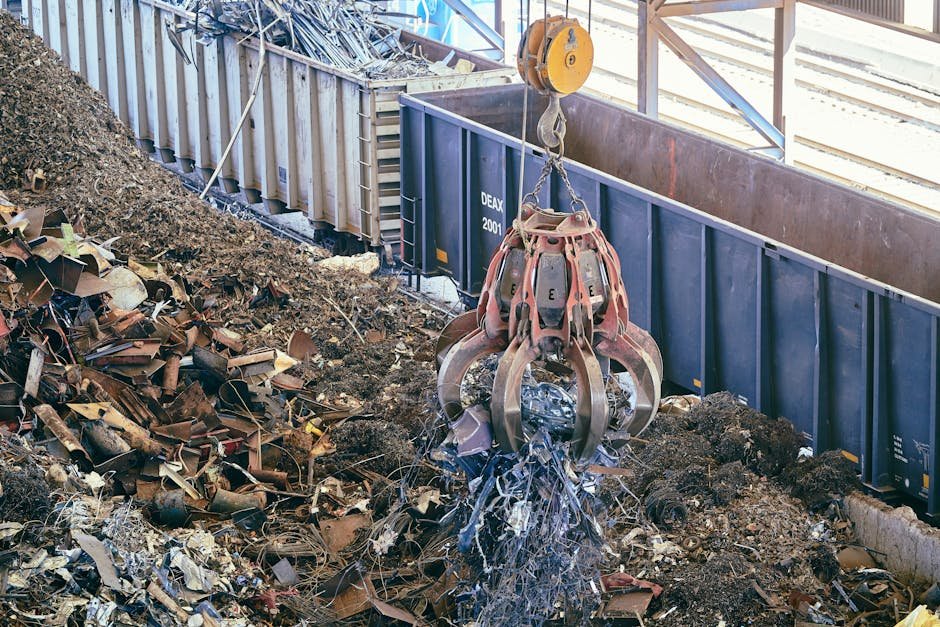

Metal scrap rates are a critical metric in the recycling industry, influencing both buyers and sellers. As of 2026, the market reflects complex interactions between global supply chains, environmental policies, and technological advancements. Understanding metal scrap rates requires knowledge of scrap grades, recycling processes, and the environmental impact of metal reuse. Whether you’re a business owner, a homeowner, or a trader, this guide provides actionable insights into the Australian scrap metal industry.
Understanding Metal Scrap Grades
Scrap metal is categorized into grades based on purity, composition, and usability. The primary grades in Australia include:
- 1. Ferrous Metals: Iron and steel dominate this category. Common types include shredded steel, structural steel, and machine shop turnings. Ferrous scrap is valued for its high iron content, making it ideal for steel production.
- 2. Non-Ferrous Metals: Aluminum, copper, brass, and zinc fall into this category. These metals are non-magnetic and more valuable due to their conductivity and resistance to corrosion. For example, copper wiring from appliances commands premium scrap metal rates.
- 3. Mixed Metals: A blend of ferrous and non-ferrous materials, often requiring sorting before recycling. This grade is common in demolition waste and construction debris.
Grades directly impact pricing. A 2026 report by the Australian Recycling Industry Council (ARIC) found that pure copper grades fetch up to 40% higher rates than mixed metals. Always segregate materials to maximize returns when selling scrap metal near me.
How the Scrap Metal Recycling Process Works
Recycling scrap metal involves four key stages:
- Collection: Materials are gathered from industrial sites, households, or demolition projects. Scrap metal recycling near me services streamline this process.
- Sorting: Ferrous and non-ferrous metals are separated using magnets or eddy current separators. Advanced facilities use X-ray fluorescence (XRF) to identify alloys.
- Shredding/Processing: Large items like cars or appliances are shredded into smaller pieces. Copper wiring is extracted manually for higher value.
- Refining: Metals are melted and purified in furnaces. For example, recycled steel requires 60% less energy than virgin steel production.
Efficiency in this process reduces costs and enhances metal scrap rates. In 2026, Australia’s recycling infrastructure has improved, with 85% of ferrous metals being fully recycled compared to 70% in 2020.
Environmental Benefits of Metal Recycling
Recycling metals significantly reduces environmental harm. Key benefits include:
- Energy Savings: Recycling aluminum saves 95% of the energy required to produce new aluminum from bauxite ore.
- Carbon Reduction: The Australian government estimates that metal recycling prevents 12 million tons of CO2 emissions annually.
- Resource Conservation: Recycling reduces the need for mining, preserving ecosystems and reducing water pollution from mining runoff.
For example, a single ton of recycled copper saves 140 million gallons of water and 40,000 kWh of energy. By choosing scrap metal recycling near me, individuals and businesses contribute to these sustainability goals.
Factors Affecting Metal Scrap Rates in 2026
Metal scrap rates are influenced by multiple factors:
- Global Markets: China and India remain the largest buyers of Australian scrap metals. Currency fluctuations and trade tariffs directly impact pricing.
- Supply and Demand: Construction booms increase demand for steel, while tech advancements boost copper needs for electronics.
- Contamination: Mixed or dirty scrap lowers its value. Clean, sorted materials fetch higher price for scrap metal.
- Government Policies: Australia’s 2026 National Recycling Policy mandates a 75% recycling rate for industrial metals, creating more stable pricing.
Stay informed via scrap metal prices to track real-time fluctuations. For example, copper rates surged 22% in Q1 2026 due to electric vehicle battery demand.
Practical Tips for Selling Scrap Metal
Maximize your returns with these strategies:
- Segregate Materials: Separate ferrous and non-ferrous metals. Pure copper wiring can earn up to $12/kg.
- Check Local Regulations: Some states require permits for large-scale scrap disposal. Use scrap metal recycling near me to find compliant services.
- Time Your Sales: Monitor seasonal trends. Steel prices typically rise in June due to construction activity.
- Use Trusted Platforms: Scrap Trade offers transparent pricing and pickup services across Australia.
For example, a homeowner in Sydney selling 500kg of copper wiring via Sell Scrap Metal Near Me In 2026 earned $4,000 after sorting and cleaning the materials.
Future Trends in the Scrap Metal Industry
2026 marks a turning point with innovations like:
- AI Sorting: Machine learning systems now identify 99% of scrap metal grades in seconds.
- Electric Vehicle (EV) Recycling: Lithium-ion batteries from EVs will become a major source of cobalt and nickel scrap.
- Blockchain Tracking: Platforms like ScrapTrade use blockchain to verify the origin and purity of recycled metals.
These trends will stabilize metal scrap rates and create new opportunities for sustainable revenue streams.
Conclusion
Metal scrap rates are a dynamic force in Australia’s economy and environment. By understanding grades, recycling processes, and market trends, stakeholders can maximize profits while supporting sustainability. Whether you’re checking current scrap metal rates or exploring local recycling services, informed decisions drive both financial and environmental success.
FAQs
1. Why do metal scrap rates fluctuate so much?
Rates depend on global demand, raw material costs, and environmental policies. For example, a 10% rise in Chinese steel production can increase Australian copper rates by 5%.
2. How can I get the best price for scrap metal?
Segregate metals, clean materials, and compare offers using price for scrap metal tools. Selling in bulk also improves returns.
3. What’s the difference between ferrous and non-ferrous metals?
Ferrous metals contain iron and are magnetic, while non-ferrous metals like aluminum or copper are non-magnetic and more valuable due to their conductivity.
4. How does recycling metal help the environment?
Recycling reduces energy use by 50-70%, cuts mining waste, and lowers greenhouse gas emissions. For every ton of recycled steel, 2,500 pounds of iron ore are saved.
Related: scrap metal rates
Related: price for scrap metal
Frequently Asked Questions
Why do metal scrap rates fluctuate so much?
Rates depend on global demand, raw material costs, and environmental policies. For example, a 10% rise in Chinese steel production can increase Australian copper rates by 5%.
How can I get the best price for scrap metal?
Segregate metals, clean materials, and compare offers using price for scrap metal tools. Selling in bulk also improves returns.
What’s the difference between ferrous and non-ferrous metals?
Ferrous metals contain iron and are magnetic, while non-ferrous metals like aluminum or copper are non-magnetic and more valuable due to their conductivity.
How does recycling metal help the environment?
Recycling reduces energy use by 50-70%, cuts mining waste, and lowers greenhouse gas emissions. For every ton of recycled steel, 2,500 pounds of iron ore are saved.