
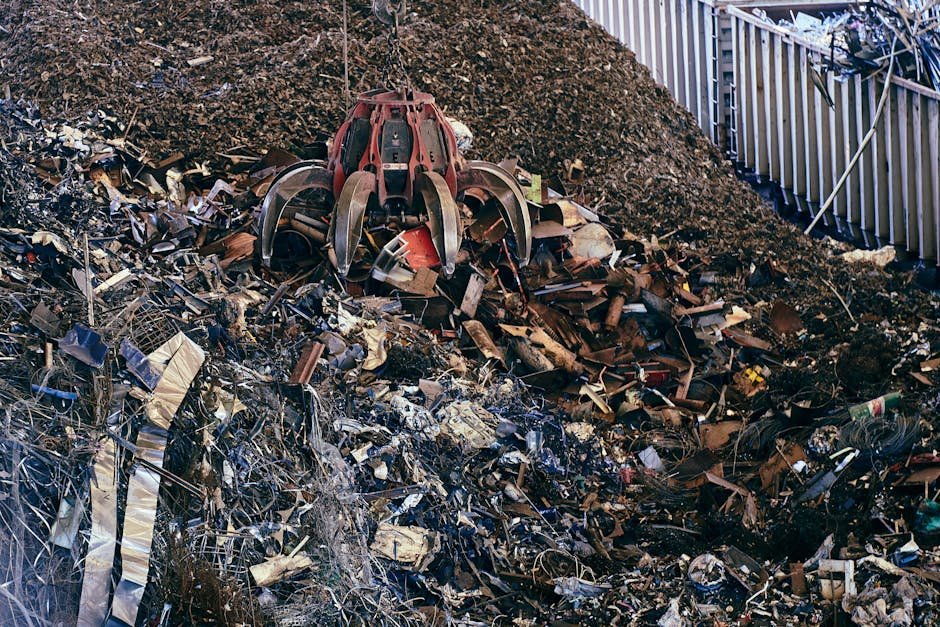

Scrap metal Goulburn plays a critical role in Australia’s circular economy. From industrial waste to household metal scraps, understanding grades, recycling processes, and environmental impacts is essential for businesses and individuals. This guide provides an in-depth analysis of metal types, best practices for recycling, and why Goulburn remains a strategic hub for sustainable metal recovery. Whether you’re looking to sell scrap metal near me in 2026 or explore scrap metal recycling near me, this resource equips you with actionable insights.
Grades of Scrap Metal in Goulburn
Scrap metal Goulburn traders classify materials into two primary categories: ferrous and non-ferrous metals. Ferrous metals, such as steel and iron, contain iron and are magnetic. They dominate industrial applications due to their durability. Non-ferrous metals, including copper, aluminum, and brass, are corrosion-resistant and ideal for electrical and aerospace industries. Accurate grading ensures optimal recycling efficiency and value.
- Ferrous Metals: Common types include construction steel (rebar, beams), automotive parts, and machinery. Prices fluctuate based on global iron ore demand. Metal scrap rates for ferrous materials in Goulburn averaged $150–$250 per tonne in 2025.
- Non-Ferrous Metals: Copper and aluminum are the highest-value categories. Copper, used in wiring and plumbing, commands $7–$12/kg, while aluminum (from beverage cans to automotive parts) sells for $2–$4/kg. Hawkesbury scrap metal traders report similar pricing trends for regional non-ferrous grades.
How the Recycling Process Works in Goulburn
Recycling scrap metal Goulburn involves four stages: collection, processing, melting, and redistribution. Local recyclers partner with Scrap Trade platforms to streamline operations and comply with Australian environmental regulations.
- Collection: Businesses and households deliver scrap to certified facilities. Scrap metal recycling near me services offer free pickups for large quantities.
- Sorting: Advanced sensors distinguish between ferrous and non-ferrous metals. Contaminants like plastics and rubber are removed via shredding or magnetic separation.
- Melting: Ferrous metals are processed in blast furnaces, while non-ferrous metals use electric arc furnaces. Goulburn’s scrap metal prices reflect energy costs for this stage.
- Reforming: Recycled metal is cast into ingots or coils for reuse in manufacturing. ScrapTrade.com.au tracks regional demand for reformed materials.
Environmental Benefits of Recycling Scrap Metal
Recycling scrap metal Goulburn reduces the need for raw ore extraction, which causes habitat destruction and toxic runoff. Key benefits include:
- Energy Savings: Producing recycled aluminum uses 95% less energy than primary aluminum smelting. Steel recycling saves 60% of the energy required for new steel.
- Carbon Emission Reduction: The Australian recycling industry prevents 14 million tonnes of CO₂ annually by avoiding mining and refining processes.
- Resource Conservation: Recycling 1 tonne of copper saves 14 kg of chemicals and 68 gallons of water compared to mining.
Selling Scrap Metal in Goulburn: Tips to Maximize Value
To get the best returns, follow these expert tips:
- Sort and Clean Metal: Remove contaminants like oil or chemicals. Clean metal fetches higher prices, especially for non-ferrous grades.
- Check Market Trends: Monitor scrap metal prices for seasonal fluctuations. Copper prices peak during construction season (March–September).
- Use a Reputable Broker: Partner with licensed scrap metal dealers who offer transparent pricing and secure transportation.
Market Trends and Economic Impact
Goulburn’s scrap metal industry supports over 300 local jobs and contributes $45 million annually to the regional economy. Demand for electric vehicle (EV) battery metals like lithium and nickel is driving innovation in recycling technology. Metal scrap rates for EV components are projected to rise 15% by 2027, creating new opportunities for residents and businesses.
Community and Regulatory Framework
Scrap metal Goulburn operations must adhere to the National Environment Protection (Used Packaging Materials) Measure and NSW Environment Protection Authority guidelines. These regulations ensure safe handling of hazardous materials and prevent illegal dumping. Certified recyclers like ScrapTrade.com.au provide compliance training for small-scale sellers.
Future Outlook for Scrap Metal Recycling
Technological advancements, such as AI-driven sorting systems and blockchain-based tracking, are transforming the industry. Goulburn is poised to adopt these innovations, improving transparency and efficiency. By 2030, experts predict a 30% increase in non-ferrous metal recycling rates due to stricter environmental policies and consumer awareness.
Conclusion
Scrap metal Goulburn is a cornerstone of sustainable development. By understanding grades, recycling processes, and market dynamics, individuals and businesses can contribute to a greener future while maximizing financial returns. For real-time pricing, local recycling options, and industry insights, visit Scrap Trade and explore ScrapTrade.com.au for expert guidance.
Frequently Asked Questions
What is the best time to sell scrap metal in Goulburn?
Peak demand for non-ferrous metals like copper and aluminum occurs during construction seasons (March–September). Monitor scrap metal prices for optimal timing.
How does recycling scrap metal benefit the environment?
Recycling reduces energy consumption by 50–70% compared to producing new metal. It also prevents 2.5 million tonnes of CO₂ emissions annually in NSW alone.
What types of metal scrap can I sell in Goulburn?
Common recyclables include steel appliances, copper wiring, aluminum cans, brass fittings, and automotive parts. Avoid selling hazardous materials without proper documentation.
How do I prepare scrap metal for sale?
Clean metal to remove dirt and chemicals. Sort ferrous and non-ferrous types separately. Contact local scrap metal dealers for pickup or drop-off instructions.
Frequently Asked Questions
What is the best time to sell scrap metal in Goulburn?
Peak demand for non-ferrous metals like copper and aluminum occurs during construction seasons (March–September). Monitor scrap metal prices for optimal timing.
How does recycling scrap metal benefit the environment?
Recycling reduces energy consumption by 50–70% compared to producing new metal. It also prevents 2.5 million tonnes of CO₂ emissions annually in NSW alone.
What types of metal scrap can I sell in Goulburn?
Common recyclables include steel appliances, copper wiring, aluminum cans, brass fittings, and automotive parts. Avoid selling hazardous materials without proper documentation.
How do I prepare scrap metal for sale?
Clean metal to remove dirt and chemicals. Sort ferrous and non-ferrous types separately. Contact local scrap metal dealers for pickup or drop-off instructions.