
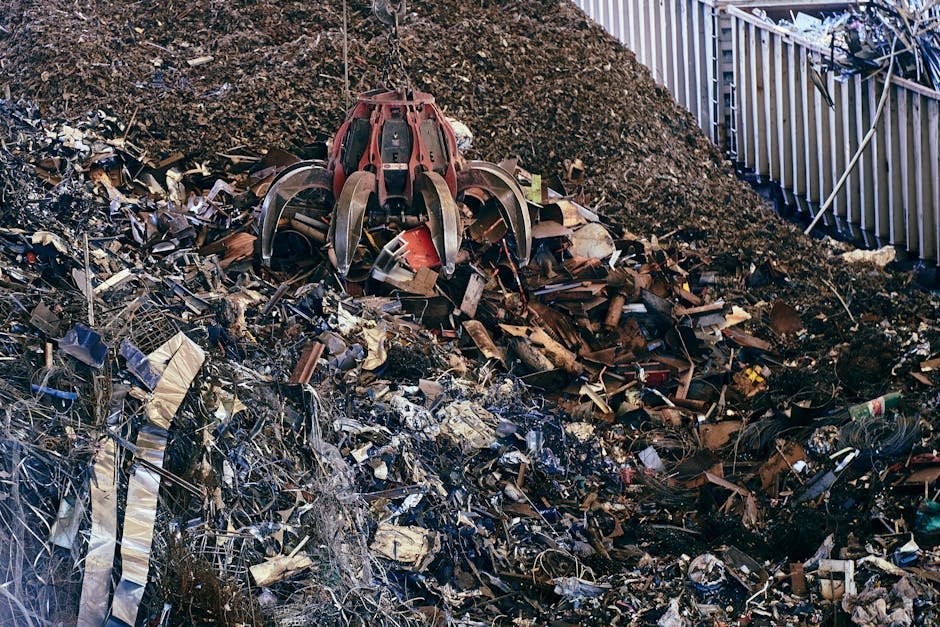

Scrap metal recycling Ingleburn plays a critical role in Australia’s circular economy by transforming discarded materials into reusable resources. This guide examines the grades of scrap metal, the recycling process, environmental impacts, and how Ingleburn residents and businesses can participate effectively.
Grades of Scrap Metal in Recycling
Scrap metal is categorized into grades based on composition, purity, and use. Understanding these grades ensures efficient recycling and optimal material recovery:
- Ferrous Metals: Contain iron, including steel, iron, and alloys like cast iron. Ferrous scrap accounts for 75% of global recycling due to its abundance and magnetic properties.
- Non-Ferrous Metals: Non-magnetic metals such as aluminum, copper, brass, and stainless steel. These are valued for high recycling premiums and energy efficiency in processing.
- Heavy Scrap: Includes large items like vehicles, machinery, and structural steel. Requires specialized equipment for shredding and sorting.
- Light Scrap: Smaller items like appliances, cans, and wire. Often baled for transport and processed in bulk.
- Shredded Metal: Post-processing material from shredders, requiring further separation into ferrous and non-ferrous fractions.
For example, scrap metal recycling near me services in Ingleburn may offer higher payouts for clean, sorted non-ferrous metals like copper wiring or aluminum cans.
How Scrap Metal Recycling Works
The recycling process involves five stages, ensuring metals are repurposed sustainably:
- Collection: Scrap is gathered from demolition sites, manufacturing plants, or households via roll-off trucks or skip bins.
- Sorting: Magnetic separators, X-ray fluorescence (XRF) scanners, and manual labor differentiate ferrous and non-ferrous metals.
- Shredding: Heavy machinery reduces bulk items into smaller fragments, increasing surface area for melting.
- Smelting: Metals are melted in blast furnaces or electric arc furnaces, removing impurities to create raw materials.
- Reprocessing: Melted metal is cast into ingots or sheets for industries like construction, automotive, or electronics.
Advanced facilities in Ingleburn use AI-driven optical sorters to identify alloys like scrap metal Ingleburn with precision, minimizing contamination.
Environmental Benefits of Recycling Scrap Metal
Recycling metals reduces environmental harm in three key ways:
- Energy Savings: Recycling aluminum uses 95% less energy than producing new aluminum from bauxite ore.
- Landfill Reduction: In Australia, 70% of construction waste is metal-based; recycling prevents 30 million tons of scrap from entering landfills annually.
- Greenhouse Gas Reduction: Recycling steel cuts CO2 emissions by 58% compared to virgin production, according to the Australian Recycling Industry Council.
For instance, scrap metal recycling Bankstown programs have diverted 12,000 tons of ferrous metals from landfills since 2020.
Scrap Metal Recycling in Ingleburn: Local Context
Ingleburn’s industrial base and proximity to Sydney make it a hub for scrap processing. Key initiatives include:
- Commercial Recycling: Manufacturing plants in Ingleburn Park partner with recyclers to repurpose metal offcuts, reducing production costs by up to 20%.
- Household Participation: Residents can drop off items like old radiators or copper pipes at scrap metal recycling near me depots, earning cash or tax deductions.
- Government Incentives: NSW’s Recycle Less, Reuse More campaign offers rebates for businesses adopting closed-loop systems.
Compare this to scrap trading vs. recycling business models, where trading focuses on reselling raw materials, while recycling emphasizes processing for reuse.
Practical Tips for Recycling Scrap Metal
Maximize efficiency and profitability with these strategies:
- Sort Before Selling: Separate ferrous and non-ferrous metals to fetch higher rates. A clean copper wire bundle can generate $8–$12/kg.
- Use Certified Recyclers: Verify recyclers have ISO 14001 certification to ensure ethical practices. scrap metal trading platform providers often display compliance data.
- Track Market Prices: Prices fluctuate based on global demand. Monitor platforms like local recycling services for real-time rates.
Future of Scrap Metal Recycling
By 2026, Australia aims to recycle 80% of all metal waste. Innovations like robotic disassembly and blockchain tracking will enhance transparency. Sell scrap metal near me in 2026 will become even easier with AI-powered apps that estimate payouts instantly.
Conclusion
Scrap metal recycling Ingleburn is vital for environmental sustainability and economic resilience. By understanding grades, recycling processes, and local resources, individuals and businesses can contribute to a greener future. Whether trading or recycling, every scrap metal contributes to a smarter, cleaner Australia.
Frequently Asked Questions
What metals can be recycled in Ingleburn?
Ingleburn recyclers accept ferrous (iron, steel) and non-ferrous (aluminum, copper) metals, along with electronics and vehicle parts. Always check with your provider for specific guidelines.
How much do recyclers pay for scrap metal?
Pricing varies by type: ferrous metals range from $0.10–$0.30/kg, while non-ferrous metals like copper can reach $8–$15/kg. Use online price trackers for current rates.
Is recycling scrap metal tax-deductible?
Businesses can claim deductions for recycling costs through the Australian Business Register. Individuals may receive tax-free payments for household scrap recycling.
How to start a scrap metal recycling business in Australia?
Secure a location, obtain licenses for waste handling, invest in sorting equipment, and partner with smelters. Research scrap trading vs. recycling business models to choose your niche.
Frequently Asked Questions
What metals can be recycled in Ingleburn?
Ingleburn recyclers accept ferrous (iron, steel) and non-ferrous (aluminum, copper) metals, along with electronics and vehicle parts. Always check with your provider for specific guidelines.
How much do recyclers pay for scrap metal?
Pricing varies by type: ferrous metals range from $0.10–$0.30/kg, while non-ferrous metals like copper can reach $8–$15/kg. Use online price trackers for current rates.
Is recycling scrap metal tax-deductible?
Businesses can claim deductions for recycling costs through the Australian Business Register. Individuals may receive tax-free payments for household scrap recycling.
How to start a scrap metal recycling business in Australia?
Secure a location, obtain licenses for waste handling, invest in sorting equipment, and partner with smelters. Research scrap trading vs. recycling business models to choose your niche.