
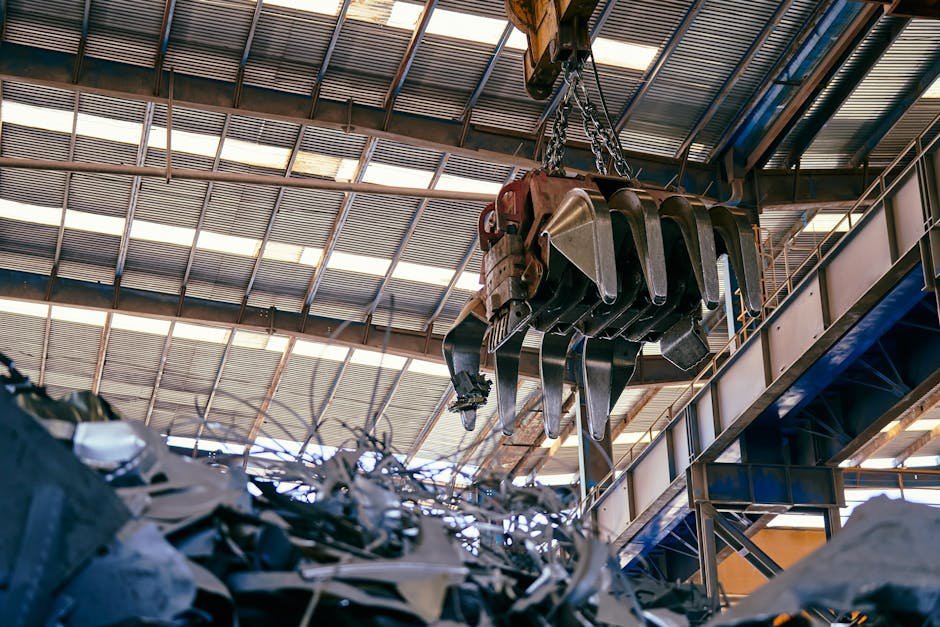

Scrap iron buyers play a critical role in Australia’s circular economy. Whether you’re a business owner disposing of industrial waste or an individual selling old metal, understanding the market dynamics, grades, and recycling processes is essential. This guide covers everything from pricing trends to trusted buyers and environmental benefits, ensuring you make informed decisions in 2024.
1. Where to Find Trusted Scrap Iron Buyers in Australia
Identifying reliable scrap iron buyers begins with understanding your options. Local recycling centers, international exporters, and specialized ferrous scrap processors are the primary categories. For domestic buyers, platforms like Scrap Trade connect sellers with vetted Australian recyclers. International buyers, on the other hand, require due diligence: review How To Find Overseas Scrap Buyers for strategies to secure contracts with global markets like China or India.
1.1 Local vs. International Buyers
- Local buyers: Ideal for quick transactions, often paying cash for ferrous scrap. Examples include Iron Scrap Group and regional hubs like Sydney Ferrous Recycling.
- International buyers: Offer competitive rates for bulk shipments. Research via How To Attract International Scrap Buyers to optimize your outreach.
2. Understanding Scrap Iron Grades and Types
Scrap iron buyers categorize materials into grades based on purity, size, and usability. The primary types include:
2.1 Cast Iron
Derived from molten iron poured into molds, cast iron is dense and often used in engine components. Buyers pay 10-20% less than wrought iron due to higher processing costs.
2.2 Wrought Iron
Known for its malleability, wrought iron is ideal for ornamental work. Its low impurity levels make it valuable for high-strength applications, commanding premium prices.
2.3 Ferrous Scrap
The umbrella term for iron-containing materials, ferrous scrap includes steel, iron, and alloys. Pricing varies by grade: iron price per kg for ferrous scrap averaged $0.35–$0.55/kg in Q3 2024, per the Australian Recycling Industry Council.
3. Scrap Iron Pricing: Factors and Trends
The iron price per kg fluctuates based on global demand, transportation costs, and material quality. Key pricing influencers include:
3.1 Market Demand
Steel mills in China and India drive demand, while domestic infrastructure projects boost prices. Monitor Scrap Trade Australia for real-time updates.
3.2 Material Purity
Contaminated scrap (e.g., mixed with copper or plastic) fetches 30-40% less. Use a magnet to separate ferrous from non-ferrous materials before selling.
3.3 Bulk vs. Small-Scale Sales
Bulk sellers (e.g., demolition contractors) secure better rates than individuals. Combine materials with others to maximize volume.
4. The Scrap Iron Recycling Process
Recycling scrap iron involves four stages:
- Collection: Buyers transport scrap to warehouses.
- Sorting: Ferrous and non-ferrous metals are separated using magnets.
- Shredding: Large items are broken down into uniform pieces.
- Smelting: Reconstituted into new products like steel beams or car parts.
Choose recyclers certified under ISO 14001 to ensure ethical practices.
5. Environmental Benefits of Recycling Scrap Iron
Recycling iron saves 60% of energy required to produce new iron from ore, per the Australian Government. Key benefits include:
- CO2 Reduction: 1 tonne of recycled iron avoids 1.5 tonnes of CO2 emissions.
- Landfill Diversion: Australia recycles 90% of ferrous scrap, reducing waste by 5 million tonnes annually.
- Resource Conservation: Recycling 1 tonne of iron preserves 2.5 tonnes of iron ore and 1.5 tonnes of coal.
6. How to Choose a Trusted Scrap Iron Buyer
Verify credentials with these steps:
- AFL Licence: Mandatory for commercial scrap metal dealers in Australia.
- Trusted Reviews: Check platforms like Iron Scrap Buyers for customer feedback.
- Transparent Pricing: Reputable buyers provide instant quotes based on weight and grade.
7. Practical Tips for Selling Scrap Iron
- Prepare Materials: Remove non-metal components (e.g., wires, paint) to increase value.
- Negotiate Rates: Compare 3-5 quotes before finalizing a sale.
- Track Market Trends: Use Scrap Trade to monitor iron price per kg fluctuations.
8. The Future of Scrap Iron Markets in Australia
With the 2030 National Waste Policy Action Plan, Australia aims to recycle 80% of ferrous scrap by 2030. Emerging opportunities include:
- Green Steel Projects: Companies like Fortescue are investing in iron scrap-based steelmaking.
- Technological AdvancementsAI-powered sorting systems improve efficiency in recycling facilities.
- Export Growth: India’s steel demand is projected to increase by 5% annually, boosting Australian exports.
9. Case Study: A Small Business’s Success with Scrap Iron Sales
“We sold 20 tonnes of cast iron from our manufacturing floor to Iron Scrap Group last year, earning $8,500. Their transparent pricing and fast turnaround made the process seamless,” says John Miller, owner of Sydney Metalworks. “Their compliance with environmental standards gave us confidence in the recycling chain.”
10. Frequently Asked Questions (FAQs)
What factors determine the iron price per kg?
Global steel demand, transportation costs, and material purity directly affect pricing. Monitor Scrap Trade for real-time updates.
How do I find a trusted scrap buyer?
Check for AFL licensing, read reviews on Iron Scrap Buyers, and request multiple quotes to compare rates.
Can I sell scrap iron internationally?
Yes, but follow How To Find Overseas Scrap Buyers to navigate export regulations and secure contracts.
What are the environmental benefits of recycling iron?
Recycling reduces CO2 emissions by 58% compared to producing iron from ore, as reported by the Australian Government.
Related: scrap copper buyers
Frequently Asked Questions
What factors determine the iron price per kg?
Global steel demand, transportation costs, and material purity directly affect pricing. Monitor https://scrap.trade for real-time updates.
How do I find a trusted scrap buyer?
Check for AFL licensing, read reviews on https://scrap.trade/iron-scrap-buyers-trusted-dealers-prices-process-guide/, and request multiple quotes to compare rates.
Can I sell scrap iron internationally?
Yes, but follow https://scrap.trade/how-to-find-overseas-scrap-buyers/ to navigate export regulations and secure contracts.
What are the environmental benefits of recycling iron?
Recycling reduces CO2 emissions by 58% compared to producing iron from ore, as reported by the Australian Government.