
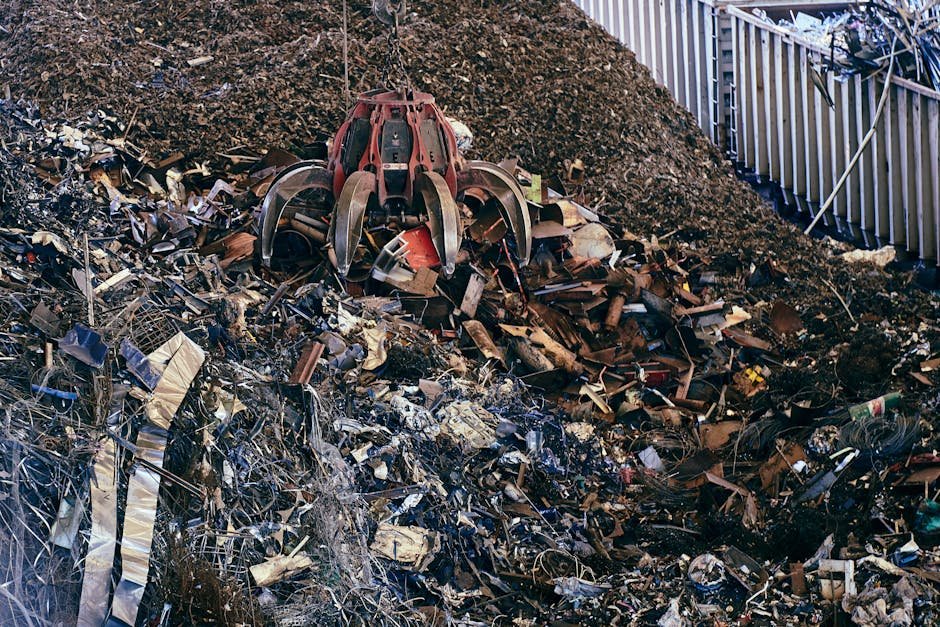

Ingleburn scrap metal plays a vital role in Australia’s circular economy by transforming discarded materials into reusable resources. From industrial facilities to residential scrap collections, Ingleburn’s recycling infrastructure ensures metals like steel, copper, and aluminum are processed efficiently, reducing environmental harm and supporting industrial growth. This guide provides an in-depth look at the grades of scrap metal available in Ingleburn, the recycling process, and the environmental benefits of sustainable practices.
Overview of Ingleburn Scrap Metal Recycling
Ingleburn, a key logistics hub in New South Wales, has emerged as a central location for scrap metal recycling. The region’s strategic positioning near heavy industries and transport networks facilitates the collection and processing of scrap metal on a large scale. Scrap metal recycling in Ingleburn not only supports local economic activity but also aligns with Australia’s broader environmental goals. By diverting waste from landfills and reducing the demand for raw material extraction, Ingleburn’s recycling operations contribute to national carbon reduction targets.
Grades of Scrap Metal in Ingleburn
The scrap metal ingleburn market includes a wide range of materials, categorized primarily into ferrous and non-ferrous metals. Understanding these grades is essential for both industrial clients and individual sellers looking to maximize value.
Ferrous Metals
- Steel: The most recycled material globally, steel accounts for over 90% of Ingleburn’s ferrous scrap volume. Grades include construction debris, machinery parts, and automotive components.
- Cast Iron: Commonly sourced from industrial equipment and foundry waste, cast iron requires specialized processing due to its high carbon content.
Non-Ferrous Metals
- Copper: High-value copper scrap from wiring, plumbing, and electronics is in constant demand due to its conductivity and durability.
- Aluminum: Lightweight and corrosion-resistant, aluminum scrap from beverage cans, vehicle parts, and construction materials is highly recyclable.
- Brass and Bronze: Alloys of copper and other elements, often sourced from plumbing fixtures and industrial machinery.
Precious metals like gold and silver also exist in electronic waste (e-waste) streams, though these require advanced separation techniques. For detailed pricing and market trends, visit Scrap Metal Prices.
The Recycling Process in Ingleburn
Scrap metal recycling Ingleburn follows a structured process to ensure efficiency and safety. Here’s a step-by-step breakdown:
1. Collection and Sorting
Scrap is collected from demolition sites, manufacturing plants, and residential properties. Initial sorting separates ferrous and non-ferrous metals using magnets and manual inspection. Contaminants like plastics and wood are removed to avoid processing inefficiencies.
2. Processing Techniques
- Shredding: Large items like vehicles and appliances are shredded into smaller pieces for easier handling.
- Smelting: Metals are melted at high temperatures to remove impurities and prepare them for reformation.
3. Repurposing and Distribution
Processed metals are transformed into new products, such as construction rebar, vehicle parts, and packaging. Ingleburn’s recycling facilities partner with manufacturers to ensure a steady supply chain. For more on local recycling options, visit Scrap Metal Recycling Near Me.
Environmental Benefits of Scrap Metal Recycling
Recycling ingleburn scrap metal significantly reduces environmental degradation compared to extracting and refining virgin materials. Key benefits include:
- Energy Savings: Recycling aluminum uses 95% less energy than producing new aluminum from bauxite ore.
- CO2 Reduction: Every ton of recycled steel saves 1.5 tons of CO2 emissions compared to traditional steelmaking.
- Landfill Diversion: In 2023, Ingleburn’s recycling efforts diverted over 50,000 tons of metal waste from landfills, preventing soil and water contamination.
By participating in scrap metal recycling Ingleburn, individuals and businesses contribute to a circular economy that minimizes resource depletion and pollution. For a comprehensive view of Australia’s recycling initiatives, visit ScrapTrade.com.au.
Practical Tips for Selling Scrap Metal in Ingleburn
Selling scrap metal in Ingleburn can be lucrative if done strategically. Follow these tips to maximize returns:
- Prepare Your Scrap: Remove non-metal components like plastic and glass to increase purity and value.
- Check Market Prices: Use platforms like Scrap Metal Prices to stay updated on current rates for different metal grades.
- Choose Reputable Buyers: Partner with licensed recyclers who provide fair pricing and transparent processes. For local options, search Sell Scrap Metal Near Me In 2026.
Industry Insights: The Future of Ingleburn Scrap Metal
The scrap metal industry in Ingleburn is evolving with technological advancements and regulatory changes. Innovations like AI-driven sorting systems and blockchain-based tracking are improving efficiency and transparency. Additionally, Australia’s 2030 Recycling Industry Strategy aims to increase the national recycling rate to 80%, further boosting demand for Ingleburn’s recycling services. For real-time market updates, visit Scrap.Trade.
Community and Economic Impact
Scrap metal recycling in Ingleburn supports local employment, with over 500 jobs in processing, logistics, and facility operations. The industry also stimulates economic growth by reducing material costs for manufacturers. By fostering partnerships between recyclers and industries, Ingleburn demonstrates how sustainable practices can drive profitability and community well-being.
Related: scrap metal ingleburn
Related: scrap metal recycling ingleburn
Frequently Asked Questions
What are the most common scrap metal grades in Ingleburn?
Ingleburn’s recycling facilities process a mix of ferrous metals like steel and cast iron, along with non-ferrous metals such as copper, aluminum, brass, and bronze. Ferrous metals dominate due to their abundance in construction and automotive sectors.
How does recycling scrap metal benefit the environment?
Recycling scrap metal reduces energy consumption, lowers greenhouse gas emissions, and prevents landfill waste. For example, recycling aluminum saves 95% of the energy required to produce new aluminum from raw materials.
What should I consider before selling scrap metal in Ingleburn?
Ensure your scrap is clean and categorized by metal type. Research current prices using tools like Scrap Metal Prices, and choose licensed recyclers to avoid fraud and maximize returns.
Are there any regulations for scrap metal recycling in Australia?
Yes, the National Waste Policy and state-specific laws govern scrap metal recycling. Recyclers must comply with environmental standards, and some metals require permits due to their hazardous properties, such as lead or mercury contamination.