
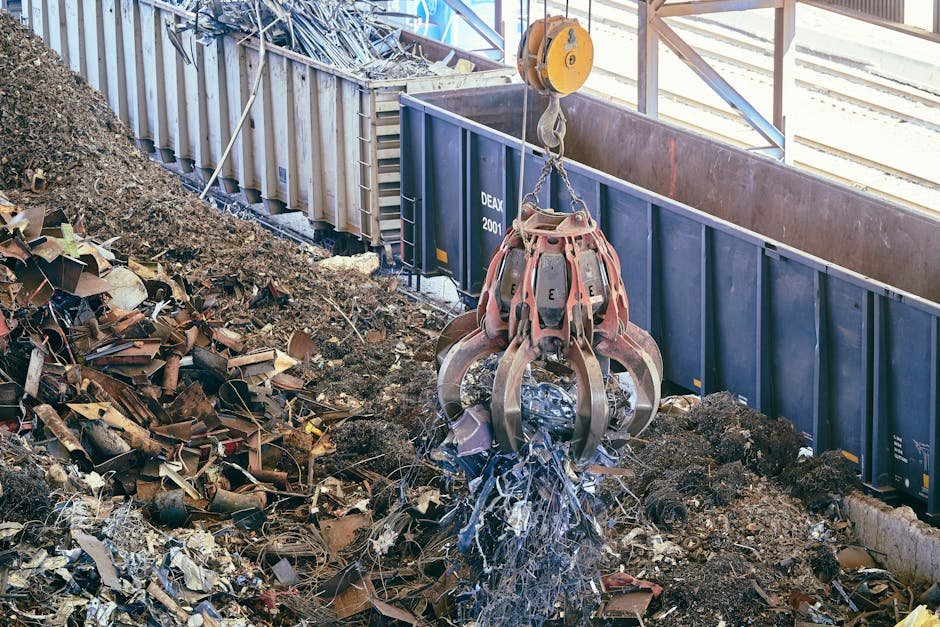

Understanding current metal recycling prices is essential for businesses and individuals involved in the Australian metal recycling industry. Prices are influenced by a complex interplay of global markets, transportation costs, and local demand. This guide breaks down how metal recycling rates are determined, the factors that impact price per kg or price per tonne, and how to navigate the market to maximize returns.
Overview of the Australian Metal Recycling Market
Australia’s metal recycling sector is a cornerstone of the circular economy, processing millions of tonnes of ferrous and non-ferrous metals annually. The Scrap Trade platform reported a 12% increase in metal recycling activity in 2023 compared to 2022, driven by infrastructure projects and sustainability initiatives. Key metals like steel, copper, aluminium, and stainless steel dominate the market, with prices tracked daily on Current Scrap Metal Prices.
How Are Metal Recycling Prices Determined?
1. London Metal Exchange (LME) Benchmarks: Global pricing for scrap metals is heavily influenced by the LME. Australian recyclers often use LME rates as a baseline, adjusting for freight, processing, and currency exchange rates.
2. Metal Type and Purity: Ferrous metals (iron-based) like steel are priced lower per kg than non-ferrous metals (copper, aluminium). For example, current scrap prices for copper typically range from $8,500–$10,000 per tonne in 2024, while steel averages $150–$300 per tonne.
3. Local Supply and Demand: Regional factors, such as proximity to smelters or construction projects, affect market rate volatility. Current scrap metal prices Sydney may differ by 10–15% from regional markets due to transportation costs and urban demand.
Key Factors Affecting Metal Recycling Prices
- Global Economic Conditions: China’s infrastructure spending accounts for 40% of global metal demand, making its economic health a key price driver.
- Government Policies: Australian environmental regulations, such as the National Waste Policy, incentivize recycling and impact industry margins.
- Technological Advances: Innovations in metal sorting and processing reduce costs, improving price per kg competitiveness for recyclers.
Current Market Rates for Common Metals (2024)
| Metal Type | Price Per Kg (AUD) | Price Per Tonne (AUD) |
|---|---|---|
| Steel (Ferrous) | $0.15–$0.30 | $1,500–$3,000 |
| Copper (Non-Ferrous) | $8.50–$10.00 | $8,500–$10,000 |
| Aluminium | $2.20–$2.80 | $2,200–$2,800 |
| Stainless Steel | $3.00–$4.50 | $3,000–$4,500 |
These rates are sourced from Current Scrap Metal Prices and updated weekly based on LME data and local transactions. Prices can vary by 5–10% depending on metal quality and location.
Practical Tips for Maximizing Scrap Metal Value
1. Separate Metals: Mixed scrapping reduces your payout. Use a magnet to separate ferrous from non-ferrous metals before selling.
2. Check Local Rates: Prices vary significantly. Use Scrap Metal Recycling Near Me to find the best-paying recycler in your area.
3. Time Your Sales: Monitor metal prices today via Scrap Metal Prices before selling large quantities. Selling during peak demand (e.g., construction season) maximizes returns.
Future Outlook for Metal Recycling Prices
Analysts predict a 5–8% increase in current metal recycling prices in 2025 due to rising demand for electric vehicle components and green energy infrastructure. The Australian government’s 2030 Circular Economy Strategy aims to boost recycling rates to 80%, further stabilizing market prices.
How to Stay Informed About Pricing Trends
Subscribe to Scrap Trade’s weekly newsletter for alerts on price changes and industry news. For real-time updates, visit current scrap metal prices.
Environmental and Economic Impacts of Metal Recycling
Recycling 1 tonne of steel saves 1,100 kg of iron ore and 600 kg of coal, reducing carbon emissions by 58%. In 2023, the Australian recycling industry contributed $2.8 billion to the economy, with metal recycling accounting for 45% of that value.
Choosing a Reliable Recycling Partner
When selecting a recycler, prioritize companies with ScrapTrade certification for fair pricing and transparent operations. Avoid unlicensed brokers who may underpay or mishandle materials.
Case Study: Copper Recycling in Western Australia
In 2024, a Perth-based recycler increased their revenue by 22% by specializing in copper cable recovery. They sourced materials from demolition sites, achieved price per kg rates of $10.50, and partnered with smelters in China for bulk sales. Their success highlights the importance of niche specialization and market timing.
Conclusion: Navigating the Metal Recycling Market
Understanding current metal recycling prices requires monitoring global trends, local demand, and processing costs. By leveraging tools like Current Scrap Metal Prices and Scrap Metal Recycling Near Me, you can optimize your returns while supporting Australia’s sustainability goals.
Frequently Asked Questions
How are scrap metal prices determined in Australia?
Scrap metal prices in Australia are influenced by global markets (e.g., London Metal Exchange rates), transportation costs, metal purity, and local supply/demand. Check Scrap Metal Prices for real-time updates.
What’s the average price per kg for copper?
Copper prices range from $8.50–$10.00 per kg in 2024, depending on global demand and local recycler rates. Use current scrap metal prices Sydney for regional comparisons.
How can I get the best rate for my scrap metal?
Separate metals, time your sales during high-demand periods, and use Scrap Metal Recycling Near Me to find competitive local recyclers.
Why do metal recycling prices fluctuate so much?
Fluctuations are driven by global economic conditions, exchange rates, and supply chain disruptions. Monitor Current Scrap Metal Prices for daily updates.