
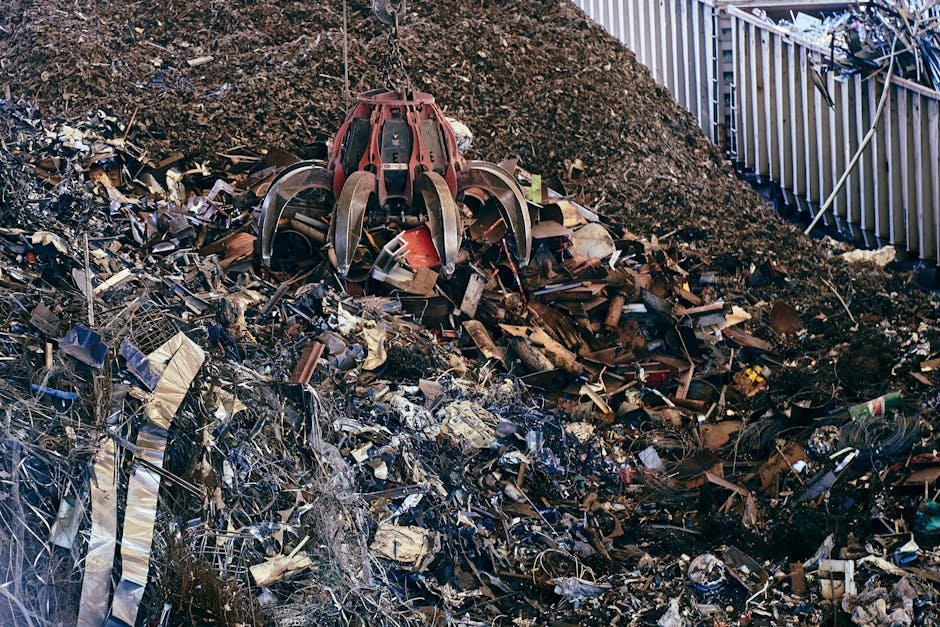

Quick answer: scrap metal seven hills is collected, sorted by grade, melted and reshaped into new products, giving households and businesses a profitable way to reduce waste while cutting greenhouse‑gas emissions.
Why scrap metal seven hills matters to Sydney
Located in the western suburbs of Sydney, the Seven Hills area hosts a surprisingly active metal‑recovery market. From small‑scale DIY renovators to large construction firms, everyone can benefit from turning old bolts, pipes, and appliances into cash. The local demand is driven by nearby steel mills and foundries that rely on a steady supply of clean, graded scrap.
Understanding the grades
Scrap metal is divided into ferrous and non‑ferrous categories, each with sub‑grades that affect price. Below is a quick reference used by most scrap metal recyclers seven hills:
- Ferrous – steel, iron, and alloys (e.g., rebar, cast iron). Common grades: #1 (clean steel), #2 (contaminated steel).
- Non‑ferrous – copper, aluminium, brass, zinc, and lead. Grades include clean copper wire, aluminium cans, and mixed non‑ferrous.
- Specialty items – stainless steel, nickel alloys, and electronic scrap, which command premium rates.
Knowing the grade of your material helps you quote the right Scrap Metal Prices and ensures you get the best return.
How the recycling process works
When you bring material to a local centre, the typical workflow is:
- Weigh and record the load.
- Sort by grade using magnets, shredders, and manual inspection.
- Remove contaminants such as plastics, wood, or hazardous substances.
- Load the clean scrap onto a furnace for melting.
- Cast the molten metal into billets, ingots, or other feedstock for manufacturers.
The entire chain reduces the need for virgin ore extraction, saves energy, and lowers carbon emissions. For a visual guide, visit Scrap Trade where they explain each step in detail.
Getting paid – where to sell
If you’re wondering where to turn your pile of copper pipe or old car parts, start with the online directory of local buyers. Two useful pages are:
- Sell Scrap Metal Near Me In 2026 – a curated list of licensed dealers offering up‑to‑date rates.
- Scrap Metal Recycling Near Me – maps and contact details for drop‑off points in Seven Hills and surrounding suburbs.
Most facilities pay by the kilogram and will issue a receipt for tax purposes. Some even offer scheduled pick‑ups for larger commercial loads.
Environmental and economic benefits
Recycling scrap metal conserves natural resources, reduces landfill pressure, and cuts energy use by up to 95% compared with primary production. In Seven Hills, the cumulative effect translates into fewer truck trips, lower noise, and a healthier community.
On the economic side, the scrap market contributes millions of dollars annually to the local economy. Small businesses can supplement their income, while larger firms meet sustainability targets and avoid costly waste‑disposal fees.
Tips for maximizing your profit
Follow these simple practices to get the best price for your scrap:
- Separate ferrous from non‑ferrous before you arrive.
- Remove any non‑metal attachments (plastic, wood, rubber).
- Keep items clean and dry; wet or oily metal often fetches lower rates.
- Stay informed about daily price fluctuations by checking the Scrap Metal Prices page.
- Build a relationship with a reputable dealer – repeat customers sometimes receive a loyalty bonus.
For more information on the specific market in Seven Hills, see the dedicated page on scrap metal recycling seven hills. It outlines local regulations, accepted items, and contact numbers for the top recyclers.
Ready to start? Visit ScrapTrade Australia for a comprehensive guide to the industry, or head straight to the nearest drop‑off point using the links above.
Frequently Asked Questions
What types of metal can I recycle in Seven Hills?
You can recycle ferrous metals like steel and iron, as well as non‑ferrous metals such as copper, aluminium, brass, and zinc. Specialty items like stainless steel and electronic scrap are also accepted but may require separate handling.
How are scrap metal prices determined?
Prices fluctuate daily based on global commodity markets, the grade of the metal, and local supply and demand. Checking the Scrap Metal Prices page gives the most current rates.
Do I need a licence to sell scrap metal in Sydney?
Individual sellers do not need a licence, but dealers and recyclers must hold a licence from the NSW Environment Protection Authority. Always sell to licensed facilities to ensure compliance.
Can I get my large commercial scrap collected?
Many Seven Hills recyclers offer scheduled pick‑ups for bulk loads. Contact a local dealer in advance, provide details of the material, and arrange a convenient collection time.