
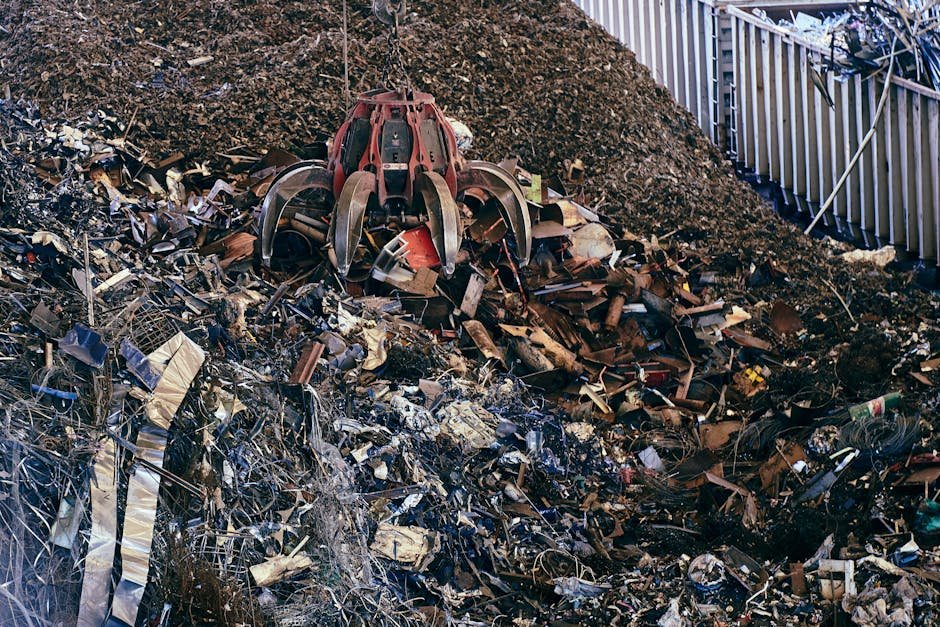

The price of scrap is influenced by a complex mix of global commodity markets, local supply chains, and material grades.
Overview of the Australian Scrap Market
Australia’s scrap metal industry is a $5 billion sector that recycles millions of tonnes of ferrous and non‑ferrous metals each year. The market is driven by construction, automotive, and manufacturing activity, as well as export demand from Asia. Understanding the price per kg and price per tonne of different metals helps both sellers and buyers make informed decisions.
Current scrap prices are published by major brokers, industry associations, and online platforms such as Scrap Trade’s live price board. These figures reflect the market rate at the time of posting and can shift within minutes due to changes in global metal prices, currency fluctuations, or sudden shifts in supply.
How Prices Are Determined
The price of scrap is not a static figure; it is set through a combination of international commodity pricing, local demand, and the quality of the material. The process begins with global benchmarks such as the London Metal Exchange (LME) for copper, aluminium, and nickel. Australian brokers then apply a price per kg spread that accounts for transportation costs, processing fees, and the specific grade of the scrap.
For example, if the LME aluminium price is US$2,300 per tonne, an Australian broker might quote a price per tonne of AUD 1,200 for clean, mixed aluminium scrap after deducting freight, handling, and a margin. The final quote that appears on price boards is often called the market rate for that metal on that day.
Key Factors That Influence the Price per Kg
- Global Commodity Trends: A surge in Chinese steel production can depress the price of ferrous scrap, while a slowdown in construction in the United States can lift aluminium prices.
- Exchange Rates: Because many benchmarks are quoted in US dollars, a strong Australian dollar typically lowers the price per kg for exporters.
- Supply Chain Constraints: Port congestion, rail bottlenecks, or shortages of processing capacity can create regional price spikes.
- Material Purity: Higher grades such as #1 copper or clean stainless steel command premium rates compared with mixed or contaminated loads.
- Regulatory Environment: Changes to export tariffs or environmental levies can add or subtract from the net price received by sellers.
Understanding these drivers enables participants to anticipate price movements and time their transactions for optimal returns.
Grades of Scrap and Their Relative Values
Scrap is categorized by metal type and grade. Below is a concise guide to the most common categories and their typical price ranges (as of early 2026):
- Ferrous Metals: Includes mild steel, cast iron, and re‑rolled steel. Prices range from AUD 300 to AUD 600 per tonne depending on cleanliness.
- Aluminium: Clean, sorted aluminium (often called “aluminium scrap”) fetches between AUD 1,200 and AUD 1,600 per tonne. See the detailed analysis in Aluminum Scrap Price In 2026 and the related aluminium scrap price article.
- Copper: Bare bright copper can exceed AUD 9,000 per tonne, while mixed copper scrap may be half that.
- Stainless Steel: Premium grades such as 304 or 316 stainless steel command AUD 2,500‑AUD 3,000 per tonne. For a deeper dive, read Stainless Steel Scrap Price.
- Precious Metals: Gold‑plated or electronic scrap containing gold, silver, and palladium can be valued on a per‑gram basis, often exceeding AUD 60,000 per kilogram for high‑purity gold.
Each grade’s price reflects the price for scrap metal that processors are willing to pay after accounting for sorting, cleaning, and melting costs.
The Recycling Process: From Collection to Re‑Melting
Recycling begins with collection at demolition sites, factories, or household curb‑side programs. Materials are then sorted using a combination of manual inspection, magnetic separation, and advanced sensor‑based technologies that identify metal type, alloy composition, and contamination levels.
After sorting, the scrap is baled or shredded to reduce volume and improve handling efficiency. The bales are transported to a re‑melting facility where they are melted in electric arc furnaces (for steel) or induction furnaces (for aluminium and copper). The molten metal is then cast into ingots, billets, or continuous cast forms ready for reuse in new products.
Throughout this chain, the price of scrap acts as a financial signal that determines whether material is worth collecting versus sending to landfill. Higher market rates increase the incentive for businesses to invest in better segregation and higher‑grade collection.
Environmental and Economic Benefits of Scrap Recycling
Recycling metal conserves natural resources, reduces greenhouse‑gas emissions, and saves energy. For example, recycling aluminium saves up to 95 % of the energy required to produce primary aluminium from bauxite, translating into a reduction of roughly 12 tonnes of CO₂ per tonne of aluminium recycled.
Ferrous recycling cuts iron ore mining and reduces the need for coke, a major source of CO₂. The Australian government estimates that every tonne of steel recycled avoids about 1.8 tonnes of CO₂ emissions.
Economically, the scrap industry supports over 30,000 jobs nationwide, from collection drivers to furnace operators. The flow of recycled material also stabilises domestic supply chains, reducing reliance on imported raw ores and enhancing national resilience.
Practical Tips for Sellers and Buyers
For Sellers:
- Know your material’s grade and keep it as clean as possible; contamination can reduce the price by 10‑30 %.
- Track daily metal prices today on reputable platforms like Scrap Trade Australia to time your sale.
- Maintain accurate weight records; most processors pay by the tonne, and small measurement errors can cost you hundreds of dollars.
- Build relationships with multiple processors to negotiate better market rates and avoid being locked into a single price.
For Buyers:
- Verify the certification of the supplier; reputable traders will provide a chain‑of‑custody document.
- Consider forward contracts if you need a stable supply; locking in a price per kg can hedge against market volatility.
- Inspect the scrap on‑site before loading; visual checks for rust, oil, or mixed metals can prevent unexpected downgrades.
- Factor in logistics costs; sometimes a slightly higher price per tonne from a closer processor yields a lower total cost.
Both parties benefit from transparent communication and an understanding of how the price of scrap is derived.
Frequently Asked Questions
What is the difference between price per kg and price per tonne? One tonne equals 1,000 kg, so a price of AUD 1,200 per tonne is equivalent to AUD 1.20 per kg. Prices are quoted in both units depending on the volume of the transaction.
How often do current scrap prices change? Prices can fluctuate multiple times a day, reflecting shifts in global commodity markets, exchange rates, and local supply‑demand dynamics.
Why does aluminium scrap price vary so much? Aluminium’s price is highly sensitive to energy costs, Chinese demand, and the purity of the scrap. Clean, sorted aluminium fetches a premium compared with mixed, contaminated loads.
Where can I find the latest market rate for stainless steel scrap? The most reliable source is the dedicated page for Stainless Steel Scrap Price, which updates daily based on broker submissions.
For a broader understanding of the industry, explore What Is Scrap Trade and stay informed about trends that affect the price of scrap across Australia.
Related: price for scrap metal
Frequently Asked Questions
What is the difference between price per kg and price per tonne?
One tonne equals 1,000 kg, so a price of AUD 1,200 per tonne is equivalent to AUD 1.20 per kg. Prices are quoted in both units depending on the volume of the transaction.
How often do current scrap prices change?
Prices can fluctuate multiple times a day, reflecting shifts in global commodity markets, exchange rates, and local supply‑demand dynamics.
Why does aluminium scrap price vary so much?
Aluminium’s price is highly sensitive to energy costs, Chinese demand, and the purity of the scrap. Clean, sorted aluminium fetches a premium compared with mixed, contaminated loads.
Where can I find the latest market rate for stainless steel scrap?
The most reliable source is the dedicated page for Stainless Steel Scrap Price, which updates daily based on broker submissions.