

The scrap steel rate is the price paid by recyclers for ferrous metal that can be re‑processed into new steel products, and it fluctuates with market forces, grade quality, and regional supply‑demand dynamics.
Overview of the Australian Scrap Steel Market
Australia’s scrap steel industry is a cornerstone of the national circular economy, handling millions of tonnes of ferrous metal each year. Major ports such as Melbourne, Sydney, and Brisbane serve as collection hubs where manufacturers, construction sites, and demolition firms deliver sheet metal, mild steel, and other ferrous residues. The Scrap Trade platform aggregates real‑time data, allowing participants to gauge the current scrap steel rate and make informed decisions.
National policies, including the Australian Government’s Recycling Modernisation Fund, incentivise higher recovery rates and stricter contamination controls. As a result, the average annual recovery of steel exceeds 70 %, positioning Australia among the world’s most efficient steel recyclers.
Understanding Scrap Steel Grades and Their Values
Scrap steel is not a monolithic commodity; it is classified into distinct grades that command different prices. The most common grading system in Australia mirrors international standards and includes categories such as:
- Grade A – Clean, uncoated mild steel: Often sourced from sheet metal or structural beams, this grade commands the highest scrap steel rate because it requires minimal processing.
- Grade B – Lightly contaminated steel: Includes minor rust or oil residues; still valuable but priced lower.
- Grade C – Shredded or mixed ferrous metal: Frequently generated by shredding facilities; the price is determined by the proportion of ferrous to non‑ferrous content.
For a detailed breakdown, see the article on Steel Scrap Grading 1 Prepared 2 Prepared Shredded. Understanding these grades helps sellers optimise their scrap steel value and buyers to source material that matches their melt‑shop specifications.
How the Recycling Process Works from Collection to Re‑melting
The recycling chain begins with the collection of ferrous metal at the source. Contractors separate steel from non‑ferrous metals, removing contaminants such as plastics, wood, and hazardous substances. Once collected, the material is transported to a licensed processing facility where it undergoes the following steps:
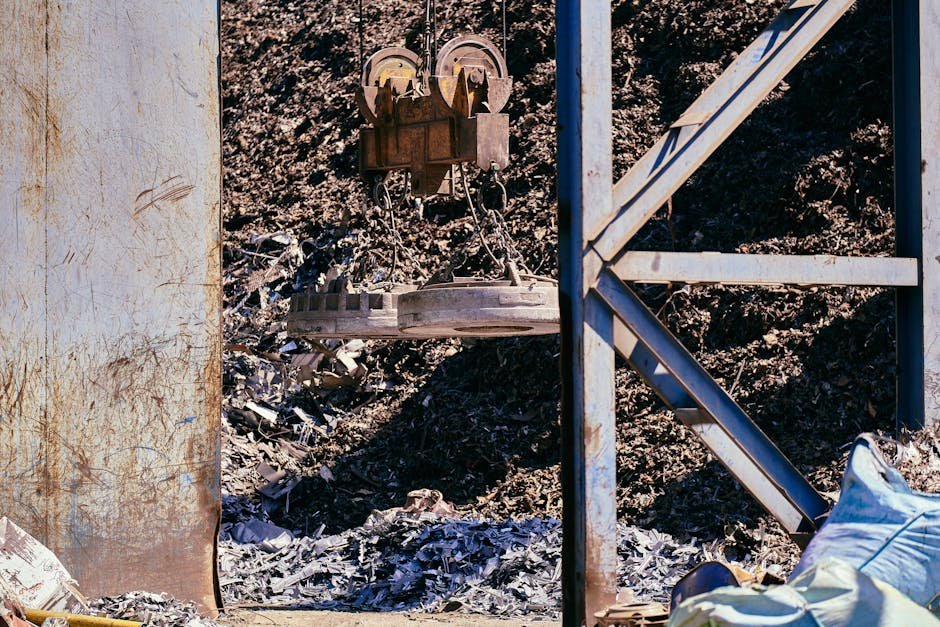
- Sorting and Inspection: Automated magnetic separators isolate ferrous metal, while visual inspections verify grade compliance.
- Shredding: Larger pieces are shredded into uniform fragments to improve furnace efficiency. This stage often produces the “shredded” grade referenced in pricing tables.
- Melting: The shredded steel is loaded into an electric arc furnace (EAF) where it is melted at temperatures exceeding 1,600 °C. The EAF can incorporate up to 30 % scrap steel, reducing the need for virgin iron ore.
- Refining and Casting: Molten steel is refined to achieve desired chemical composition, then cast into billets, slabs, or coils for downstream manufacturers.
Each stage adds value, and the efficiency of the process directly influences the scrap steel rate. For example, higher purity grades reduce furnace energy consumption, allowing recyclers to offer better rates to suppliers.
Environmental Benefits of Steel Recycling
Recycling steel yields profound environmental dividends:
- Energy Savings: Producing steel from scrap uses up to 74 % less energy than primary production from iron ore, translating to lower greenhouse‑gas emissions.
- Resource Conservation: Each tonne of recycled steel saves approximately 1.5 tonnes of iron ore and 1 tonne of coal.
- Landfill Reduction: By diverting ferrous metal from landfills, recycling mitigates soil and water contamination.
- Carbon Footprint: The World Steel Association estimates that global steel recycling avoided 1.5 billion tonnes of CO₂ emissions in 2022 alone.
These benefits are reinforced by Australian legislation that mandates recycling targets for construction and demolition waste, making the scrap steel rate not just an economic indicator but also a barometer of sustainability progress.
Factors Influencing the Scrap Steel Rate and Steel Price per Tonne
Several variables shape the day‑to‑day scrap steel rate:
- Global Steel Price per Tonne: International market indices, such as the London Metal Exchange (LME) steel price, ripple through to Australian rates.
- Domestic Demand: Construction booms in cities like Perth and Brisbane increase demand for high‑grade scrap, lifting rates.
- Currency Fluctuations: A stronger Australian dollar makes imported raw material cheaper, potentially depressing local scrap rates.
- Supply Chain Disruptions: Port congestion or transport bottlenecks can create temporary shortages, driving rates upward.
- Grade Purity: Cleaner grades such as mild steel sheet metal fetch premium prices, while heavily contaminated batches are discounted.
For real‑time pricing, many businesses consult the scrap steel price per kg dashboard, which converts tonne rates into more granular units for small‑scale sellers.
Practical Tips for Sellers and Buyers
For Sellers:
- Segregate grades on‑site: Separate clean mild steel from painted or rusted pieces to qualify for higher rates.
- Maintain documentation: Accurate weigh‑in records and grade certificates build trust with recyclers and can justify premium pricing.
- Stay informed: Monitor platforms like Scrap Trade for daily fluctuations in the scrap steel rate.
- Consider bulk contracts: Long‑term agreements with processors often lock in favourable rates and reduce transaction costs.
For Buyers (Melt‑shops and Manufacturers):
- Verify grade consistency: Request sample analyses to ensure the incoming scrap meets chemical specifications.
- Leverage market data: Use the Stainless Steel Scrap Price as a benchmark for non‑ferrous comparisons.
- Optimise logistics: Consolidate shipments to reduce transport costs, which can be a hidden variable affecting the effective scrap steel rate.
- Invest in pre‑processing: Installing on‑site shredders can upgrade low‑grade material to a higher‑value category, improving overall profitability.
Linking to Global Context: Scrap Rate India and Comparative Insights
While this guide focuses on Australia, understanding international benchmarks provides strategic perspective. For instance, the Scrap Rate India often mirrors global trends but can diverge due to local policy and import tariffs. Comparing these rates helps Australian traders anticipate shifts in global demand that could affect domestic scrap steel rate levels.
Conclusion: Leveraging the Scrap Steel Rate for Sustainable Profitability
The scrap steel rate is more than a price tag; it reflects the health of Australia’s circular economy, the efficiency of recycling operations, and the nation’s commitment to environmental stewardship. By mastering grade distinctions, staying attuned to market drivers, and implementing best‑practice logistics, both sellers and buyers can maximise the Australian scrap metal marketplace opportunities while contributing to a greener future.
Key Takeaways
- Grade purity directly impacts the scrap steel rate; clean mild steel and sheet metal fetch the highest prices.
- Global steel price per tonne, domestic construction demand, and currency strength are primary rate influencers.
- Recycling steel saves up to 74 % energy and reduces CO₂ emissions, underscoring the environmental value of a robust scrap market.
- Utilising platforms like Scrap Trade for real‑time data and linking to resources such as Stainless Steel Scrap Price enhances decision‑making.
Frequently Asked Questions
What determines the current scrap steel rate in Australia?
The scrap steel rate is driven by global steel price per tonne, local demand from construction and manufacturing, grade purity, currency fluctuations, and supply chain conditions.
How can I increase the value of my scrap steel shipments?
Separate clean mild steel from contaminated material, keep accurate weight records, and deliver grades that meet processor specifications to achieve a higher scrap steel value.
Is recycling steel more environmentally friendly than producing new steel?
Yes, recycling steel uses up to 74 % less energy, saves raw ore and coal, reduces landfill waste, and cuts CO₂ emissions dramatically compared with primary steel production.
Where can I find up‑to‑date scrap steel price per kg information?
Live pricing is available on platforms like Scrap Trade, which provide a scrap steel price per kg dashboard updated daily based on market movements.