

Understanding scrap iron metal prices is essential for anyone involved in metal trading, construction demolition, or sustainable waste management in Australia.
Overview of Scrap Iron Metal Prices in Australia
Australia’s scrap iron market is part of a broader ferrous scrap ecosystem that includes cast iron, wrought iron, and various steel grades. Prices are typically expressed as a price per kg or price per tonne, and they reflect the balance between domestic consumption of steel and the availability of recyclable material. According to the latest Current Scrap Metal Prices report, the average iron price per kg in March 2024 ranged from AU$0.80 to AU$1.20, depending on grade and regional demand.
How Prices Are Determined
The pricing mechanism for scrap iron metal prices combines several market signals:
- Global steel indices: Prices on the London Metal Exchange (LME) for hot‑rolled coil and rebar serve as benchmarks.
- Domestic production data: Australian steel mills publish their raw material requirements, influencing local demand.
- Export and import flows: Shipping costs, tariffs, and trade agreements affect the net supply of ferrous scrap.
- Seasonal construction activity: Peaks in residential and infrastructure projects raise the appetite for recycled iron.
These factors are aggregated by price‑setting agencies and published on platforms such as Scrap Metal Prices. Traders often negotiate a spread over the published index to account for transportation, handling, and quality differentials.
Key Factors Influencing the Price per Kg
While global indices provide a baseline, the final price per kilogram that a seller receives can vary widely. The most influential variables include:
- Purity and grade: High‑grade ferrous scrap, such as clean cast iron, commands a premium over mixed or contaminated loads.
- Magnetism: Magnetic scrap is easier to process, often resulting in higher rates.
- Weight and volume: Larger consignments reduce handling costs, allowing processors to offer better rates.
- Location: Proximity to major ports or steel mills influences transportation expenses; this is why Scrap Metal Prices Near Me tools are valuable for local sellers.
- Regulatory environment: Changes in waste‑to‑resource legislation can either tighten supply or open new markets.
Understanding these variables helps stakeholders predict short‑term price movements and negotiate more effectively.
Grades and Types of Iron Scrap
Not all iron scrap is created equal. The primary grades relevant to Australian recyclers are:
- Cast iron: Typically sourced from engine blocks, pipe fittings, and machinery bases. It is dense, non‑magnetic, and often sold at a slight discount to magnetic grades.
- Wrought iron: Rare in modern construction but still encountered in heritage structures. Its low carbon content makes it highly ductile, attracting niche buyers.
- Ferrous scrap: A blanket term covering all iron‑based alloys, including steel. Within this category, processors differentiate between heavy melt (clean, high‑density) and light melt (mixed, lower density).
The scrap iron prices page provides a detailed table of current rates for each grade, helping sellers match their inventory to the most profitable market segment.
The Recycling Process Explained
Recycling scrap iron follows a well‑defined series of steps designed to maximise material recovery while minimising environmental impact:
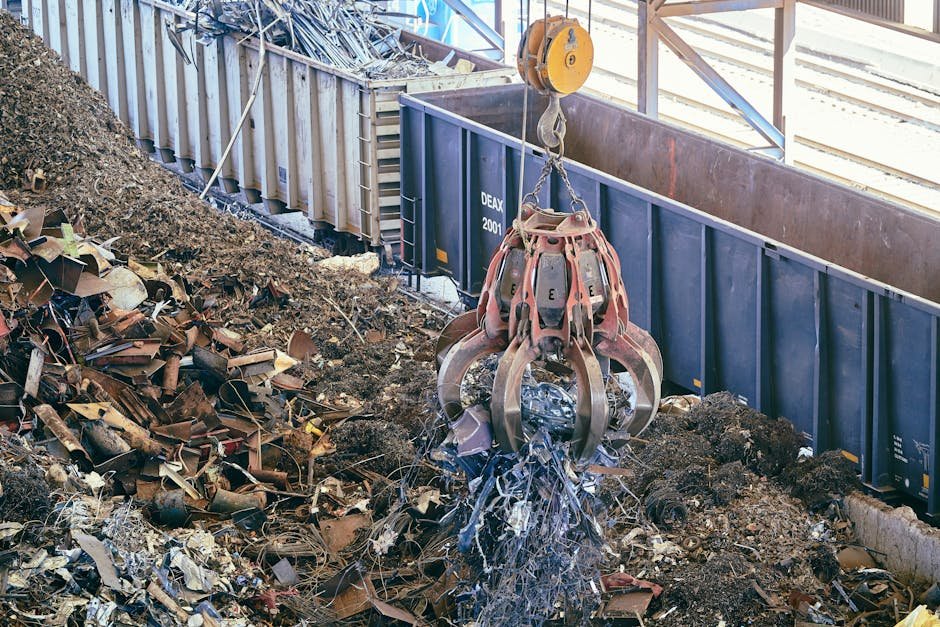
- Collection and segregation: Materials are gathered from demolition sites, industrial off‑cuts, and household waste streams. Magnetic separators remove ferrous from non‑ferrous metals.
- Shredding: Large pieces are broken down to uniform sizes, improving furnace efficiency.
- Cleaning and de‑contamination: Paint, oil, and other contaminants are stripped using mechanical or chemical methods.
- Melting: The cleaned scrap is melted in an electric arc furnace (EAF) or induction furnace. Energy consumption is roughly 30% lower than producing virgin iron from ore.
- Refining and casting: Molten iron is adjusted for composition, then cast into billets, slabs, or ingots for downstream steelmaking.
Each stage adds value, and the cumulative effect is a reduction of up to 1.5 tonnes of CO₂ per tonne of recycled iron compared with primary production.
Environmental and Economic Benefits
Recycling iron offers a dual advantage. Environmentally, it conserves natural resources, reduces landfill pressure, and cuts greenhouse‑gas emissions. Economically, it creates jobs across the supply chain—from collection crews to furnace operators.
- Resource conservation: Recycling recovers up to 95% of the iron content, preserving iron ore reserves.
- Energy savings: The EAF process uses roughly 40% less energy than a blast furnace, translating into lower operating costs for steel producers.
- Carbon footprint: According to the Australian Government’s Department of Industry, recycling one tonne of iron saves approximately 1.5 tonnes of CO₂ equivalents.
These benefits align with Australia’s National Waste Policy, which targets a 70% recycling rate for ferrous metals by 2030.
Practical Tips for Sellers and Buyers
Whether you are a small‑scale scrapper or a large industrial buyer, the following practices can improve profitability:
- Maintain accurate weight records: Use calibrated scales and issue certificates of weight to avoid disputes.
- Separate grades on site: Providing clean, grade‑specific loads reduces processing costs and attracts higher offers.
- Stay informed on market trends: Regularly check Current Scrap Metal Prices and subscribe to industry newsletters.
- Negotiate transportation terms: Consolidating loads for bulk delivery can lower freight charges, especially when shipping to ports for export.
- Leverage digital platforms: Online marketplaces allow you to compare rates from multiple processors in real time.
Buyers should also audit the quality assurance procedures of their suppliers to ensure compliance with Australian standards such as AS/NZS 5601 for metal purity.
Where to Find Real‑Time Prices
For up‑to‑date pricing, the following resources are reliable:
- steel scrap metal prices – a dedicated page for steel‑related ferrous rates.
- Scrap Metal Prices – offers daily updates across all scrap categories.
- Scrap Metal Prices Near Me – geo‑targeted listings for local processors.
- Industry newsletters from the Australian Steel Institute.
- Government publications on commodity market trends.
Visiting the main portal Scrap Trade provides a centralized hub for price tables, market analysis, and contact details for accredited recyclers. For broader corporate information, see the official site ScrapTrade Australia.
Future Outlook for Scrap Iron Metal Prices
Looking ahead, several macro‑level trends will shape the trajectory of scrap iron metal prices:
- Infrastructure investment: The Australian Government’s $110 billion infrastructure plan is expected to boost steel demand, supporting higher scrap prices.
- Green steel initiatives: Projects that substitute electric arc furnaces for blast furnaces will increase the appetite for high‑quality ferrous scrap.
- Global supply chain shifts: Trade tensions and logistics bottlenecks may create regional price disparities, offering arbitrage opportunities.
Stakeholders who monitor these signals and adapt their sourcing strategies will be best positioned to capture value in a dynamic market.
Conclusion
Scrap iron metal prices are a moving target, influenced by global commodity markets, local supply chains, and the intrinsic quality of the material. By understanding how prices are set, recognizing the grades of scrap, and appreciating the environmental dividends of recycling, participants can make informed decisions that enhance profitability while supporting Australia’s sustainability goals.
Frequently Asked Questions
How often do scrap iron metal prices change?
Prices are typically updated daily to reflect shifts in global steel indices, local demand, and supply conditions. Traders should check reliable sources each morning.
What is the difference between cast iron and wrought iron in scrap pricing?
Cast iron is dense, non‑magnetic and often sold at a slight discount, whereas wrought iron has low carbon content, is highly ductile, and commands a niche premium.
Can I sell mixed ferrous scrap and still get a good price?
Mixed scrap can fetch reasonable rates, but separating grades and removing contaminants usually yields higher per‑kg prices and reduces processing fees.
How does recycling scrap iron reduce carbon emissions?
Recycling uses about 30‑40% less energy than primary production, saving roughly 1.5 tonnes of CO₂ per tonne of recycled iron, contributing to national emission targets.