
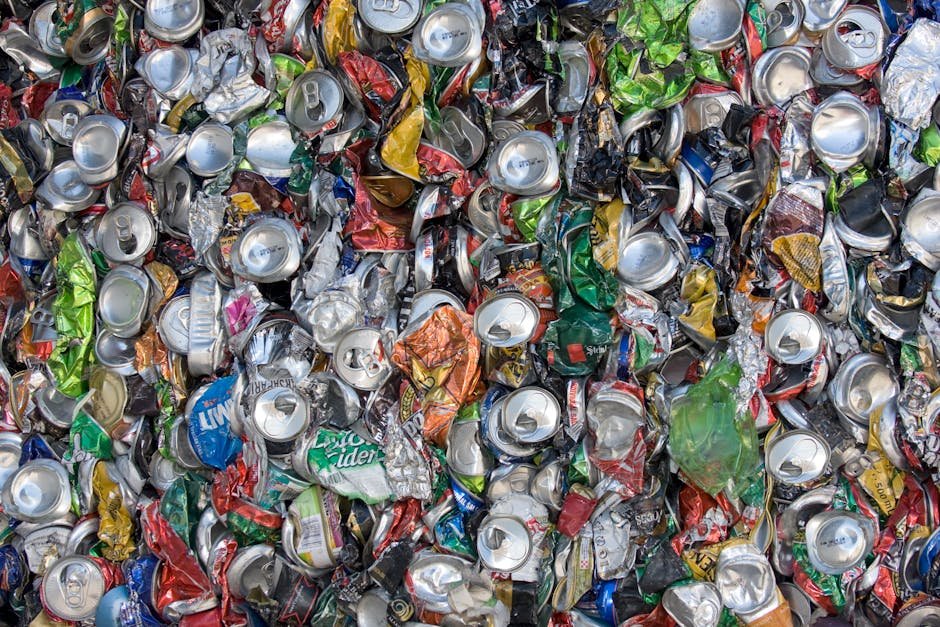

The scrap aluminium price Sydney is a key indicator for manufacturers, recyclers and hobbyists who trade aluminium scrap, extrusion off‑cuts, cans and other ferrous‑free material in the Greater Sydney market. Understanding how this price is calculated, what grades command premiums and how the recycling chain adds value will help you maximise profit and support a circular economy.
Overview of the Scrap Aluminium Market in Sydney
Sydney’s scrap metal industry is one of the most dynamic in Australia, handling over 300,000 tonnes of aluminium each year. The city’s proximity to major ports, a strong construction sector and a thriving beverage industry (which generates millions of aluminium cans annually) create a steady supply of aluminium scrap. Prices are quoted in both price per kg and price per tonne, with daily updates reflecting global commodity trends, currency fluctuations and local logistics costs.
Market participants range from large‑scale processors that melt bulk bauxite‑derived ingots to small‑scale collectors who buy aluminium cans from households. The price you receive depends on the grade of the scrap, its cleanliness, and the volume you can deliver to a licensed recycler.
How Scrap Aluminium Prices Are Determined
Scrap aluminium price Sydney is not set arbitrarily; it follows a transparent methodology that blends international benchmark prices with local supply‑demand dynamics. The main steps are:
- LME Aluminium Index: The London Metal Exchange (LME) publishes a daily aluminium price, which serves as the global reference.
- Conversion to Scrap Premium: Processors add a premium (or discount) to the LME price based on the cost of collection, sorting, and re‑melting. This premium is expressed as a dollar amount per kilogram.
- Domestic Adjustments: Australian dollar exchange rates, freight to ports, and state‑specific recycling fees are applied.
- Grade Differentials: High‑purity grades such as 6061 or 7075 attract higher premiums than mixed alloys or contaminated material.
For a real‑time snapshot of aluminium scrap price sydney, many recyclers post their rates on their websites or through industry newsletters. Tracking these updates helps sellers time their sales for optimal returns.
Key Factors Influencing the Price per Kg
Several variables can swing the scrap aluminium price Sydney up or down within a single trading day:
- Global Aluminium Production: When primary producers increase output, secondary market prices often dip.
- Energy Costs: Aluminium smelting is energy‑intensive; spikes in electricity rates raise the cost of re‑melting, which can be passed onto sellers.
- Seasonal Demand: Construction booms in spring and summer boost demand for extrusions, raising scrap premiums.
- Regulatory Changes: New landfill levies or recycling incentives in New South Wales directly affect the economics of scrap collection.
- Currency Movements: A stronger Australian dollar makes imported primary aluminium cheaper, potentially lowering scrap rates.
Understanding these drivers enables you to anticipate price movements. For a broader view of market trends, consult the Scrap Price Forecast Guide which analyses historical data and predicts future shifts.
Common Grades of Aluminium Scrap and Their Values
Not all aluminium scrap is created equal. Processors categorize material by alloy composition, form and cleanliness. Below is a concise table of the most common grades traded in Sydney, with typical price ranges (price per kg) as of 2024:
| Grade | Description | Typical Price (AU$/kg) |
|---|---|---|
| Aluminium Cans (Mixed) | Clean, rinsed beverage cans, mostly 3003 alloy | 1.70 – 1.90 |
| Aluminium Extrusion (Clean) | Off‑cuts from window frames, doors, structural profiles | 1.90 – 2.20 |
| Aluminium Wire (Stripped) | Electrical wiring stripped of copper | 1.80 – 2.00 |
| Aluminium Sheet (Uncoated) | Flat sheet, free of paint or coatings | 2.00 – 2.30 |
| Mixed Aluminium Scrap | Blend of alloys, may contain minor contaminants | 1.50 – 1.80 |
Higher‑grade material such as aerospace‑grade 7075 commands a premium above $3.00 per kilogram, but these streams are niche and usually sold to specialised processors.
The Recycling Process: From Collection to Re‑melting
Al recycling begins the moment a can is tossed into a curbside bin. The journey to a new product involves several stages:
- Collection & Sorting: Municipal services, private haulers and dedicated scrap yards gather aluminium. Automated optical sorters separate aluminium from other metals and contaminants.
- Cleaning & Baling: Collected material is shredded, washed to remove residues, and compressed into bales for efficient transport.
- Melting: Bales are loaded into a furnace, heated to roughly 660 °C (the melting point of aluminium). Modern furnaces recover up to 95 % of the original metal value.
- Alloy Adjustment: Precise amounts of alloying elements (e.g., magnesium, silicon) are added to achieve the desired composition for downstream casting.
- Casting & Forming: Molten aluminium is cast into ingots, billets or continuous cast forms, ready for extrusion, rolling or machining.
This closed‑loop system reduces the need for virgin bauxite mining and cuts energy consumption by up to 95 % compared with primary production.
Environmental and Economic Benefits of Aluminium Recycling
Recycling aluminium delivers tangible advantages:
- Energy Savings: Re‑melting uses only 5 % of the energy required to produce primary aluminium, translating into lower greenhouse‑gas emissions.
- Landfill Diversion: Each tonne of recycled aluminium prevents roughly 8 tonnes of bauxite ore and 10 tonnes of CO₂ equivalents from entering the environment.
- Job Creation: The Australian recycling sector employs over 8,000 workers, many of whom operate in Sydney’s suburbs.
- Resource Security: By keeping aluminium in circulation, Australia reduces its reliance on imported raw material, strengthening national supply chains.
These benefits align with the Australian Government’s Circular Economy roadmap and reinforce the business case for choosing recycled aluminium in manufacturing.
Practical Tips for Sellers and Buyers in Sydney
Whether you are a small‑scale collector or a large industrial buyer, the following practices help you get the best price and ensure compliance:
- Know Your Grade: Accurately identify the alloy and condition of your scrap. Use a handheld X‑RF analyser if you handle mixed streams.
- Maintain Cleanliness: Remove food residue, paint, and non‑aluminium contaminants. Clean material commands a higher premium.
- Consolidate Volumes: Baling or bundling reduces handling costs and can qualify you for volume‑based price bonuses.
- Stay Informed: Subscribe to daily price bulletins and monitor the scrap aluminium price per kg sydney page for real‑time updates.
- Verify Licences: Trade only with licensed recyclers listed on the NSW Environment Protection Authority’s register.
- Negotiate Transport: Arrange drop‑off schedules that align with the recycler’s furnace runs to avoid demurrage fees.
For exporters, the How To Price Scrap For Export Markets guide outlines how to factor freight, duties and foreign exchange into your quoting process.
Future Outlook and Price Forecast Resources
The aluminium market is entering a period of volatility driven by renewable‑energy mandates, geopolitical tensions and shifting consumer habits. Anticipating these changes can protect your margins.
Key trends to watch include:
- Increased Use of Recycled Content: Automotive manufacturers are committing to 30‑% recycled aluminium in new models, boosting demand for high‑grade scrap.
- Energy‑Transition Policies: Government incentives for low‑carbon production may raise the price of primary aluminium, indirectly lifting scrap rates.
- Digital Trading Platforms: Real‑time pricing tools, such as the Scrap Trade platform, enable faster price discovery and reduce transaction friction.
For a deeper dive into price modelling, explore the Stainless Steel Scrap Price page, which illustrates how similar methodologies apply across metal families.
Finally, keep an eye on the broader economic environment—interest rates, construction activity and consumer confidence—all of which feed into the local scrap aluminium price Sydney.
By staying educated, maintaining high‑quality material, and leveraging trusted market data, you can turn scrap aluminium into a reliable revenue stream while contributing to a greener economy.
For more detailed information about the Australian recycling sector, visit ScrapTrade Australia, the industry’s leading knowledge hub.
Frequently Asked Questions
How often does the scrap aluminium price Sydney change?
Prices are typically updated daily, reflecting shifts in the LME aluminium index, local supply, and energy costs. Some recyclers also adjust rates intra‑day during high‑volume furnace runs.
What is the most valuable grade of aluminium scrap in Sydney?
High‑purity, clean extrusion or sheet material, especially alloys like 6061 and 7075, command the highest premiums, often exceeding $2.30 per kilogram.
Can I sell mixed aluminium cans with other scrap?
Mixed cans are accepted but receive a lower rate than clean, separated cans. Removing food residue and rinsing the cans can improve the price you receive.
How does recycling aluminium reduce environmental impact?
Re‑melting aluminium saves up to 95 % of the energy needed for primary production, cuts greenhouse‑gas emissions, and prevents millions of tonnes of bauxite ore from being mined.