
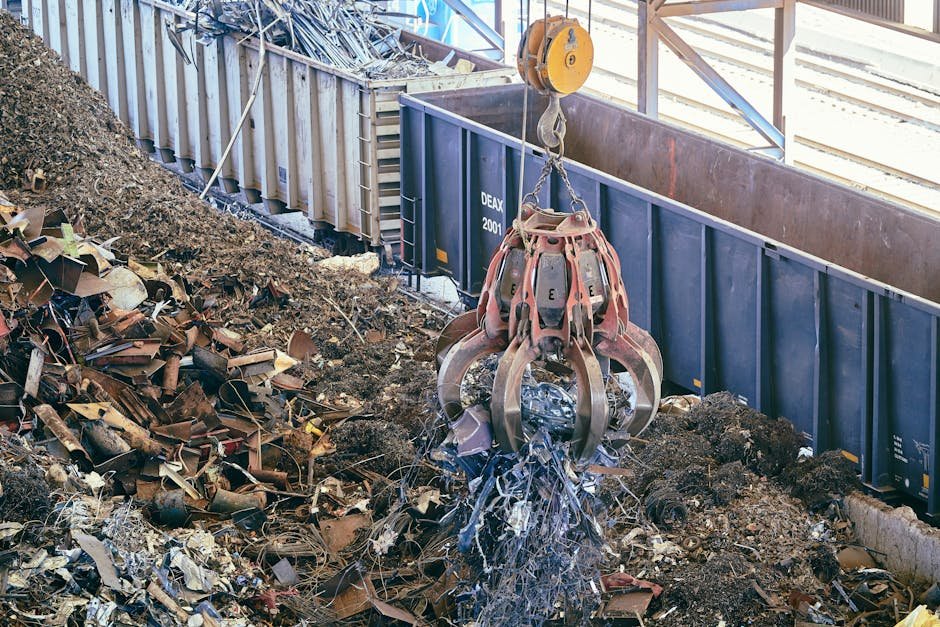

Quick answer: The average 2026 price for scrap iron in Australia sits around $1.20 per kilogram, but exact rates vary by grade, location, and market demand.
Understanding the Australian scrap iron market
Australia processes millions of tonnes of ferrous scrap each year, turning discarded metal into valuable raw material for new production. The Scrap Trade platform tracks daily price movements, giving recyclers and manufacturers real‑time insight into the price for scrap iron.
Key factors that influence the price for scrap iron include:
- Global steel demand and commodity prices
- Domestic construction activity
- Quality and grade of the scrap (e.g., clean, painted, or contaminated)
- Transportation costs and regional supply hubs
Current rates and grade breakdown
As of March 2026, the most common grades are priced as follows (all rates are approximate and can fluctuate daily):
- Clean ferrous scrap (Grade 1): $1.30–$1.40 per kg
- Mixed ferrous scrap (Grade 2): $1.10–$1.20 per kg
- Heavy‑contamination scrap (Grade 3): $0.90–$1.00 per kg
These numbers are sourced from the latest market data on Scrap Trade Australia and reflect the overall price for scrap iron trend for the first quarter of 2026.
How prices are set and where to find them
Prices are determined through a combination of auction results, dealer quotations, and published indices. The Iron Scrap Group on Scrap Trade aggregates dealer submissions to publish a daily average price for scrap iron across major Australian hubs such as Melbourne, Sydney, and Perth.
For a quick snapshot, you can also visit the generic scrap price page, which lists current rates for multiple ferrous and non‑ferrous metals.
Related metal prices you should watch
Because the steel market is closely linked to other metals, it’s useful to monitor parallel price movements:
Shifts in these markets can signal changes in demand for steel production, which in turn affect the price for scrap iron.
Environmental and economic benefits of recycling iron
Recycling scrap iron reduces the need for virgin ore extraction, cuts energy consumption by up to 74%, and lowers greenhouse‑gas emissions. Economically, it provides a steady revenue stream for scrap dealers and helps manufacturers meet sustainability targets while keeping production costs competitive.
When you sell scrap iron, you contribute to a circular economy that supports local jobs and reduces landfill waste. The price you receive reflects both market demand and the environmental value assigned to recycled steel.
Tips for getting the best price for scrap iron
1. Separate grades: Deliver clean, sorted scrap to avoid contamination penalties.
2. Know regional hubs: Prices can be 5‑10% higher near major ports where demand is strongest.
3. Stay informed: Subscribe to daily updates from Scrap Trade or the Iron Scrap Group to time your sales for market peaks.
4. Negotiate volume discounts: Larger consignments often secure better per‑kilogram rates.
By following these strategies, you can maximise the revenue you earn from each tonne of scrap iron you process.
Frequently Asked Questions
What factors most influence the price for scrap iron in 2026?
The price for scrap iron in 2026 is driven by global steel demand, local construction activity, the grade and cleanliness of the scrap, and transportation costs to major processing hubs.
Where can I find up‑to‑date scrap iron rates in Australia?
Current rates are published daily by the Iron Scrap Group on the Scrap Trade website and can also be viewed on the generic scrap price page linked on the site.
How does the price for scrap iron compare to other metals like aluminum or stainless steel?
Scrap iron typically trades lower per kilogram than aluminum or stainless steel because of its abundance, but price trends are linked; a rise in aluminum scrap price often signals stronger demand for steel, which can lift iron prices.
What are the environmental benefits of recycling scrap iron?
Recycling scrap iron saves up to 74% of the energy needed to produce new steel, reduces greenhouse‑gas emissions, conserves natural ore resources, and keeps large volumes of metal out of landfill.