
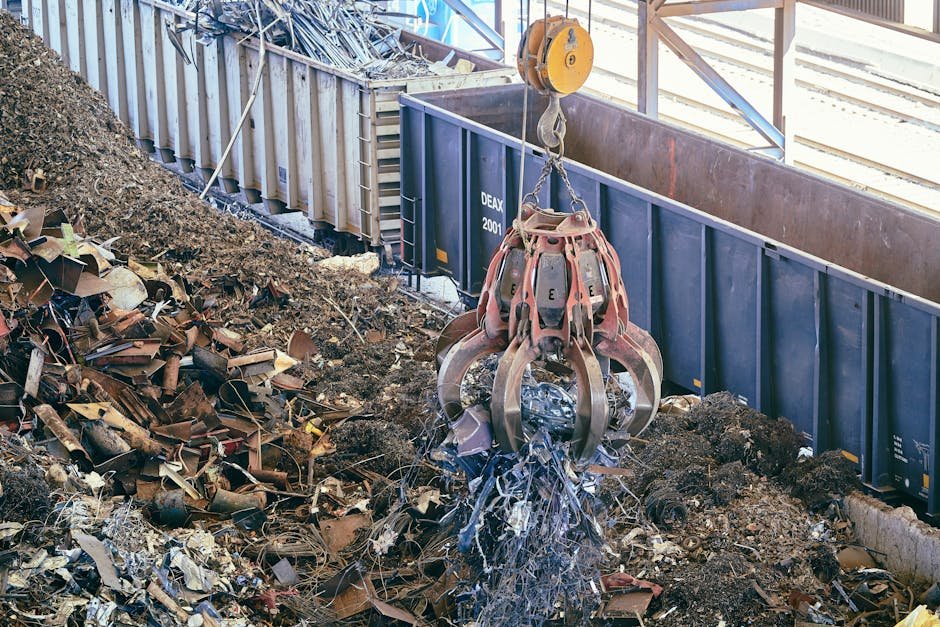

Understanding the current prices for scrap metal is essential for anyone involved in the recycling supply chain, whether you are a collector, a processor, or a manufacturer seeking recycled inputs.
1. Overview of the Australian Scrap Metal Market
The Australian scrap metal market operates as a dynamic hub where raw material shortages, international steel production, and commodity price fluctuations intersect. In 2024, the market has been influenced by rising construction activity, increased steel imports, and tighter environmental regulations. As a result, the Current Scrap Metal Prices can shift noticeably within a single trading day.
Key commodities include ferrous metals such as steel and iron, and non‑ferrous metals like copper, aluminium, and brass. Each metal class has its own price per kg and price per tonne, often quoted on the market rate established by major exchanges such as the London Metal Exchange (LME) and the Chicago Mercantile Exchange (CME). Local brokers then translate these global benchmarks into Australian dollars per kilogram, adjusting for freight, processing costs, and quality differentials.
2. How Prices Are Determined
Prices for scrap metal are set through a combination of macro‑economic and micro‑economic factors. At the macro level, global demand for primary metals, currency exchange rates, and geopolitical events shape the base commodity price. At the micro level, local supply chains, processing capacity, and the specific grade of scrap influence the final price per kg offered to sellers.
In practice, a typical pricing workflow looks like this:
- Benchmarking: Brokers reference the latest LME or CME settlement prices for each metal.
- Adjustment for Purity: The metal’s grade (e.g., #1 copper vs. #2 copper) determines a purity premium or discount.
- Logistics Factor: Transportation distance, fuel costs, and handling fees are added or subtracted.
- Regional Demand: Local construction projects or manufacturing demand can create a temporary premium.
- Regulatory Costs: Environmental levies or recycling credits may affect the net price.
Because these variables change daily, many Australian recyclers publish Scrap Metal Prices on their websites, often refreshed every 24 hours to reflect the latest market conditions.
3. Factors Influencing the Market Rate
Several specific factors drive the day‑to‑day fluctuations in the price per tonne of scrap metal:
- International Steel Production: When major steel producers in China or India reduce output, global steel prices rise, lifting scrap prices.
- Currency Movements: A stronger Australian dollar makes imported raw metal cheaper, potentially lowering domestic scrap demand.
- Seasonal Construction Demand: The Australian building season (spring to early autumn) spikes demand for steel and aluminium, raising prices.
- Energy Costs: Higher electricity or natural gas prices increase the cost of melting scrap, which can reduce the price offered to suppliers.
- Environmental Policies: Government incentives for recycled content can create a premium for higher‑grade scrap.
Understanding these drivers helps sellers anticipate price movements and time their sales for optimal returns.
4. Grades and Categories of Scrap Metal
Not all scrap is created equal. The industry classifies scrap into grades based on composition, contamination level, and physical condition. Below is a concise guide to the most common grades in Australia:
- Ferrous Metals:
- Heavy Melt (HM): Clean, uncoated steel, often used for large‑scale melting.
- Light Melt (LM): Mixed steel with minor contaminants, lower price per kg.
- Scrap Iron: Cast iron and pig iron, typically priced lower than steel.
- Non‑Ferrous Metals:
- #1 Copper: Bare, clean copper wire or tubing, commands the highest price per kg.
- #2 Copper: Copper with insulation or minor oxidation, priced below #1.
- Aluminium Alloys: Sorted by series (e.g., 6000, 7000), with higher alloy purity earning a premium.
- Brass & Bronze: Valued for their copper‑zinc content; price varies with alloy composition.
Accurate grading is vital because even a small impurity can reduce the metal prices for scrap you receive. Many processors offer free grading services to help you achieve the best possible rate.
5. The Recycling Process: From Collection to Re‑Melting
Recycling scrap metal follows a well‑defined series of steps that add value while minimizing environmental impact:
- Collection: Scrap is gathered from households, construction sites, and industrial facilities. Services like scrap metal prices near me help locate local collection points.
- Sorting & Grading: Using magnetic separators, eddy‑current devices, and manual inspection, metals are sorted by type and grade.
- Processing: Larger pieces are sheared, baled, or shredded to reduce volume and facilitate handling.
- Melting: Sorted scrap is melted in electric or induction furnaces. Energy efficiency and emissions controls are critical at this stage.
- Refining: Impurities are removed through fluxes or electro‑refining, producing a high‑purity metal ready for casting.
- Casting & Distribution: The refined metal is cast into billets, rods, or sheets and sold to manufacturers.
Each step contributes to the overall economic and environmental value of the recycling loop. By diverting metal from landfill, recycling reduces the need for virgin ore extraction, which is energy‑intensive and generates significant greenhouse gas emissions.
6. Environmental Benefits of Metal Recycling
Scrap metal recycling delivers measurable environmental advantages:
- Energy Savings: Recycling aluminium saves up to 95% of the energy required to produce primary aluminium from bauxite.
- Reduced Emissions: Each tonne of recycled steel avoids approximately 1.8 tonnes of CO₂ equivalent emissions.
- Conserved Natural Resources: Recycling recovers valuable minerals, reducing the need for new mining operations.
- Landfill Diversion: Metals are non‑degradable; keeping them in the circular economy prevents long‑term environmental contamination.
These benefits align with Australia’s National Waste Policy and the growing corporate demand for recycled content, creating a virtuous cycle that supports higher prices for scrap metal when demand for sustainable materials rises.
7. Practical Tips for Maximising Your Scrap Metal Revenue
Whether you are an individual collector or a small‑scale dealer, the following strategies can help you secure the best possible price:
- Know the Grade: Use a magnet test, visual inspection, or a professional grading service to identify the exact grade before quoting.
- Stay Informed: Monitor daily Scrap Metal Prices Near Me and national market reports to time your sales.
- Bundle for Efficiency: Transporting larger, well‑packed bales reduces handling fees and can attract a premium.
- Maintain Cleanliness: Remove non‑metal contaminants such as plastics, wood, and paint; clean metal fetches higher rates.
- Leverage Online Platforms: Register on the Scrap Trade platform to compare offers from multiple processors instantly.
- Consider Seasonal Peaks: Align your sales with construction booms or manufacturing cycles when demand—and thus prices—are highest.
By applying these tactics, you can convert raw scrap into a reliable income stream while supporting Australia’s circular economy.
8. Where to Find Reliable Price Information
Accurate, up‑to‑date pricing data is the cornerstone of any successful scrap metal business. The following resources are trusted across the industry:
- Current Scrap Metal Prices – Daily updates on price per kg and per tonne for major metal categories.
- Scrap Metal Prices – A comprehensive price guide with historical trends.
- Scrap Metal Prices Near Me – Localized pricing based on proximity to processing facilities.
- Industry newsletters from the Australian Steel Institute and the Aluminium Association of Australia.
- Global commodity exchanges (LME, CME) for benchmark metal prices.
Regularly consulting these sources ensures you are always quoting the most competitive rates, whether you are buying or selling.
For a deeper dive into the economics of scrap metal, explore the dedicated article on Scrap Trade Australia, which offers case studies, market analysis, and policy updates.
Conclusion
The landscape of prices for scrap metal in Australia is shaped by a complex interplay of global commodity markets, local demand, and the intrinsic quality of the material. By understanding how the market rate is calculated, staying aware of the factors that influence metal prices today, and adhering to best‑practice recycling methods, you can maximise both profit and environmental impact. Whether you are a seasoned trader or a newcomer, leveraging accurate price data, proper grading, and strategic timing will position you for success in the thriving Australian recycling sector.
Frequently Asked Questions
How often do scrap metal prices change in Australia?
Scrap metal prices are typically updated daily, reflecting fluctuations in global commodity markets, currency rates, and local demand. Most reputable processors publish new rates every 24 hours.
What is the difference between price per kg and price per tonne?
Price per kilogram is a finer measurement used for small‑scale transactions, while price per tonne (1,000 kg) is standard for bulk sales. Converting between the two is simply a matter of multiplying or dividing by 1,000.
Can I get a higher price for clean, sorted scrap?
Yes. Clean, well‑sorted scrap reduces processing costs and contamination risk, allowing processors to offer a premium over mixed or dirty loads.
Do environmental regulations affect scrap metal prices?
Environmental policies can create incentives for recycled content, which may raise demand and prices for high‑grade scrap. Conversely, stricter emissions standards can increase processing costs, influencing net rates.