
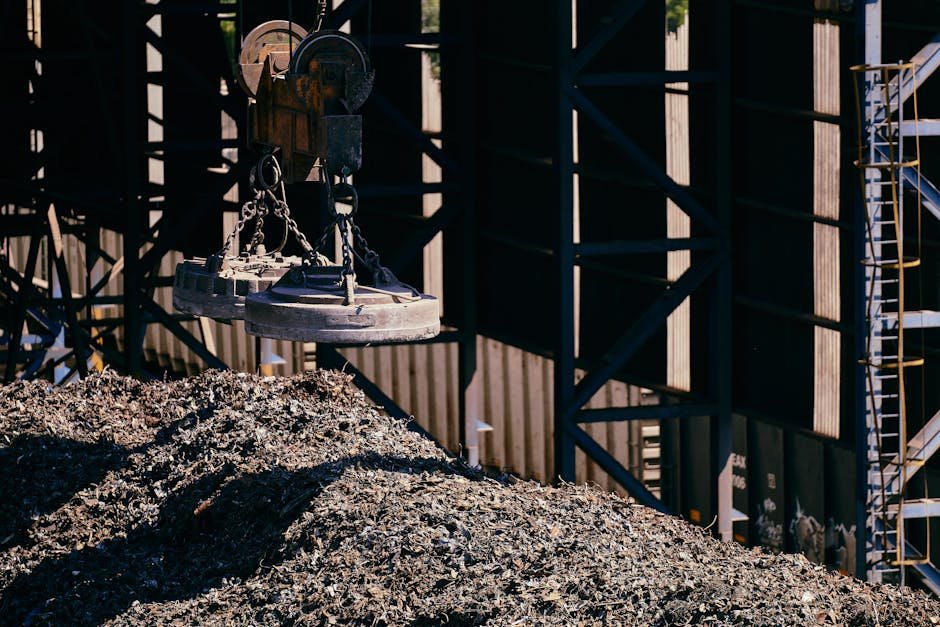

In the Australian scrap metal industry, sims metal is a term that refers to a specific grade of stainless steel alloy widely used in construction, automotive, and manufacturing sectors. Understanding its properties, market value, and recycling pathways is essential for anyone looking to profit from or responsibly dispose of this material.
What Exactly Is sims metal?
sims metal is a designation used by many Australian recyclers to describe a subset of stainless steel that contains a high proportion of nickel (typically 8‑12%) and chromium (around 18‑20%). This composition gives the alloy excellent corrosion resistance, making it ideal for marine applications, medical equipment, and high‑end architectural finishes. The term originated from a classification system employed by the Australian scrap trade, and while the exact chemical makeup can vary slightly between suppliers, the core characteristics remain consistent.
Composition and Grades of sims metal
The most common grades falling under the sims metal umbrella are 304 and 316 stainless steel. Grade 304 contains about 18% chromium and 8% nickel, while grade 316 adds molybdenum (2‑3%) for extra corrosion resistance in chloride‑rich environments. Both grades are magnetic, dense, and have a typical density of 7.9–8.0 g/cm³, which influences their scrap value.
- Grade 304: Often used in kitchen equipment, food processing, and architectural cladding.
- Grade 316: Preferred for marine hardware, chemical processing equipment, and surgical instruments.
Because the nickel and chromium content drives the scrap price, recyclers assess each batch of sims metal with a spectrometer to verify its exact alloy composition before quoting a price.
Australian Market Demand for sims metal
Australia’s robust construction boom, expanding infrastructure projects, and a thriving manufacturing sector create steady demand for recycled stainless steel. In 2024, the Australian steel industry imported over 1.2 million tonnes of stainless steel, with roughly 30% sourced from domestic scrap. This reliance on recycled input helps manufacturers meet sustainability targets and reduces reliance on volatile overseas commodity markets.
Key end‑users of sims metal include:
- Construction firms needing corrosion‑resistant structural components.
- Automotive manufacturers producing exhaust systems and trim.
- Medical device producers requiring high‑purity stainless steel.
- Marine and offshore companies building vessels and platforms.
The demand curve is closely linked to global nickel and chromium prices, as well as domestic policy incentives that reward the use of recycled materials.
Pricing Dynamics: How sims metal prices are Determined
Pricing for sims metal is not static; it fluctuates daily based on global metal markets, exchange rates, and local supply constraints. The primary drivers are:
- Nickel price: Since nickel constitutes a large portion of the alloy, its market price has a direct impact.
- Chromium price: Chromium’s price moves in tandem with steel production cycles.
- Currency strength: A stronger Australian dollar can depress local scrap prices when imported stainless steel becomes cheaper.
- Regional supply: Seasonal collection drives and local industrial shutdowns affect availability.
For the most up‑to‑date figures, consult the sims metal prices page, which aggregates data from major Australian recyclers and provides a benchmark for sellers.
How to Recycle sims metal Effectively
Recycling sims metal is a multi‑step process that begins with collection and ends with melting in an electric furnace. The steps are:
- Collection: Gather clean, sorted stainless steel scrap from demolition sites, manufacturing off‑cuts, or consumer drop‑off points.
- Sorting: Separate sims metal from other steel grades using magnetic separation and manual sorting to avoid contamination.
- Inspection: Use handheld X‑ray fluorescence (XRF) devices to verify alloy composition; this is crucial for accurate pricing.
- Processing: Shred or ball the material to a uniform size for efficient furnace loading.
- Melting: Melt the shredded sims metal in an electric arc furnace, which recovers up to 95% of the original metal value.
- Refining: Add fluxes and adjust the alloy composition to meet customer specifications before casting.
When looking for a local recycler, search for Metal Recycling Near Me to find licensed facilities that adhere to Australian environmental standards.
Choosing the Right sims metal recyclers
Not all recyclers are created equal. A reputable sims metal recyclers will offer transparent pricing, certified weighing scales, and a clear chain‑of‑custody documentation. Important criteria include:
- Licensing and compliance with the Australian Environment Protection and Biodiversity Conservation Act.
- Availability of on‑site XRF analysis for accurate alloy verification.
- Established relationships with downstream steel manufacturers.
- Competitive payout structures tied to real‑time Metal Prices.
Many recyclers also provide collection services, reducing the logistical burden for businesses with large volumes of sims metal.
How to Sell sims metal in 2026
The scrap market evolves quickly, and sellers need to stay ahead of pricing trends, regulatory changes, and logistical innovations. Here are practical steps for 2026:
- Stay Informed: Monitor the sims metal prices page weekly and subscribe to industry newsletters.
- Prepare Documentation: Keep records of weight, alloy grade, and source location for each batch; this speeds up the transaction.
- Leverage Technology: Use mobile apps that connect directly to recyclers, allowing you to request quotes and schedule pickups instantly.
- Negotiate Volume Discounts: Offer larger, consistently clean loads to secure better rates.
- Plan for Seasonal Peaks: Align your sales with construction boom periods when demand spikes.
For a detailed guide on where to find buyers, see Sell Scrap Metal Near Me In 2026. This resource lists accredited buyers across every Australian state and territory.
Environmental Benefits of Recycling sims metal
Recycling sims metal yields significant environmental dividends:
- Energy Savings: Producing stainless steel from scrap uses up to 75% less energy than virgin production.
- Reduced Emissions: Lower energy consumption translates to fewer CO₂ emissions, helping Australia meet its net‑zero targets.
- Resource Conservation: Recycling recovers valuable nickel and chromium, decreasing the need for new mining.
- Landfill Diversion: Keeping heavy steel out of landfill reduces soil and water contamination risks.
These benefits are often highlighted in corporate sustainability reports, and many large manufacturers require a minimum percentage of recycled content in their supply chain.
Regulatory Compliance and Safety
Australian law mandates strict handling of metal scrap to prevent environmental contamination and ensure worker safety. Key regulations include:
- Work Health and Safety (WHS) Act 2011: Requires safe handling, proper PPE, and training for workers dealing with heavy metal loads.
- National Environment Protection (Movement of Controlled Waste) Measure: Classifies certain stainless steel waste as controlled, requiring tracking and reporting.
- Australian Standards AS/NZS 3838: Sets out guidelines for the storage and transport of metal scrap.
Non‑compliance can result in hefty fines and loss of licensing, so partnering with a compliant recycler is non‑negotiable.
Practical Tips for Businesses Handling sims metal
Whether you are a small fabrication shop or a large demolition contractor, the following tips can streamline your sims metal operations:
- Label Bins Clearly: Use colour‑coded containers for different steel grades to avoid cross‑contamination.
- Maintain Clean Surfaces: Remove oil, paint, and other non‑metallic residues before delivery; this improves melt quality and price.
- Schedule Regular Pick‑ups: Consistent collection reduces storage costs and keeps your site tidy.
- Track Weights Digitally: Use calibrated scales and log data in a cloud‑based system for audit trails.
- Engage Employees: Train staff on the economic value of sims metal to encourage careful segregation.
By implementing these practices, you can maximize revenue while supporting Australia’s circular economy.
Future Outlook: What’s Next for sims metal?
Looking ahead to the late 2020s, several trends are set to shape the sims metal market:
- Increasing Use of Green Steel: As hydrogen‑based steelmaking gains traction, demand for high‑purity recycled stainless steel will rise.
- Advanced Sorting Technologies: AI‑driven vision systems will improve grade identification, reducing manual labor.
- Policy Incentives: Potential carbon credits for recycled stainless steel could add a new revenue stream for sellers.
- Global Supply Chain Shifts: Trade tensions may make domestic recycling more economically attractive.
Staying informed through platforms like Scrap Trade platform will help you adapt to these changes quickly.
Conclusion
sims metal represents a high‑value, environmentally beneficial commodity within Australia’s scrap metal ecosystem. By understanding its composition, staying current on pricing, partnering with certified recyclers, and adhering to regulatory standards, businesses can turn waste into profit while contributing to national sustainability goals. Whether you are a seasoned trader or a first‑time seller, the resources linked throughout this guide—such as the Scrap Trade Australia site and the internal articles on pricing and recycling—provide a solid foundation for success in 2026 and beyond.
Frequently Asked Questions
What grade of stainless steel is classified as sims metal?
Sims metal typically refers to grades 304 and 316 stainless steel, which contain high levels of nickel and chromium and are prized for corrosion resistance.
How are sims metal prices determined in Australia?
Prices are driven by global nickel and chromium markets, Australian dollar strength, and local supply‑demand dynamics, and are updated daily on specialist price trackers.
Can I recycle sims metal without a licence?
Only licensed facilities may process large volumes of sims metal; however, individuals can drop off small amounts at accredited collection points.
What are the biggest environmental benefits of recycling sims metal?
Recycling reduces energy consumption by up to 75%, cuts CO₂ emissions, conserves valuable alloying metals, and prevents heavy steel from ending up in landfill.