
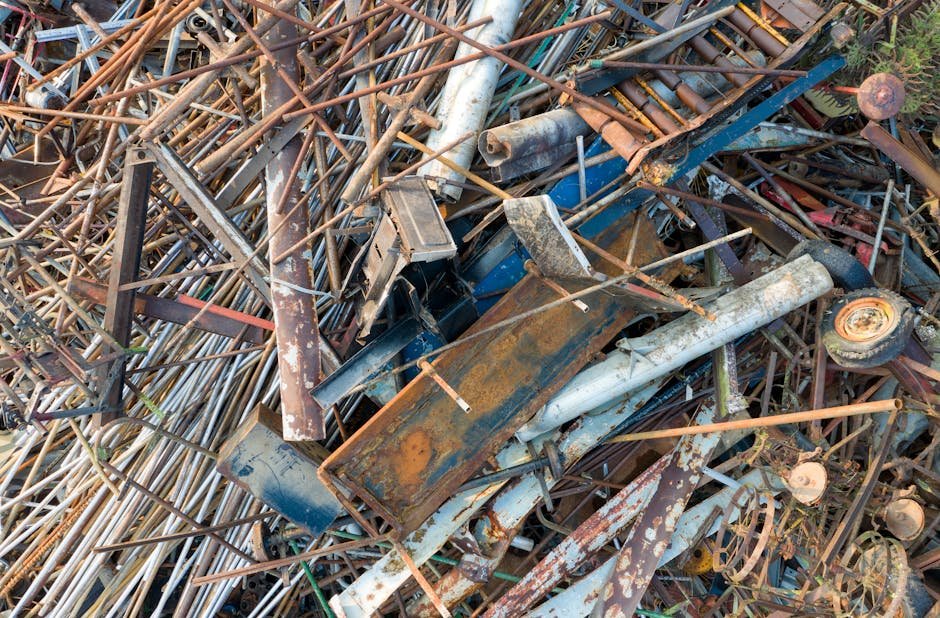

For businesses and residents in Alexandria, understanding scrap metal Alexandria processes is essential for responsible disposal and maximizing value. This comprehensive guide details metal classifications, step-by-step recycling operations, environmental advantages, and practical strategies for effective scrap management in the Alexandria area. We’ll explore how proper metal recycling contributes to sustainability while creating economic opportunities locally.
Understanding Scrap Metal Grades: Classification Systems
Scrap metal is categorized using globally recognized grading systems that determine value and processing methods. Ferrous metals (containing iron) and non-ferrous metals (without iron) follow distinct classification frameworks.
Ferrous Metal Grades
- Heavy Melting Steel (HMS): Thick steel sections over 1/4 inch thickness, free of contaminants
- Busheling: Clean factory steel offcuts, often galvanized
- Shredded Scrap: Fragmented material from vehicles and appliances
- Turnings: Machining byproducts requiring special processing
Non-Ferrous Metal Grades
- Copper #1: Clean, uncoated copper wire and tubing
- Brass Solids: Clean plumbing fixtures and machinery parts
- Stainless Steel 304/316: Nickel-chromium alloys with premium value
- Cast Aluminum: Engine blocks, transmission housings
- Extruded Aluminum: Clean window frames and door components
The Scrap Metal Recycling Process: Step-by-Step
Recycling facilities in Alexandria follow sophisticated industrial processes to transform scrap into reusable materials:
1. Collection and Sorting
Specialized collection services transport materials to facilities where advanced sorting occurs. Alexandria recyclers use magnetic separation, eddy current systems, and spectroscopic analyzers to achieve 95%+ purity levels. Proper sorting directly impacts material value – contaminated loads may be downgraded or rejected entirely.
2. Processing and Preparation
- Shearing: Hydraulic equipment cuts oversized steel
- Shredding: Hammermills reduce materials to fist-sized fragments
- Baling: Compaction into transportable cubes
- Torching: Thermal cutting of heavy structural steel
3. Melting and Purification
Specialized furnaces operate at extreme temperatures: electric arc furnaces (EAF) for steel (1,600°C), reverberatory furnaces for aluminum (660°C), and rotary furnaces for brass (900°C). Fluxing agents remove impurities, creating molten metal ready for alloy adjustment.
4. Solidification and Manufacturing
Molten metal is cast into ingots, billets, or slabs. These semi-finished products supply local manufacturers including Sydney’s automotive plants and construction material producers, completing the circular economy loop. Current recovery rates exceed 80% for most metals processed in Alexandria facilities.
Environmental Benefits: Alexandria’s Sustainability Impact
Metal recycling delivers measurable environmental advantages for the Alexandria community and beyond:
Resource Conservation
Recycling aluminum saves 95% energy versus primary production – one tonne recycled preserves 4 tonnes of bauxite ore. Steel recycling reduces iron ore demand by 1.5 tonnes per recycled tonne. These savings directly reduce mining impacts in Australia’s mineral regions.
Energy Efficiency and Emissions Reduction
- Copper recycling uses 85% less energy than mining
- Every tonne of recycled steel prevents 1.5 tonnes of CO2 emissions
- Aluminum recycling cuts greenhouse gases by 97%
Alexandria recyclers collectively save enough energy annually to power 15,000 homes, while preventing over 200,000 tonnes of CO2 emissions through metal recovery.
Landfill Diversion and Toxin Management
Metals occupy 10-15% of landfill space but represent 100% recyclable content. Proper recycling prevents heavy metal leaching into groundwater – particularly crucial for urban environments near Botany Bay. Alexandria facilities processed over 75,000 tonnes of metal in 2023, diverting equivalent volume from landfills.
Economic Impact: Scrap Metal’s Role in Alexandria’s Economy
The recycling industry generates significant economic activity through multiple channels:
- Creates 12x more jobs than landfilling per tonne of material
- Generates $150+ million annually in NSW scrap exports
- Provides low-cost raw materials for local manufacturers
- Offers revenue streams for businesses through Scrap Metal Prices monitoring
For Alexandria specifically, recycling supports logistics providers, equipment suppliers, and technical services while providing accessible income opportunities through collection programs.
Finding Reliable Scrap Services in Alexandria
When selecting scrap metal recycling Alexandria services, consider these key factors:
Certification Requirements
Reputable facilities hold:
- NSW EPA Resource Recovery Exemptions
- AS 5377:2013 Traceability Compliance
- ISO 14001 Environmental Management Certification
Service Offerings
- Container services for commercial generators
- Weighbridge facilities with digital certification
- Mobile collection units for industrial sites
Our platform connects users with certified alexandria scrap metal processors through a transparent marketplace at ScrapTrade Australia.
Practical Guide: Preparing and Selling Scrap in Alexandria
Preparation Best Practices
- Separate metals by type and grade
- Remove non-metallic attachments (plastic, rubber, glass)
- Drain all fluids from automotive components
- Bundle copper wiring securely
Maximizing Value
Monitor Scrap Metal Prices using live market tools. Accumulate sufficient volume (500kg+) for better rates. Clean materials command premiums – degreased aluminum fetches 20%+ more than contaminated loads. Consider timing seasonal price fluctuations (Q1 often sees stronger demand).
For convenient options, explore Scrap Metal Recycling Near Me services with mobile pickup capabilities across Sydney.
Future Innovations: Alexandria’s Recycling Evolution
Emerging technologies are transforming scrap processing:
- AI Sorting Systems: Computer vision identifies alloys with 99% accuracy
- Plasma Arc Recycling: Gasification of complex assemblies
- Blockchain Tracking: Full material traceability from source to mill
- Hydrogen-Powered Processing: Zero-emission shredding operations
These advancements will increase recovery rates while reducing operational impacts – positioning Alexandria as a leader in urban resource recovery.
Conclusion
Effective scrap metal Alexandria management delivers environmental protection, resource conservation, and economic benefits through sophisticated processing systems. By understanding metal grades, proper preparation techniques, and leveraging professional recycling services, Alexandria businesses and residents contribute directly to sustainability targets while realizing financial returns. As technologies advance, metal recycling will play an increasingly vital role in Sydney’s circular economy. Discover how to participate through our national trading platform and explore Sell Scrap Metal Near Me In 2026 resources for upcoming opportunities.
Frequently Asked Questions
What are the most valuable scrap metal grades in Alexandria?
The highest-value non-ferrous metals include clean copper wire (#1 copper), brass plumbing fixtures, and aluminum extrusions. For ferrous metals, heavy melting steel (HMS 1&2) and clean factory busheling command premium pricing. Current market values are updated regularly on our Scrap Metal Prices page.
How does scrap metal recycling benefit Alexandria’s environment?
Recycling reduces mining demands by 40-95% across metal types, decreases energy consumption by up to 97% compared to virgin production, and prevents landfill contamination. Alexandria facilities collectively divert thousands of tonnes from landfills annually while reducing CO2 emissions equivalent to removing 5,000 cars from Sydney roads.
What certifications should I look for in an Alexandria recycler?
Reputable facilities hold NSW EPA resource recovery exemptions, comply with AS 5377:2013 traceability standards, and maintain ISO 14001 environmental management certification. These ensure legal operation, material accountability, and adherence to environmental protection protocols for safe recycling.
How should I prepare scrap metal for recycling in Alexandria?
Separate metals by type (ferrous/non-ferrous), remove non-metallic components, drain fluids from automotive parts, and clean materials to remove contaminants. Secure copper wiring in bundles. Proper preparation increases value and ensures acceptance at recycling facilities. For guidance, consult our Scrap Metal Recycling Near Me resources.