
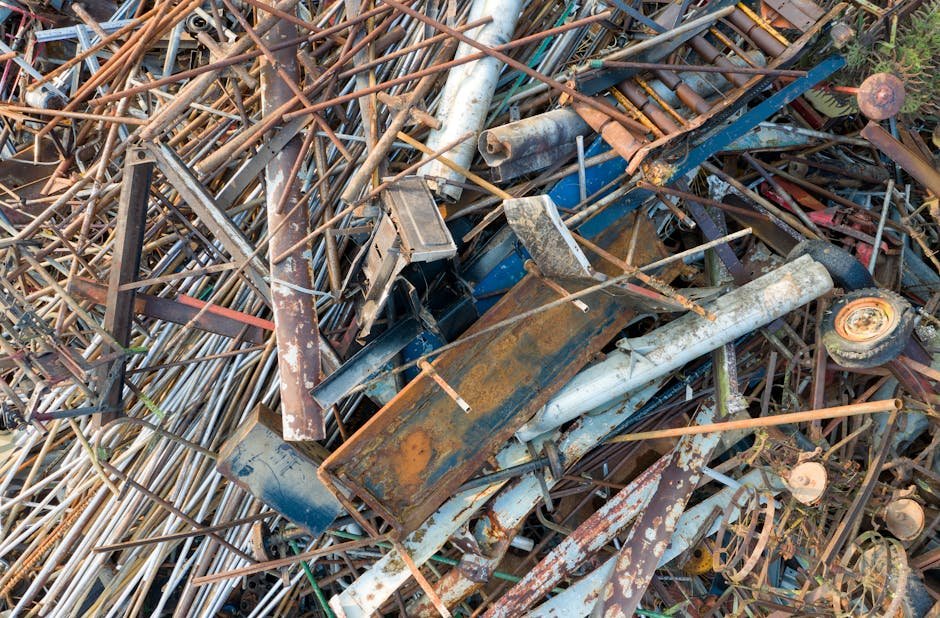

Understanding scrap metal Charlestown operations is essential for both commercial enterprises and residents throughout the Newcastle region. As a key industrial suburb, Charlestown hosts specialized facilities that handle diverse metal streams – from household appliances to construction debris and manufacturing surplus. This comprehensive guide examines metal classification systems, demystifies the recycling journey from collection to remanufacturing, details environmental advantages, and provides actionable strategies for maximizing returns on your scrap.
The Scrap Metal Landscape in Charlestown
Charlestown’s strategic position within the Hunter Region positions it as a vital hub for metal recycling. The suburb hosts advanced facilities equipped to manage everything from light iron to specialized alloys. Industrial operations in nearby areas like Broadmeadow and Cardiff generate substantial metal waste, while residential renewals across Lake Macquarie contribute household scrap. The region’s infrastructure supports efficient logistics, with major transport routes enabling cost-effective scrap movement. Local regulations align with NSW EPA guidelines, ensuring environmentally compliant processing while enabling economic viability through recovered materials.
Understanding Scrap Metal Grades
Accurate grading determines the value and recyclability of metals. Charlestown facilities categorize materials using internationally recognized classifications:
- Ferrous Metals: Iron and steel constitute 80% of scrap volume. Heavy melting steel (HMS) grades 1&2 command premium pricing. Cast iron from machinery and shredded auto bodies fall into specific categories based on density and purity.
- Non-Ferrous Metals: Copper grades range from bright wire (highest value) to mixed brass fittings. Aluminum is classified as cast, extrusion, or sheet. Stainless steel is graded by series (300/400) with nickel content being critical.
- Specialty Alloys: Aerospace titanium, lead-acid batteries, and catalytic converters containing platinum group metals require specialized handling. Insulated copper wire requires processing to separate conductors from sheathing.
Consistent Scrap Metal Prices fluctuate based on global markets, but understanding grade differentials ensures fair valuation. For example, clean aluminum extrusions yield 40% higher returns than painted cast aluminum.
The Scrap Recycling Process Explained
Transforming scrap into reusable material involves sophisticated technology:
- Collection & Weighing: Materials arrive via individual drop-offs or scheduled collections. Certified scales document gross/tare weights, determining payment at current Scrap Metal Prices.
- Sorting & Preparation: Magnets separate ferrous from non-ferrous metals. Advanced sensors identify alloys through elemental signatures. Manual sorting removes contaminants like plastic or rubber.
- Processing: Industrial shears fragment large beams. Shredders reduce cars into fist-sized pieces. Hammermills pulverize materials for density optimization. Copper chopping lines separate insulation.
- Purification: In furnaces reaching 1600°C, metals liquefy while impurities rise as slag. Electrolytic refining further purifies copper and precious metals.
- Remanufacturing: Molten metal forms ingots, billets, or sheets sent to mills. A recycled aluminum can reappear on shelves within 60 days.
Charlestown facilities employ emission controls like baghouse filters capturing 99.9% of particulates, aligning with NSW EPA requirements. Water treatment systems prevent coolant contamination.
Environmental Benefits of Metal Recycling
Scrap recycling delivers measurable ecological advantages:
- Resource Conservation: Recycling aluminum uses 95% less energy than primary production. Every tonne of recycled steel conserves 1,100kg of iron ore and 630kg of coal.
- Emissions Reduction: Steel recycling cuts CO2 emissions by 58% versus virgin production. The Australian metal recycling industry offsets over 15 million tonnes of greenhouse gases annually.
- Landfill Diversion: Metals constitute 13% of landfill mass but are 100% recyclable. Charlestown operations divert approximately 25,000 tonnes annually from local tips.
- Water Protection: Recycling prevents toxic leaching from corroding metals. One car battery improperly disposed can contaminate 25,000 litres of water with lead.
Our platform Scrap.Trade connects users with certified processors implementing ISO 14001 environmental standards, ensuring responsible handling from collection to smelting.
Preparing Your Scrap for Maximum Value
Proper preparation increases returns and processing efficiency:
- Ferrous Metals: Cut steel beams under 1.5m lengths. Remove concrete footings from rebar. Degrease machinery components.
- Copper: Separate bright bare wire from tarnished or insulated varieties. Remove brass fittings from plumbing scrap.
- Aluminum: Keep cast engine parts separate from clean extrusion. Remove steel bolts from window frames.
- Stainless Steel: Identify magnetic (400 series) versus non-magnetic (300 series) grades. Clean food-grade stainless separately.
- Dangerous Items: Never include compressed gas cylinders, radioactive materials, or asbestos-insulated items. Consult ScrapTrade Australia for hazardous material protocols.
Properly sorted, clean metals command premium Scrap Metal Prices – segregated copper can yield 30% more than mixed loads.
Finding Scrap Services in Charlestown
Charlestown offers multiple recycling options:
- Drop-off Yards: Facilities near industrial zones accept sorted loads during business hours. Sites provide containers for different metal categories with certified scales.
- Pickup Services: For quantities exceeding 500kg, scheduled collections use specialized trucks. Businesses can establish regular service contracts.
- Container Hire: Skip bins from 3m³ to 30m³ available for project sites with contamination fees for non-metal items.
For real-time options, our Sell Scrap Metal Near Me In 2026 tool lists current facilities. Comparatively, scrap metal alexandria services focus more on commercial generators in Sydney’s inner south.
Economic Aspects of Scrap Trading
Scrap metal constitutes a global commodity market with daily price fluctuations:
- Copper prices often indicate broader market trends, influenced by construction activity and electric vehicle production.
- Steel scrap values correlate with iron ore pricing and blast furnace demand.
- Aluminum markets respond to aerospace and packaging sector needs.
Local factors affecting charlestown scrap metal values include transport costs to Port Kembla steelworks and Newcastle shipping terminals. Bulk sellers (500kg+) typically receive 15-20% higher pricing than small loads. Payment methods range from instant cash to electronic transfers for commercial accounts.
Legal Compliance and Safety Protocols
NSW regulations governing scrap operations include:
- Proof of ownership documentation for sellers
- Banned items reporting requirements
- WorkSafe standards for material handling equipment
- Fire prevention systems for shredder operations
Reputable Charlestown facilities display their scrap dealer licenses and provide detailed transaction records. Safety protocols mandate PPE (steel-toe boots, gloves, eye protection) for yard access and forbid children from processing areas.
The Future of Metal Recycling in Charlestown
Industry advancements include:
- AI-powered sorting robots increasing purity levels to 99.8%
- Hydrogen-based reduction technology for zero-emission steel production
- Urban mining initiatives targeting landfill recovery
- Advanced material recovery from e-waste streams
Infrastructure upgrades like Newcastle’s proposed container terminal could position Charlestown as a major scrap exporter. Community engagement programs through schools and councils promote recycling participation.
Getting Started with Scrap Recycling
Practical first steps:
- Audit waste streams for recoverable metals
- Invest in basic sorting containers and tools
- Establish accounts with licensed processors
- Implement onsite safety procedures
- Monitor Scrap Metal Recycling Near Me for market updates
For businesses, formal recycling programs typically show ROI within 18 months through waste disposal cost savings and scrap revenue.
Conclusion: Your Role in the Recycling Loop
Effective scrap metal charlestown participation conserves finite resources, reduces industrial emissions, and strengthens local economies. Each tonne recycled saves 1.5 tonnes of CO2 and diverts waste from overburdened landfills. Whether you’re a homeowner clearing a shed or a procurement manager overseeing waste streams, understanding metal grades and preparation standards maximizes both environmental impact and financial returns. Charlestown’s recycling infrastructure stands ready to transform discarded metal into valuable resources—closing the loop on our materials economy.
Frequently Asked Questions
What types of scrap metal bring the highest prices in Charlestown?
High-value metals include clean copper wire, stainless steel 304/316, brass fittings, aluminum extrusions, and lead-acid batteries. Copper consistently tops pricing charts. Segregated, uncontaminated metals yield premium returns compared to mixed loads. Current Scrap Metal Prices fluctuate based on global markets.
How do I legally dispose of appliances in Charlestown?
White goods require certified processing to remove refrigerants and oils. Most charlestown scrap metal facilities accept appliances, but fees may apply for refrigerant recovery. Alternatively, Newcastle Council offers scheduled pickups. Never abandon appliances—illegal dumping carries substantial fines.
Do scrap yards pay cash instantly in Charlestown?
Licensed facilities provide immediate cash payments for small loads under 100kg after material verification. Commercial transactions over $500 typically require electronic payment processing. Always bring photo ID—operations comply with NSW anti-money laundering regulations requiring seller identification.
Can I recycle metal with paint or plastic attachments?
Minimal contamination is acceptable, but heavily painted metals or plastic-coated items may be downgraded or rejected. Preparation guidelines require removing non-metal components where practicable. Facilities charge contamination fees for excessive impurities as they increase processing costs and reduce material purity.