

Waste aluminium recycling Seven Hills represents a critical environmental and economic opportunity for both residents and businesses in Western Sydney. As Australia’s aluminium recycling rates continue to grow—currently recovering approximately 65% of all aluminium used—Seven Hills plays a vital role in this national sustainability effort through dedicated recycling facilities and community participation programs. This comprehensive guide explores every aspect of aluminium recycling specifically for the Seven Hills area, from identifying recyclable aluminium scrap to maximising financial returns through current aluminium price markets.
Why Aluminium Recycling Matters in Seven Hills
Aluminium recycling delivers unparalleled environmental advantages that directly benefit Seven Hills. Recycling aluminium requires only 5% of the energy needed for primary production from bauxite ore—a significant factor considering Australia’s energy landscape. Every tonne of recycled aluminium prevents 9 tonnes of CO2 emissions. For Seven Hills manufacturers, using recycled aluminium supports sustainable operations and aligns with NSW’s Waste and Sustainable Materials Strategy 2041 targets. The circular economy model transforms discarded aluminium scrap into valuable resources, reducing pressure on local landfills like Eastern Creek which receives over 1.3 million tonnes of waste annually. When combined with complementary recycling streams like Food Recycling How To Reduce Waste And Support Sustainability, aluminium recycling creates comprehensive waste reduction strategies.
Types of Aluminium Scrap Accepted in Seven Hills
Seven Hills recycling facilities accept diverse aluminium scrap categories, each with distinct preparation requirements and pricing structures. Common recyclable aluminium includes:
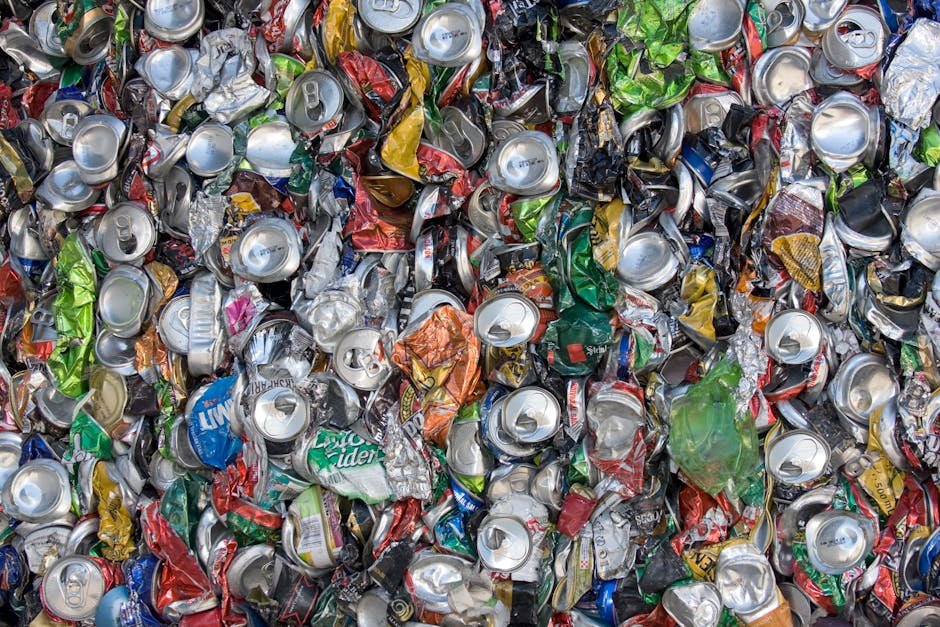
- Aluminium cans: Beverage containers remain the most recycled aluminium product, with Australians using over 3 billion cans annually. Ensure cans are rinsed and crushed to save space.
- Aluminium extrusions: Widely used in construction, these include window frames, door systems, and architectural components. Remove attached non-aluminium materials like rubber seals.
- Sheet aluminium: Commonly found in signage, roofing, cladding, and DIY projects. Separate from other metals.
- Cast aluminium: Engine components, BBQ parts, and garden furniture. Often contains alloys affecting pricing.
- Aluminium wire and cable: Requires stripping for optimal value recovery.
- Manufacturing scrap: Industrial turnings, swarf, and offcuts from Seven Hills factories.
For complex waste streams, explore Scrap Waste Efficient Management Recycling And Profit Opportunities to maximise recovery.
Current Aluminium Price Factors in Australia
The aluminium price fluctuates based on global markets and local demand. As of 2023, typical rates in Seven Hills range from:
- $1.20 – $2.50/kg for clean aluminium extrusions
- $0.80 – $1.80/kg for mixed aluminium castings
- $1.50 – $2.80/kg for aluminium wire and cable
- $1.00 – $1.70/kg for aluminium cans (baled)
Prices track the London Metal Exchange (LME) but vary based on contamination levels, volume, and alloy composition. Seven Hills recyclers apply rigorous grading systems—clean, segregated aluminium commands premium pricing. Global demand from automotive and construction sectors significantly influences rates. For accurate real-time pricing, consult reputable services like ScrapTrade Australia or visit Scrap.Trade for market reports.
Step-by-Step Aluminium Recycling Process
The waste aluminium recycling Seven Hills journey transforms scrap into reusable material through meticulous stages:
- Collection and Sorting: Materials are gathered from households (via council collections), businesses, and industrial sites across Seven Hills. Advanced sensor-based sorting separates aluminium from other metals.
- Processing and Cleaning: Scrap undergoes shredding, decoating (removing paints/lacquers), and magnetic separation to eliminate contaminants.
- Melting and Purification: Cleaned aluminium is melted in furnaces reaching 750°C. Fluxing agents remove impurities like magnesium.
- Alloying and Casting: Molten aluminium is adjusted to specific alloy compositions before being cast into ingots, billets, or slabs.
- Fabrication: Recycled aluminium gets transformed into new products—often within weeks of collection.
This efficient al recycling loop saves 95% energy compared to primary production. Advanced Seven Hills facilities complete this process within 60 days from collection to new product manufacturing.
Preparing Aluminium Scrap: Seven Hills Best Practices
Proper preparation ensures maximum value recovery from aluminium scrap in Seven Hills:
- Segregate Strictly: Separate aluminium from steel, copper, and non-metallic materials. Mixed loads receive lower pricing.
- Clean Thoroughly: Remove oils, liquids, rubber, and plastic attachments. Contamination reduces quality.
- Compact Efficiently: Crush cans and flatten sheets to increase load density.
- Handle Safely: Wear gloves and eye protection when processing sharp edges.
- Store Properly: Keep aluminium dry and covered to prevent oxidation.
Businesses generating over 100kg weekly benefit from commercial scrap metal contracts with dedicated bin services. For comprehensive waste approaches, consider integrating with Food Scrap How Food Waste Recycling Supports The Global Circular Economy programs.
Environmental Impact and Circular Economy Benefits
Waste aluminium recycling Seven Hills delivers measurable environmental advantages. Recycling one aluminium can saves enough energy to power a TV for three hours. Diverting aluminium from landfill reduces toxic runoff risks at sites like Eastern Creek. The closed-loop nature of aluminium recycling means 75% of all aluminium ever produced remains in use today—a model Seven Hills contributes to through local recycling infrastructure. Compared to other materials, aluminium recycling offers superior circularity with near-infinite recyclability without quality degradation. When combined with other metal streams like waste steel recycling seven hills and broader waste metal recycling seven hills initiatives, the collective impact significantly advances Sydney’s sustainability goals.
Choosing a Seven Hills Aluminium Recycling Service
Selecting the right recycling partner in Seven Hills involves key considerations:
- Licensing: Verify NSW EPA waste transporter licenses and facility approvals
- Transparency: Seek clear pricing models with published rate sheets
- Services: Evaluate collection options (drop-off vs pick-up), volume capacities, and processing capabilities
- Reporting: Choose providers offering recycling certificates for corporate ESG compliance
- Facility Access: Assess convenience of location and operating hours
Leading Seven Hills recyclers provide specialized aluminium extrusion processing lines and dedicated can recycling systems with instant payment upon weighing.
Future Innovations in Aluminium Recycling
Emerging technologies will transform waste aluminium recycling Seven Hills operations. Advanced LIBS (Laser-Induced Breakdown Spectroscopy) systems enable precise alloy identification during sorting. AI-powered robots increasingly handle hazardous material separation, improving worker safety. Seven Hills facilities are adopting carbon-neutral melting technologies using renewable energy sources. Research continues into recycling complex multi-material products like laminated packaging, potentially unlocking new aluminium scrap sources. These innovations position Seven Hills as a future leader in sustainable metal recovery.
Conclusion
Waste aluminium recycling Seven Hills offers a powerful convergence of environmental stewardship and economic opportunity. By understanding aluminium scrap types, preparation techniques, pricing mechanisms, and recycling processes, Seven Hills residents and businesses can significantly contribute to resource conservation while benefiting financially. With aluminium recycling infrastructure continually advancing across Western Sydney, participation supports both local sustainability objectives and global circular economy principles. Every kilogram of aluminium recycled in Seven Hills saves energy, reduces emissions, and moves Australia closer to becoming a zero-waste society.
Frequently Asked Questions
Frequently Asked Questions
What aluminium items can’t be recycled in Seven Hills?
Seven Hills recyclers typically cannot process aluminium foil with heavy food residue, aerosol cans containing pressure or chemicals, or aluminium composite materials with bonded plastics like some signage panels. Paint cans require special handling due to residue. Always check with your local facility for specific exclusions.
How do aluminium prices in Seven Hills compare nationally?
Seven Hills aluminium prices generally align with national averages but often command a slight premium (5-10%) due to lower transport costs to Sydney-based smelters and manufacturers. Prices fluctuate daily based on London Metal Exchange rates, local demand from packaging/automotive industries, and scrap quality. High-volume commercial suppliers typically negotiate better rates.
Do I need to remove labels from aluminium cans before recycling?
No, labels don’t need removal for aluminium can recycling in Seven Hills. Modern recycling facilities use thermal and chemical processes that burn off or dissolve paper and adhesive residues during melting. However, cans should be empty, rinsed, and ideally crushed to save space. This differs from some curbside recycling rules where labels might contaminate other streams.
What certifications should I look for in a Seven Hills aluminium recycler?
Reputable recyclers should hold NSW EPA waste transporter licenses, AS 5377 (recycling traceability) certification, and ISO 14001 environmental management accreditation. Facilities processing exported scrap require Australian Trusted Trader accreditation. For businesses, look for providers offering detailed recycling audit trails for sustainability reporting.