
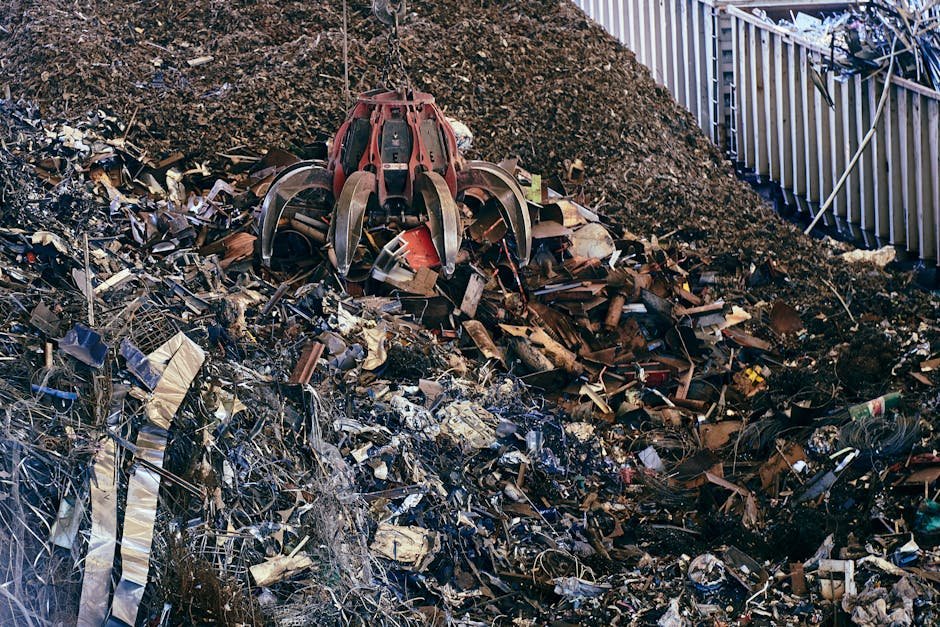

Understanding tweed scrap metal operations is crucial for residents and businesses across the Tweed Shire, from Tweed Heads to Murwillumbah. This comprehensive guide examines scrap metal classifications, detailed recycling processes, and significant environmental advantages specific to the Northern Rivers region of NSW. We’ll explore how proper metal recycling supports both the local economy and global sustainability efforts.
Introduction to Scrap Metal Recycling in the Tweed Region
The Tweed Shire generates substantial scrap metal volumes from construction, manufacturing, automotive, and household sources. With major infrastructure projects and population growth, responsible metal recycling prevents valuable resources from entering landfills like the Stott’s Island Resource Recovery Centre. Tweed scrap metal recycling forms a critical component of the circular economy, reducing the need for environmentally destructive mining while conserving energy. Local yards provide essential services by purchasing scrap from the public, with operations adhering to NSW EPA regulations for environmental protection and safety.
Comprehensive Classification of Scrap Metal Grades
Scrap metal is categorized by composition and purity, directly impacting its value and recycling process:
Ferrous Metals (Iron-based):
- Heavy Melting Steel (HMS): Thick steel sections from demolished buildings or machinery (common from Tweed industrial sites)
- Cast Iron: Heavy, brittle iron from engine blocks, pipes, and vintage appliances
- Shreddable Scrap: Mixed light iron/steel from vehicles and white goods processed through industrial shredders
- Turnings: Machining byproducts from Tweed engineering workshops requiring special processing
Non-Ferrous Metals (Higher Value):
- Copper Grades: Bare bright wire (highest grade), #1 tubing, electrical motors, and mixed brass/copper alloys
- Aluminium Categories: Extrusion offcuts, cast engine parts, contaminated foil, and beverage cans
- Stainless Steel: Graded by nickel content (304 and 316 most valuable) from commercial kitchens and marine applications
- Specialty Alloys: Lead-acid batteries, brass fittings, and catalytic converters requiring specialized recovery
Detailed Scrap Metal Recycling Process in Tweed Facilities
Tweed recycling operations follow a meticulous sequence:
1. Collection & Sorting: Metals are gathered from households, construction sites, and businesses across the Tweed Valley. Initial sorting separates ferrous (magnetic) from non-ferrous metals using industrial magnets and visual inspection. Advanced facilities like those serving the Tweed utilize infrared spectroscopy for alloy identification.
2. Processing & Preparation: Steel is sheared or shredded into fist-sized pieces at yards like those in Tweed Heads South. Aluminum undergoes decoating to remove paints/lacquers. Copper wiring is mechanically stripped. Contaminants (plastic, rubber, glass) are removed to prevent furnace contamination.
3. Melting & Purification: Metals are melted in furnaces reaching 1600°C+ – electric arc furnaces for steel, reverberatory furnaces for aluminum. Fluxing agents remove impurities that rise to the surface as slag. Chemical composition is adjusted to meet mill specifications.
4. Solidification & Distribution: Molten metal is cast into ingots, billets, or slabs. These semi-finished products are shipped to manufacturers across Australia and internationally, becoming new products within 60-90 days – completing the circular economy loop.
Environmental Benefits: Tweed’s Contribution to Sustainability
Recycling scrap metal in the Tweed provides measurable ecological advantages:
- Energy Conservation: Recycling aluminum uses 95% less energy than primary production – critical for reducing NSW’s carbon footprint
- Resource Preservation: Each tonne of recycled steel conserves 1,100kg of iron ore, 630kg of coal, and 55kg of limestone
- Landfill Reduction: Diverts thousands of tonnes annually from Stott’s Island landfill, extending its operational life
- Water Protection: Prevents heavy metal leaching into groundwater and the Tweed River estuary system
- Emission Reduction: Metal recycling generates significantly less CO2 and particulate pollution than mining operations
By using recycled metals, local manufacturers like those in the Tweed Industrial Estate reduce their environmental impact while meeting sustainability targets.
Optimising Your Scrap: Preparation Guidelines for Maximum Value
Proper preparation increases scrap value and recycling efficiency:
- Ferrous Metals: Remove concrete foundations from steel beams, detach non-metal components from machinery
- Copper: Separate bare bright wire from insulated varieties, remove brass fittings from plumbing fixtures
- Aluminium: Sort cast (engine parts) from extruded (window frames), remove steel screws/brackets
- Stainless Steel: Keep grades separate, identify non-magnetic varieties that command premium pricing
- General Practices: Drain all fluids from automotive parts, safely remove refrigerant from AC units, decontaminate chemical containers
Always check current requirements at your chosen Scrap Metal Recycling Near Me facility, as preparation standards may vary between Tweed yards.
Locating Reputable Recycling Services in the Tweed Region
Several facilities serve the Tweed Shire, each with specific capabilities:
- Tweed Metal Recyclers: Full-service yard handling appliances, vehicles, and industrial scrap in Tweed Heads South
- Murwillumbah Scrap Processors: Specializes in non-ferrous metals and smaller household quantities
- Byron Shire Recycling: Nearest facility for electronic waste recovery north of the Tweed River
For specialized requirements, consider services in nearby regions like scrap metal charlestown or scrap metal alexandria operations. Our platform provides updated listings for Sell Scrap Metal Near Me In 2026 locations throughout NSW.
Understanding Scrap Metal Pricing Structures in Tweed
Pricing reflects global market dynamics with local considerations:
Key Influencing Factors:
- London Metal Exchange (LME) daily non-ferrous pricing
- Australian Steel Index benchmarks for ferrous metals
- Transportation costs from regional yards to smelters
- Contamination levels and preparation quality
- Volume discounts for commercial quantities (typically 500kg+)
Current Scrap Metal Prices fluctuate based on international demand, particularly from manufacturing sectors in Asia. Tweed yards typically offer lower pricing than metropolitan centers due to transport costs, making it advisable to monitor market trends before large disposals.
The Future of Metal Recycling in Australia’s Tweed Region
Emerging developments will shape local recycling:
- Automated sorting technologies improving recovery rates
- NSW Government’s Waste and Sustainable Materials Strategy 2041 targets
- Increased focus on recovering critical minerals from electronic waste
- Infrastructure development projects generating new scrap streams
- Enhanced traceability systems for ethical recycling compliance
Platforms like Scrap.Trade connect Tweed sellers with national buyers, while ScrapTrade.com.au provides industry-specific compliance resources. These innovations position the Tweed region as a contributor to Australia’s recycling future.
Conclusion: Your Role in Tweed’s Metal Recycling Ecosystem
Responsible tweed scrap metal management combines environmental stewardship with economic opportunity. By understanding metal grades, proper preparation techniques, and current market dynamics, Tweed residents and businesses maximize returns while minimizing ecological impact. As recycling technologies advance and circular economy principles gain prominence, conscientious metal recycling remains a practical action every citizen can take toward regional sustainability. Partner with certified recycling operators to ensure your scrap supports both the local economy and global environmental goals.
Frequently Asked Questions
What types of scrap metal are most valuable in the Tweed region?
High-value metals include clean copper wiring (bare bright), aluminum extrusion offcuts, stainless steel (304/316 grades), and brass fittings. Lead-acid batteries and catalytic converters also command premium pricing. Ferrous metals like steel have lower per-kilo value but accumulate quickly for significant returns.
Do I need documentation when selling scrap metal in Tweed?
Yes. NSW regulations require sellers to provide photo ID and proof of address for all transactions. Commercial sellers must supply business details. Yards document transactions to prevent theft and comply with the NSW Scrap Metal Industry Act 2016. Always obtain a detailed receipt specifying weights, grades, and prices.
How does Tweed scrap metal recycling benefit the local environment?
Recycling conserves natural resources by reducing mining needs, decreases energy consumption by up to 95% compared to virgin production, and prevents landfill contamination. Specifically in Tweed, it protects the river ecosystem from heavy metal leaching and reduces transport emissions by processing materials locally rather than shipping raw resources internationally.
Can I recycle household appliances in Tweed scrap yards?
Yes, most yards accept white goods (refrigerators, washing machines) and electronic waste after proper preparation. You must remove refrigerants from cooling appliances and detach non-metal components. Some facilities charge disposal fees for refrigerants due to specialized handling requirements. Always confirm acceptance policies before delivery.