
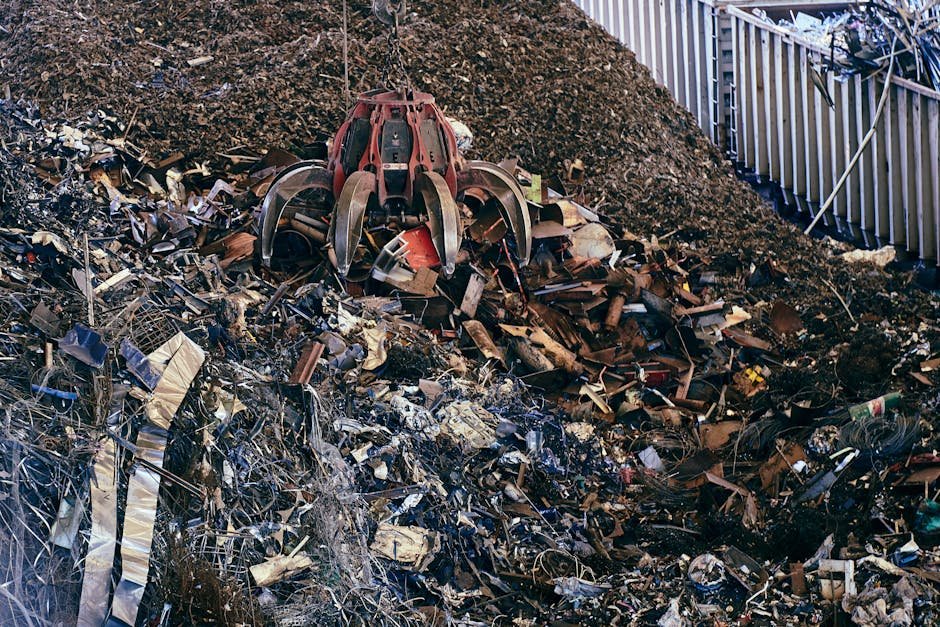

Scrap metal Botany represents a critical hub in Australia’s recycling ecosystem, processing thousands of tonnes annually through specialized facilities. The Port Botany precinct serves as a strategic location for scrap metal operations due to its transportation links and industrial zoning. Understanding the classifications, processing methods, and environmental advantages of scrap metal botany helps businesses and individuals contribute to circular economy principles while maximizing financial returns from recyclable materials. This guide details operational frameworks unique to the Botany industrial corridor.
Scrap Metal Botany: Industrial Context and Infrastructure
Botany’s industrial landscape hosts advanced metal recycling facilities leveraging deep-water port access for efficient import/export. Major processors handle 200,000+ tonnes annually, servicing construction, manufacturing, and demolition sectors across Sydney. The area’s concentration of scrap yards benefits from integrated logistics networks, including direct rail connections to national transport corridors. This infrastructure enables cost-effective processing of metals from regional NSW, including feeder streams from areas like Goulburn – learn about regional collection points via our goulburn scrap metal resource.
Comprehensive Scrap Metal Grading System
Scrap metal is categorized by composition, purity, and physical characteristics:
- Ferrous Metals: Magnetic irons and steels representing ~80% of Botany’s scrap volume. Grades range from #1 HMS (heavy melting steel >1/4″ thick) to shredded auto scrap.
- Non-Ferrous Metals: Higher-value non-magnetic metals. Botany processors pay premium rates for clean copper wire (#1 Bare Bright), aluminum extrusions, and stainless steel (304/316 grades).
- Specialty Alloys: Aerospace titanium, brass cartridge cases, and lead battery plates require specialized handling. Contamination thresholds are critical – even 1% PVC in copper wiring downgrades classification.
Australian scrap yards adhere to ISRI (Institute of Scrap Recycling Industries) specifications. Current Scrap Metal Prices fluctuate daily based on LME (London Metal Exchange) benchmarks.
The Scrap Metal Recycling Process: Step-by-Step
Botany facilities deploy integrated processing chains:
1. Collection & Weighing: Materials arrive via dedicated scrap collection routes or public drop-offs. Licensed scales certify inbound weights – a prerequisite for transparent payment calculations.
2. Sorting & Pre-processing: Advanced techniques include:
– Magnetic separation for ferrous recovery
– Eddy current systems ejecting aluminum
– XRF (X-ray fluorescence) guns verifying alloy composition
– Manual dismantling of e-waste for copper recovery
3. Size Reduction: Industrial shredders with 10,000hp motors fragment cars and appliances into fist-sized pieces. Fragmentizers achieve 98% metal liberation from attached plastics.
4. Purification & Smelting: Non-ferrous metals undergo electrolytic refining to 99.9% purity. Electric arc furnaces melt steel scrap at 1,600°C, consuming 75% less energy than virgin ore processing.
5. Manufacturing Ready Output: Final products include:
– Steel billets for construction
– Aluminum ingots for automotive casting
– Copper cathodes for electrical applications
Local services are detailed in our Scrap Metal Recycling Near Me directory.
Environmental Impact Analysis
Recycling metals in Botany delivers measurable ecological advantages:
- Energy Conservation: Aluminum recycling uses 5% of the energy required for primary production – saving 14,000 kWh per tonne
- Emissions Reduction: Every tonne of recycled steel prevents 1.5 tonnes of CO2 emissions. Botany’s annual processing avoids 300,000+ tonnes of greenhouse gases
- Resource Preservation: Recycling extends iron ore reserve viability by centuries. Each recycled aluminum can saves the equivalent energy of powering a TV for 3 hours
- Toxicity Mitigation: Proper processing captures lead, mercury, and cadmium from e-waste, preventing groundwater contamination. Modern shredders feature closed-loop water systems and HEPA filtration
Botany-Specific Recycling Infrastructure
Key facilities around Port Botany include:
- Shredder Yards: 3,000+ tonne/day capacity plants with downstream separation technologies
- Non-Ferrous Refineries: Electrolytic copper purification systems serving electronics manufacturers
- Export Terminals: Dedicated wharves loading processed scrap onto bulk carriers for Asian markets
- ISO 14001 Certified Sites: Facilities implementing audited environmental management systems
Discover local options through our dedicated botany scrap metal services portal.
Practical Guide to Selling Scrap in Botany
Maximize returns with these professional strategies:
Material Preparation:
– Degrease and dismantle assemblies (e.g., remove copper windings from motors)
– Separate metals by grade using magnet tests
– Avoid mixed loads – contamination reduces value by 15-40%
Volume Optimization:
– Compact vehicles using loggers before transport
– Bundle copper wire into coils >30cm diameter
– Crush aluminum cans to reduce bulk
Regulatory Compliance:
– Provide photo ID per NSW Scrap Metal Industry Act 2016
– Obtain weighbridge tickets for all transactions
– Commercial sellers require waste transport certificates
Future market insights are available in our Sell Scrap Metal Near Me In 2026 forecast.
Economic Contributions of Botany’s Scrap Industry
The scrap sector injects $500M+ annually into Sydney’s economy, employing 1,200+ locally. Infrastructure advantages include:
- Barge access from Sydney waterways reducing truck traffic
- On-site slag processing converting furnace byproducts into construction aggregates
- Closed-loop recycling partnerships with manufacturers like Bluescope Steel
Export revenue exceeds $280M/year, with shredded steel and copper cathodes shipped to Japan, South Korea, and China.
Innovations in Metal Recycling Technology
Botany facilities deploy cutting-edge systems:
- AI Sorting: Machine vision systems identify alloy types on conveyor belts at 200+ items/minute
- Plasma Arc Separation: Superheated gas torches recover precious metals from circuit boards
- Carbon Capture: Pilot projects testing amine scrubbing of furnace exhaust gases
- Hydrogen-Ready Furnaces: Future-proof installations accepting hydrogen fuel for zero-carbon smelting
Track these advancements through our national platform at ScrapTrade Australia.
Conclusion: Botany’s Role in Sustainable Metal Management
Scrap metal botany operations exemplify industrial-scale resource recovery, transforming discarded materials into manufacturing inputs while delivering 80-95% energy savings versus primary extraction. As global demand for low-carbon materials intensifies, Botany’s strategic infrastructure positions it as Australia’s premier metals recycling corridor. Continued investment in purification technologies and renewable-powered processing will amplify these environmental benefits. Businesses seeking competitive returns should prioritize grade separation and leverage real-time Scrap Metal Prices data. Explore comprehensive recycling solutions nationwide at ScrapTrade’s Australian platform.
Frequently Asked Questions
What metals attract the highest prices in Botany?
Clean copper (#1 Bare Bright) and high-grade aluminum (extrusions, wheels) command top rates, often 3-5x ferrous values. Precious metal-containing electronics like PCBs and catalytic converters require specialized processing but yield significant returns.
How do Botany recyclers handle hazardous materials in scrap?
Licensed facilities utilize containment bays for PCB-containing equipment, mercury switches, and lead-acid batteries. Captured toxins undergo stabilization and secure landfill disposal. Modern shredders feature vapor containment systems meeting NSW EPA requirements.
Can individuals access Botany’s scrap facilities?
Most industrial yards serve commercial suppliers, though several public drop-off centers operate near Botany. These accept household quantities of aluminum cans, copper wire, and steel items – typically requiring loads under 100kg without appointment.
How does Botany’s port access impact scrap exports?
Deep-water berths enable direct loading of 50,000-tonne bulk carriers, reducing double-handling costs. This infrastructure advantage makes Botany scrap competitive internationally, with shipping costs 15-20% lower than trucked material from inland regions.
Frequently Asked Questions
What are the main categories of scrap metal processed in Botany?
Botany facilities primarily handle ferrous metals (steel, iron) and non-ferrous metals like copper, aluminum, and brass. Specialty alloys including stainless steel, lead, and zinc are also processed. Ferrous scrap constitutes approximately 80% of volume, while non-ferrous metals yield higher value returns.
How does metal recycling in Botany reduce environmental impact?
Recycling metals in Botany slashes energy use by 75-95% compared to virgin production and reduces CO2 emissions by 200-500 million tonnes annually. It conserves natural resources, reduces landfill usage, and prevents groundwater contamination by safely processing toxic elements from electronic waste.
What preparation steps maximize scrap value in Botany?
Key preparation includes separating metals by type using magnet tests, removing contaminants like plastic or rubber, and compacting bulky items. Clean, sorted metals typically fetch 15-40% higher prices. Degreasing ferrous metals and bundling copper wire also increases value significantly.
Are there weight minimums for selling scrap to Botany recyclers?
Commercial yards typically require 100kg+ for efficient processing, though some facilities accept smaller loads from individuals. Industrial sellers usually deliver multi-tonne consignments. Vehicle scrap processors often accept single cars, while non-ferrous specialists may take smaller high-value items like copper wire or catalytic converters.