
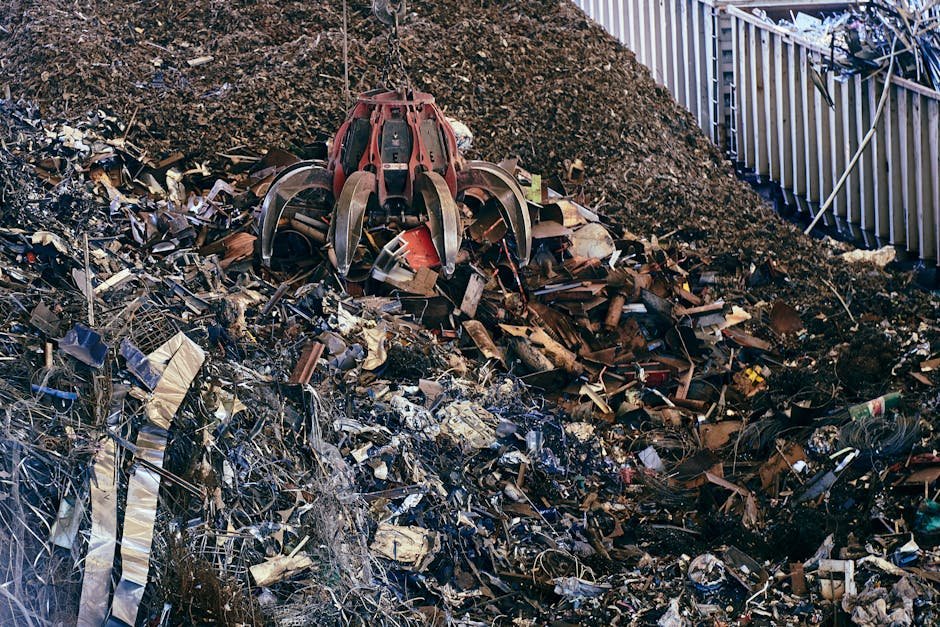

The phrase scrap metal recycling Peakhurst Heights refers to the systematic process of collecting, categorizing, and reprocessing discarded metal materials in one of Sydney’s key residential and industrial zones. This comprehensive guide explores the full lifecycle of scrap metal recycling in Peakhurst Heights, including metal grading standards, collection and processing methodologies, environmental advantages, economic incentives, and best practices for residents and businesses. As urban development continues to grow in southern Sydney, responsible scrap metal management has become essential for sustainability, regulatory compliance, and resource recovery.
What Is Scrap Metal Recycling in Peakhurst Heights?
Scrap metal recycling Peakhurst Heights is a vital component of the region’s waste management and resource recovery infrastructure. Located in the St George area of southern Sydney, Peakhurst Heights is surrounded by residential neighborhoods, light industrial zones, and transport corridors that generate significant volumes of post-consumer and post-industrial metal waste. From household renovations and demolition projects to commercial machinery decommissioning, metals are a common byproduct. Instead of ending up in landfills, these materials are collected and recycled to recover valuable raw materials and reduce environmental impact.
Recycling operations in the area are supported by licensed scrap yards, certified metal traders, and council-approved drop-off points. These facilities accept a wide range of ferrous and non-ferrous metals, including steel, iron, copper, aluminium, brass, and stainless steel. Each material is sorted by grade, cleaned, and processed for shipment to domestic or international smelters. The proximity of Peakhurst Heights to major recycling hubs in Sydney allows for efficient logistics and competitive pricing for scrap suppliers.
The process begins at the source — homes, construction sites, automotive workshops, and manufacturing facilities. Residents and contractors can bring their scrap directly to local recyclers or schedule pickups through licensed operators. The collected materials are then weighed, assessed for quality, and paid for based on current market rates. This incentivizes participation and supports a thriving secondary materials economy.
Understanding Scrap Metal Grades in Australia
One of the most critical aspects of scrap metal recycling Peakhurst Heights is the accurate classification of metal grades. The value of scrap is determined by its type, purity, condition, and market demand. Australia follows international standards for scrap metal grading, primarily aligned with the Institute of Scrap Recycling Industries (ISRI) and the Australian Bureau of Statistics (ABS) classifications. Proper grading ensures fair pricing, efficient processing, and high-quality output from recycled materials.
Metals are broadly divided into two categories: ferrous and non-ferrous. Ferrous metals contain iron and are magnetic, while non-ferrous metals do not contain iron and are typically more valuable due to their resistance to corrosion and higher conductivity.
Ferrous Metal Grades
Ferrous metals are the most commonly recycled materials due to their widespread use in construction, automotive manufacturing, and infrastructure. Common ferrous scrap types include:
- Heavy Melting Steel (HMS 1 & 2): Thick sections of steel from structural beams, machinery, and automotive frames. HMS 1 is cleaner with fewer contaminants, while HMS 2 allows for some attached non-ferrous materials.
- Shredded Steel: Processed through industrial shredders, this includes crushed cars and appliances. It’s often mixed with light iron and requires further sorting.
- Plate and Structural: High-quality steel plates, girders, and channels from demolition sites.
- Cast Iron: Found in engine blocks, pipes, and machinery bases. Valued for its durability but processed separately due to carbon content.
These ferrous grades are typically sold by the tonne and are essential feedstock for electric arc furnaces (EAFs) in steel production.
Non-Ferrous Metal Grades
Non-ferrous metals command higher prices due to their scarcity and industrial applications. Key grades include:
- Copper: Graded as Bare Bright (clean, uncoated wire), #1 Copper (clean tubing and wire), and #2 Copper (slightly oxidized or soldered). Copper is critical in electrical wiring and plumbing.
- Aluminium: Includes clean sheet, cast aluminium, and insulated wire. Recycled aluminium uses only 5% of the energy required to produce primary aluminium.
- Brass: Used in fittings, valves, and musical instruments. Must be free of excessive zinc or iron contamination.
- Stainless Steel: Graded by alloy content (e.g., 304, 316). Common in kitchenware, medical equipment, and industrial piping.
- Lead and Zinc: Recovered from batteries and roofing materials, though less common in residential scrap.
Accurate grading is essential — mixing metals or including contaminants can reduce value or lead to rejection. Recyclers in Peakhurst Heights use handheld XRF (X-ray fluorescence) analyzers and magnetic testing to verify composition.
How Scrap Metal Recycling Works: From Collection to Reuse
The journey of scrap metal in scrap metal recycling Peakhurst Heights follows a well-defined chain of operations, ensuring maximum recovery and safety. The process spans several stages: collection, sorting, processing, transportation, and final remelting.
1. Collection and Drop-Off
Residents and businesses in Peakhurst Heights can dispose of scrap metal through several channels:
- Local scrap yards and recycling depots
- Council e-waste and hard waste events
- Private pickup services
- Construction and demolition waste contractors
For those seeking convenient access, Scrap Metal Recycling Near Me provides a comprehensive directory of licensed facilities within a short drive, including options in nearby suburbs like Lugarno and Menai.
2. Weighing and Assessment
Upon arrival at a recycling facility, scrap is weighed on certified scales. The material is then visually inspected and tested for grade. Ferrous and non-ferrous metals are separated, and contaminants (plastic, rubber, wood) are removed. Pricing is based on real-time commodity markets, with daily rate updates posted at major yards.
3. Sorting and Processing
Advanced sorting technologies are employed to maximize recovery:
- Overhead magnets separate ferrous metals.
- Eddy current separators repel non-ferrous metals like aluminium.
- Optical sorters and AI-driven systems identify alloys.
- Shearing, baling, and shredding reduce volume and prepare materials for transport.
Contamination is a major concern — mixed loads reduce efficiency and can lead to lower returns. Pre-sorting at the source increases value and supports sustainability goals.
4. Transportation to Smelters
Processed scrap is loaded into containers or bulk trucks and shipped to domestic smelters or export terminals. Australia exports significant quantities of non-ferrous scrap to Asia, particularly copper and aluminium, where demand remains strong in electronics and automotive manufacturing.
5. Remelting and Reintegration
At smelting facilities, scrap is melted in furnaces and purified. The resulting ingots or billets are used to manufacture new products — from car parts to building materials. Recycled steel can be reused indefinitely without loss of quality, making it a cornerstone of the circular economy.
Environmental Benefits of Scrap Metal Recycling
One of the most compelling reasons to participate in scrap metal recycling Peakhurst Heights is its profound environmental impact. Recycling metals reduces the need for virgin resource extraction, cuts greenhouse gas emissions, and conserves energy.
Energy Conservation
Producing metals from raw ore is extremely energy-intensive. For example:
- Recycling aluminium saves up to 95% of the energy required for primary production.
- Steel recycling saves approximately 60-75% of the energy used in blast furnace operations.
- Copper recycling uses only 15% of the energy needed to mine and refine new copper.
This energy saving translates into lower electricity demand, reduced fossil fuel consumption, and decreased carbon emissions.
Reduction in Landfill Waste
Metals are non-biodegradable and can persist in landfills for hundreds of years. By diverting scrap from landfill, recycling reduces soil and water contamination risks. In New South Wales alone, over 2.5 million tonnes of metal are recycled annually, preventing significant environmental degradation.
Lower Carbon Footprint
According to the Australian Bureau of Statistics, recycling one tonne of steel prevents 1.5 tonnes of CO₂ emissions. For aluminium, the savings are even greater — up to 9 tonnes of CO₂ per tonne of recycled metal. These reductions contribute directly to Australia’s climate targets under the Paris Agreement.
Preservation of Natural Resources
Mining for metals causes deforestation, habitat destruction, and water pollution. By reusing existing materials, recycling reduces the pressure on ecosystems like the Pilbara iron ore fields and the Queensland bauxite reserves. Every tonne of recycled copper means less need to process 100 tonnes of ore.
Economic Incentives and Industry Trends
Scrap metal recycling Peakhurst Heights is not just environmentally sound — it’s also economically beneficial. The industry supports thousands of jobs across Australia, from collection and sorting to logistics and manufacturing.
Local recyclers offer competitive pricing based on global commodity indexes. For instance, copper prices fluctuate with demand from China and Europe, while steel prices are influenced by construction activity and government infrastructure spending. Residents and businesses in Peakhurst Heights can monitor real-time rates through platforms like Scrap Trade Australia, which aggregates market data and connects suppliers with buyers.
The industry is also evolving with technology. Automation, blockchain traceability, and AI-driven sorting are improving efficiency and transparency. To understand how these innovations are shaping the future, read Bg Scrap Metal How Scrap Metal Recycling Is Evolving In The Global Scrap Industry.
Moreover, businesses that generate large volumes of scrap — such as demolition contractors, automotive repair shops, and manufacturers — can benefit from long-term recycling partnerships. Companies like York Metal Recycling Efficient And Profitable Scrap Solutions offer tailored programs for bulk collection, on-site storage, and financial reporting.
Best Practices for Residents and Businesses
To maximize the benefits of scrap metal recycling Peakhurst Heights, follow these expert-recommended practices:
- Sort metals by type: Separate copper, aluminium, steel, and brass to avoid cross-contamination and increase value.
- Remove non-metal components: Strip insulation from wires, remove plastic fittings from pipes, and clean oil from machinery parts.
- Store safely: Keep scrap in dry, secure areas to prevent rust and theft, especially for high-value metals like copper.
- Use licensed recyclers: Ensure your chosen facility holds EPA and NSW Environment Protection Authority permits to avoid illegal dumping and ensure ethical processing.
- Keep records: Businesses should maintain logs of scrap sales for tax and compliance purposes.
- Stay informed: Follow market trends and rate changes through trusted sources like Scrap Trade Australia, a leading industry portal for pricing, regulations, and news.
For residents in nearby areas, similar services are available. If you’re in the southwest corridor, explore scrap metal recycling ingleburn. For those in western Sydney, scrap metal recycling seven hills offers accessible drop-off points and competitive rates.
Regulatory Framework and Compliance
Scrap metal recycling in Australia is governed by strict environmental and safety regulations. In New South Wales, the Protection of the Environment Operations Act 1997 requires all recycling facilities to hold an Environment Protection Licence (EPL). These licences mandate proper handling, storage, and documentation of scrap materials, especially those containing hazardous substances like lead or mercury.
The NSW EPA also enforces anti-theft measures under the Metals Recycling Industry Act 2011. This law requires recyclers to verify the identity of sellers, maintain transaction records, and report suspicious activity. These measures help combat metal theft from infrastructure, telecommunications, and rail networks.
Additionally, recyclers must comply with Work Health and Safety (WHS) standards, particularly when handling heavy machinery, shredding equipment, and combustible dust. Regular audits and inspections ensure ongoing compliance.
Consumers and businesses should only engage with licensed operators to ensure legal and ethical processing. Unlicensed yards may offer higher prices but often engage in illegal dumping or tax evasion, undermining the integrity of the recycling sector.
Future of Scrap Metal Recycling in Peakhurst Heights
The future of scrap metal recycling Peakhurst Heights is promising, driven by urban growth, technological innovation, and increasing environmental awareness. As Sydney continues to expand, so too will the volume of construction and demolition waste, much of which contains valuable recyclable metals.
Smart recycling initiatives, such as IoT-enabled bins and digital tracking platforms, are expected to improve collection efficiency and transparency. Municipalities may adopt mandatory metal recycling policies for developers, similar to those in place in Melbourne and Brisbane.
Moreover, the rise of electric vehicles (EVs) and renewable energy infrastructure will increase demand for copper, lithium, and rare earth metals. Recycling will play a crucial role in securing these critical minerals and reducing reliance on imports.
Community education programs, school partnerships, and council outreach will further boost participation. By fostering a culture of responsible resource management, Peakhurst Heights can become a model for sustainable urban recycling in Australia.
Conclusion: Why Scrap Metal Recycling Matters
Scrap metal recycling Peakhurst Heights is more than just a waste management solution — it’s a cornerstone of environmental sustainability, economic resilience, and industrial innovation. By understanding metal grades, following best practices, and partnering with licensed recyclers, residents and businesses can contribute to a cleaner, more efficient future.
From conserving energy and reducing emissions to supporting local jobs and global supply chains, the benefits of recycling are undeniable. As technology advances and demand for recycled materials grows, the role of communities like Peakhurst Heights will only become more significant.
Start today by sorting your scrap, researching local options, and choosing ethical, compliant recycling partners. Whether you’re in Peakhurst Heights or neighboring suburbs, your participation makes a difference.
Frequently Asked Questions
What types of metal can I recycle in Peakhurst Heights?
You can recycle both ferrous metals (like steel and iron) and non-ferrous metals (such as copper, aluminium, brass, and stainless steel). Most local recyclers accept household items like appliances, car parts, and construction materials.
How is scrap metal priced in Peakhurst Heights?
Scrap metal prices are based on global commodity markets, metal grade, and purity. Rates are typically quoted per kilogram or tonne and fluctuate daily. Non-ferrous metals like copper and aluminium generally fetch higher prices than ferrous metals.
Do I need to sort my scrap before dropping it off?
Yes, pre-sorting increases the value of your scrap and ensures faster processing. Separate metals by type and remove non-metal components like plastic or rubber to maximize returns.
Are there regulations for scrap metal recycling in NSW?
Yes, recyclers must hold an Environment Protection Licence and comply with anti-theft laws under the Metals Recycling Industry Act 2011. Sellers may need to provide ID, and all transactions are recorded for compliance.