
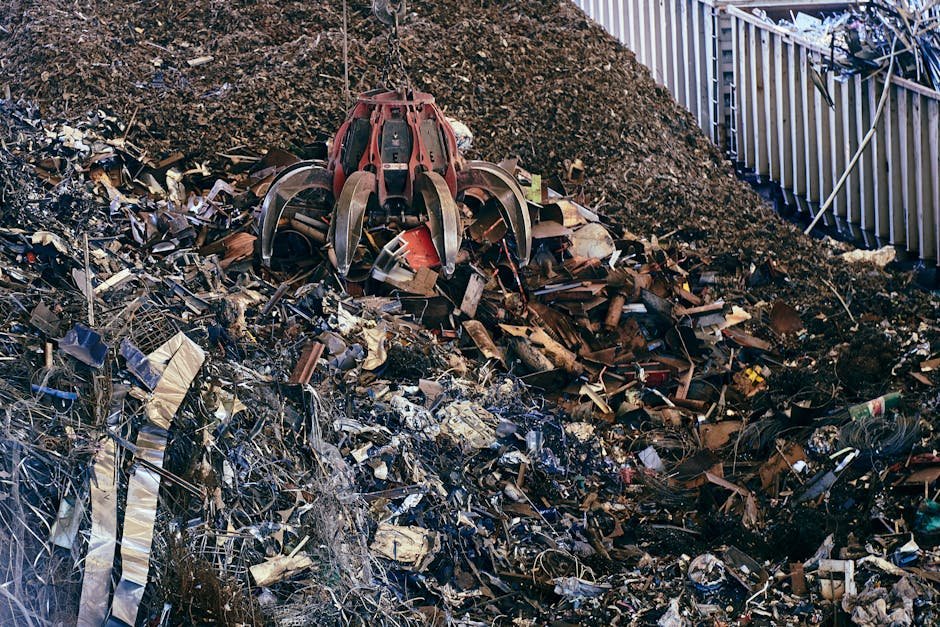

Blacktown, a hub for sustainable practices in New South Wales, plays a pivotal role in Australia’s scrap metal recycling industry. The blacktown scrap metal sector not only supports local economic growth but also contributes significantly to reducing environmental degradation. This guide explores the grades of scrap metal traded in the region, the intricacies of the recycling process, and the environmental and economic advantages of recycling. Whether you’re a trader, business owner, or environmentally conscious individual, this resource will help you navigate the world of blacktown scrap metal with expertise.
Overview of Blacktown’s Scrap Metal Industry
Blacktown’s strategic location and industrial infrastructure make it a critical node in Australia’s recycling network. The region handles a substantial volume of scrap metal annually, with facilities specializing in both ferrous and non-ferrous materials. Key players in the area, including licensed recyclers and trading platforms like Scrap Trade, ensure efficient processing and redistribution of metals to manufacturers, construction companies, and energy firms. The demand for scrap metal Blacktown remains robust, driven by Australia’s commitment to circular economy principles.
Understanding Scrap Metal Grades in Blacktown
The scrap metal industry in Blacktown is categorized into two primary grades: ferrous and non-ferrous metals. These classifications determine processing methods, market value, and end-use applications.
Ferrous Metals
- Steel and Iron: Comprising iron and carbon, these metals are magnetic and often sourced from demolition projects, vehicles, and industrial machinery. They are the most recycled materials globally, with over 90% of steel being reused.
- Cast Iron: Heavier and brittle, used in construction and manufacturing. Blacktown recyclers often process this grade for infrastructure projects.
Non-Ferrous Metals
- Copper and Brass: High in conductivity, these are ideal for electrical wiring and plumbing. Recycling copper saves up to 90% of the energy required to mine new ore.
- Aluminum: Lightweight and corrosion-resistant, commonly sourced from beverage cans, packaging, and aerospace materials. Blacktown’s recyclers prioritize aluminum due to its high market value and low processing costs.
- Zinc and Lead: Used in batteries, coatings, and construction. These metals require specialized handling due to their toxicity and recycling complexity.
For accurate pricing and grade identification, refer to scrap metal prices and consult certified recyclers in the area.
The Recycling Process for Scrap Metal in Blacktown
The recycling process in Blacktown follows a structured, eco-friendly workflow to maximize efficiency and minimize waste:
- Collection: Scrap is gathered from industrial sites, demolition projects, and household sources. Scrap metal collection Blacktown services streamline this phase, offering bulk pickups and portable crushing units for large items.
- Sorting and Classification: Advanced Eddy Current Separators and magnetic systems separate ferrous and non-ferrous metals. Manual sorting ensures high-purity grades for specialty markets.
- Processing: Metals are shredded, compacted, or melted down. Blacktown facilities use state-of-the-art shredders to reduce volumes and improve transport efficiency.
- Repurposing: Recycled metals are sold to manufacturers for producing new products, reducing the need for raw material extraction.
For a seamless recycling experience, explore scrap metal recycling near me to locate nearby facilities.
Environmental Benefits of Scrap Metal Recycling
Recycling blacktown scrap metal yields substantial environmental benefits, aligning with Australia’s sustainability goals:
- Reduction of Landfill Waste: Recycling diverts over 8 million tons of metal from landfills annually in Australia, reducing soil and water contamination.
- Energy Conservation: Producing steel from recycled scrap saves 74% of the energy required for new iron ore processing. Similarly, recycling aluminum uses 95% less energy than primary production.
- Lower Carbon Emissions: The Australian recycling sector reduces CO2 emissions by 15 million tons yearly, equivalent to removing 3.2 million cars from roads.
- Resource Preservation: Recycling extends the life cycle of finite resources like copper and zinc, reducing the environmental impact of mining operations.
For more on how recycling impacts the planet, visit ScrapTrade Australia for in-depth reports.
How to Sell Scrap Metal in Blacktown
Residents and businesses in Blacktown can optimize their scrap sales by following these steps:
- Assess the Grade: Identify whether your scrap is ferrous or non-ferrous using online resources or local recycling centers.
- Prepare the Material: Remove contaminants like plastic, wood, and non-metallic components to maximize value. Clean scrap fetches higher prices.
- Research Market Rates: Check scrap metal prices to understand current rates for your material type.
- Choose a Reputable Recycler: Verify the recycler’s licensing and environmental compliance. Blacktown’s top recyclers offer transparent pricing and timely payments.
- Utilize Collection Services: Large volumes can be handled through scrap metal collection Blacktown services, which include free assessments and competitive bids.
To simplify the process, use Sell Scrap Metal Near Me In 2026 to connect with trusted buyers instantly.
Economic Impact and Community Benefits
The blacktown scrap metal industry generates significant economic value for the region:
- Job Creation: Over 10,000 jobs in NSW are linked to recycling, including roles in collection, processing, and logistics.
- Support for Local Manufacturing: Recycled metals supply 30% of Australia’s steel production, reducing reliance on imported materials.
- Revenue Streams: Households and businesses earn income by selling scrap, while recyclers benefit from stable commodity markets.
Community programs, such as school-based recycling drives and corporate sustainability partnerships, further strengthen Blacktown’s circular economy.
Challenges and Innovations in Scrap Recycling
While the industry thrives, challenges persist:
- Contamination: Non-metallic materials in scrap reduce purity and market value. Innovations like AI-powered sorting robots are improving separation accuracy.
- Price Volatility: Global commodity markets affect scrap prices. Blockchain-based tracking systems enhance transparency and stabilize valuations.
- Regulatory Compliance: Stringent environmental laws require recyclers to invest in clean technologies. Blacktown’s facilities are adopting electric shredders and closed-loop water systems to meet standards.
Staying informed about these developments ensures long-term success for traders and recyclers in the region.
Conclusion and Future Outlook
The blacktown scrap metal sector is a cornerstone of Australia’s sustainable development strategy. By embracing advanced recycling technologies and community engagement, the region continues to lead in environmental stewardship. As demand for recycled materials grows, Blacktown’s role in the circular economy will expand, offering opportunities for innovation and economic growth. For those seeking to participate in this vital industry, platforms like Scrap Trade provide the tools and connections needed to thrive in 2026 and beyond.
Practical Tips for Scrap Metal Traders in Blacktown
1. **Stay Updated on Market Trends:** Monitor scrap metal prices weekly to time sales effectively.
2. **Invest in Storage Solutions:** Use secure, weatherproof containers to protect scrap from rust and contamination.
3. **Network with Industry Professionals:** Join local trade associations to access insights on emerging technologies and regulations.
4. **Leverage Digital Tools:** Use apps like Sell Scrap Metal Near Me In 2026 to automate buyer connections and pricing negotiations.
5. **Educate Stakeholders:** Promote the benefits of recycling to clients and partners to drive long-term demand for blacktown scrap metal.
Advanced Recycling Technologies in Blacktown
Blacktown’s recyclers are adopting cutting-edge technologies to enhance efficiency and sustainability:
- AI-Powered Sorting Systems: Machine learning algorithms identify metal grades with 99% accuracy, reducing manual sorting costs.
- Hydro-Crushing Units: These machines compact scrap using water jets, minimizing dust and energy consumption.
- Blockchain for Traceability: Recyclers use blockchain to document the origin and processing of scrap, ensuring compliance with international sustainability standards.
These advancements position Blacktown as a leader in sustainable industrial practices, attracting investment and talent to the region.
Frequently Asked Questions
What are the main grades of scrap metal in Blacktown?
Blacktown’s scrap metal industry is divided into ferrous metals (e.g., steel, iron) and non-ferrous metals (e.g., copper, aluminum). Ferrous metals are magnetic and widely used in construction, while non-ferrous metals are valued for their conductivity and corrosion resistance.
How does the scrap metal recycling process work in Blacktown?
Scrap metal in Blacktown is collected, sorted using magnetic and optical systems, processed into compact forms, and then repurposed into new products. Facilities like scrap metal collection Blacktown streamline the entire workflow.
What environmental benefits does recycling scrap metal provide?
Recycling reduces landfill waste, conserves energy (e.g., 95% less energy for aluminum), lowers CO2 emissions, and preserves finite resources. Australia’s recycling sector alone prevents 15 million tons of CO2 emissions annually.
How can I sell scrap metal in Blacktown efficiently?
Prepare your scrap by removing contaminants, research scrap metal prices, and use platforms like Sell Scrap Metal Near Me In 2026 to connect with certified recyclers for competitive bids.