
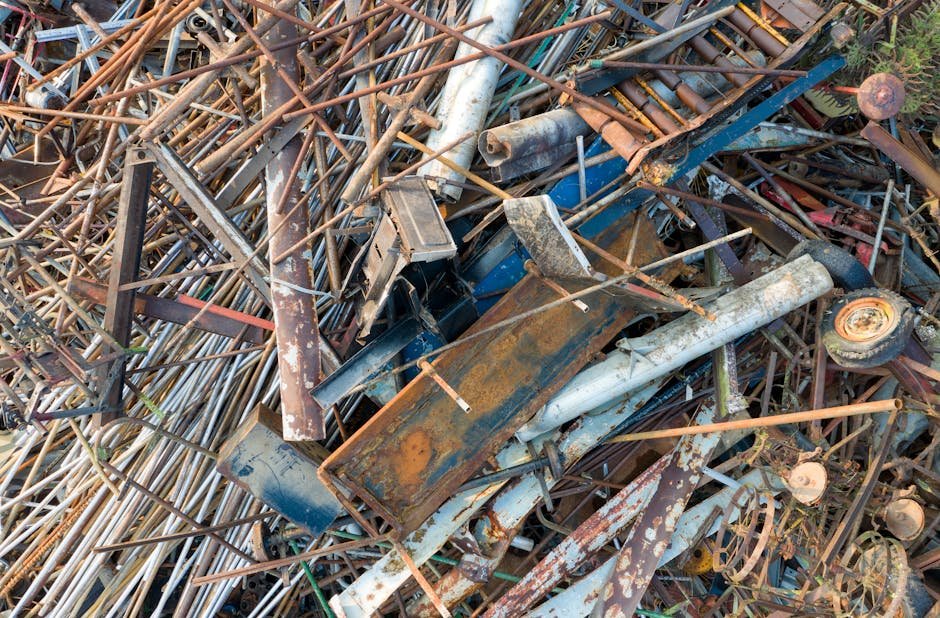

Scrap metal recycling Camden plays a vital role in Australia’s circular economy, transforming discarded metals into reusable raw materials. Understanding the grades of scrap metal, the recycling process, and its environmental impact is essential for individuals and businesses seeking sustainable solutions. This guide provides expert insights into Camden’s recycling ecosystem, practical tips for selling scrap, and the broader benefits of responsible metal recovery.
Overview of Scrap Metal Recycling in Camden
Camden, a hub for industrial activity in New South Wales, has a thriving scrap metal recycling sector. The region’s proximity to Sydney and major transport networks makes it a strategic location for recycling operations. Local facilities handle thousands of tonnes of scrap annually, recovering metals from construction, automotive, and manufacturing sectors. By prioritizing recycling, Camden contributes to Australia’s goal of reducing landfill waste and conserving natural resources.
Grades of Scrap Metal in Camden
Scrap metals are categorized into two primary grades: ferrous and non-ferrous. Ferrous metals, such as steel and iron, contain iron and are magnetic. Non-ferrous metals—like copper, aluminium, brass, and stainless steel—are lightweight, corrosion-resistant, and non-magnetic. Each grade has distinct recycling processes and market values.
Common Ferrous Scrap Grades
- Steel: Used in construction, automotive, and appliances. Recycled into new steel products.
- Cast Iron: Found in machinery and engine parts. Requires specialized processing.
- Wrought Iron: Rare but highly recyclable, often sourced from historical structures.
Common Non-Ferrous Scrap Grades
- Copper: High demand for electrical wiring and plumbing. Among the most valuable scrap.
- Aluminium: Lightweight and infinitely recyclable. Common in beverage cans and vehicle parts.
- Brass: Mixture of copper and zinc. Used in plumbing fixtures and musical instruments.
For accurate grading and pricing, connect with scrap metal recycling near me services in Camden to assess your materials.
How Scrap Metal Recycling Works in Camden
The recycling process involves several stages to ensure metals are efficiently recovered and repurposed:
1. Collection and Sorting
Scrap is collected from industrial sites, demolition projects, and households. Advanced sorting techniques, including magnetic separators and X-ray fluorescence (XRF) scanners, distinguish between ferrous and non-ferrous metals. Contaminants like plastic or concrete are removed to ensure purity.
2. Processing and Shredding
Metal fragments are shredded into smaller pieces using hydraulic shears or balers. This increases surface area for melting and reduces transportation costs. Camden facilities often employ automated systems for precision and efficiency.
3. Melting and Refining
Shredded metal is melted in electric arc furnaces (for steel) or induction furnaces (for non-ferrous metals). Impurities are removed through chemical treatments, resulting in molten metal ready for casting.
4. Reuse and Manufacturing
Refined metal is cast into ingots, sheets, or coils for use in construction, automotive, and electronics industries. For example, recycled steel from Camden is frequently used in Sydney’s infrastructure projects.
For a seamless experience, explore Sell Scrap Metal Near Me In 2026 to book pickups and receive competitive rates.
Environmental Benefits of Scrap Metal Recycling
Recycling metal significantly reduces environmental degradation compared to mining raw materials. Key benefits include:
1. Energy Conservation
Producing steel from recycled scrap uses 60% less energy than from iron ore. Similarly, aluminium recycling saves 95% of the energy required for primary production. Camden’s recycling efforts help Australia meet its energy efficiency targets.
2. Reduction of Greenhouse Gas Emissions
The Australian Department of Industry estimates that recycling 1 tonne of steel prevents 1.5 tonnes of CO₂ emissions. Camden’s facilities collectively offset thousands of tonnes annually by avoiding landfill decomposition and mining-related emissions.
3. Preservation of Natural Resources
Recycling extends the lifecycle of metals, reducing the need to extract finite resources. For instance, recycling copper saves energy and prevents habitat destruction from mining operations in regions like the Pilbara.
4. Landfill Diversion
Scrap metal constitutes a significant portion of construction and demolition waste. By diverting it from landfills, Camden reduces soil and water contamination risks. A 2023 study found that NSW’s recycling initiatives diverted 3.2 million tonnes of waste from landfills in 2022.
Choosing a Scrap Metal Recycling Service in Camden
When selecting a recycling provider, consider the following factors:
- Reputation and Certifications: Ensure the company complies with Australian Standards (e.g., AS 5278 for waste management).
- Grading Expertise: Reputable services accurately assess metal grades to maximize your payout.
- Convenience: Opt for services offering free quotes, bulk collection, and instant payment options.
Compare scrap trading vs. recycling business models to determine which aligns with your needs. For local options, search for scrap metal recycling Ingleburn or scrap metal recycling Bankstown to explore nearby facilities.
Practical Tips for Selling Scrap Metal in Camden
Maximize your returns by following these expert tips:
- Clean and Sort Materials: Remove non-metal components like plastic or wood to avoid downgrading your scrap.
- Know Market Rates: Prices fluctuate based on global demand. Monitor trends for copper and aluminium, which are sensitive to economic shifts.
- Bulk Sales: Selling larger quantities typically results in higher per-unit rates. Use Scrap Trade to access bulk buyer networks.
Economic Impact of Scrap Metal Recycling in Camden
Camden’s recycling industry supports local employment and contributes to the regional economy. Key players include:
- Over 150 registered recyclers operating in the area.
- Annual revenue exceeding $50 million from scrap exports to China, India, and Southeast Asia.
- Partnerships with ScrapTrade.com.au to connect suppliers with international markets.
Future Trends in Scrap Metal Recycling
Innovations in AI-driven sorting, blockchain traceability, and electric vehicle battery recycling are reshaping the industry. Camden-based facilities are investing in technologies like robotic disassembly systems to extract high-value metals from complex waste streams. By 2030, the NSW government aims to achieve a 90% recycling rate for ferrous metals, further solidifying Camden’s role as a regional leader.
Conclusion
Scrap metal recycling Camden is a cornerstone of sustainable development, offering environmental, economic, and social benefits. By understanding metal grades, recycling processes, and market dynamics, individuals and businesses can contribute to a circular economy. Whether you’re disposing of old appliances or managing industrial waste, partnering with certified recyclers ensures your materials are repurposed responsibly. For immediate assistance, visit Scrap Trade to connect with verified buyers and streamline your scrap sales process.
Frequently Asked Questions
What are the main grades of scrap metal recycled in Camden?
The primary grades include ferrous metals (e.g., steel, iron) and non-ferrous metals (e.g., copper, aluminium, brass). Ferrous metals are magnetic and widely used in construction, while non-ferrous metals are valued for their conductivity and corrosion resistance.
How does scrap metal recycling benefit the environment?
Recycling reduces energy consumption, lowers greenhouse gas emissions, conserves natural resources, and diverts waste from landfills. For example, recycling steel saves 60% of the energy required for virgin production.
Where can I sell scrap metal in Camden?
Use platforms like Sell Scrap Metal Near Me In 2026 to connect with local recyclers offering competitive prices and convenient collection services.
What should I consider when choosing a recycling service?
Look for certified providers with expertise in grading, transparent pricing, and eco-friendly practices. Verify their compliance with Australian Standards and compare services in areas like scrap metal recycling Ingleburn.