
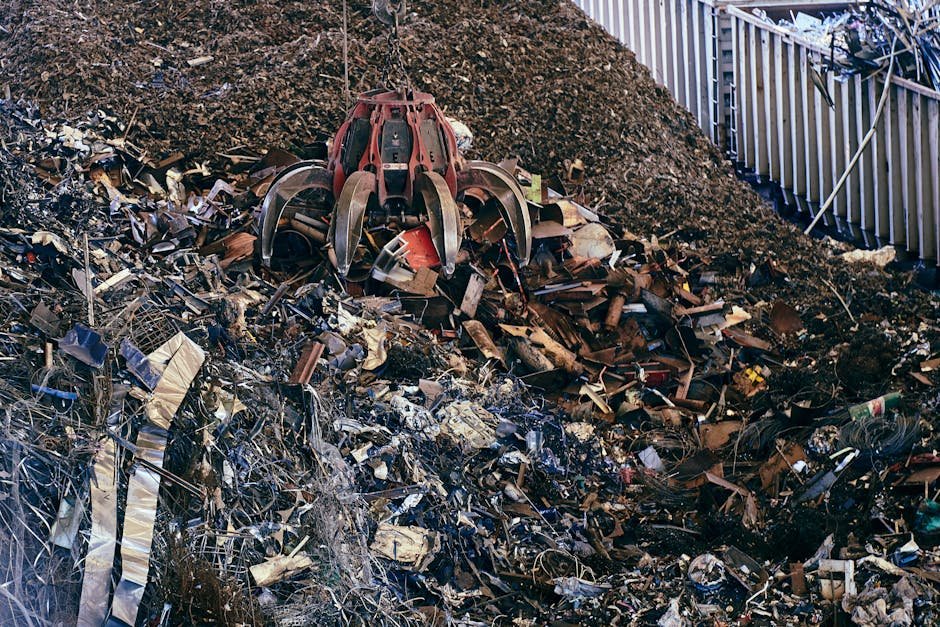

Scrap metal West Sydney plays a vital role in Australia’s circular economy. From industrial waste to household metals, recycling initiatives in New South Wales (NSW) ensure sustainable resource management. This guide explores scrap metal grades, the recycling process, environmental benefits, and practical steps to participate in this critical industry.
Understanding Scrap Metal Grades in Western Sydney
Scrap metal is categorized into two primary types: ferrous and non-ferrous. Ferrous metals, such as steel and iron, contain iron and are magnetic. They are commonly sourced from construction materials, vehicles, and appliances. Non-ferrous metals, including copper, aluminum, brass, and stainless steel, are non-magnetic and prized for their conductivity and corrosion resistance. In Western Sydney, industries like manufacturing and infrastructure development generate significant quantities of both categories.
- Ferrous Grades: Mild steel, rebar, and structural steel dominate due to construction activity in Greater Sydney.
- Non-Ferrous Grades: Copper wiring, aluminum cans, and brass fittings are highly sought after for their recyclability.
- Specialty Scrap: Includes stainless steel and rare metals, often requiring specialized processing.
For accurate valuations, check Scrap Metal Prices or the scrap metal price West Sydney guide to understand current market rates.
The Scrap Metal Recycling Process in NSW
Recycling scrap metal involves a systematic process to ensure materials are repurposed efficiently:
- Collection: Scrap is gathered from demolition sites, manufacturing facilities, and households across Western Sydney.
- Sorting: Automated systems and manual labor separate ferrous and non-ferrous metals. Platforms like Scrap Metal Recycling Near Me streamline this step.
- Shredding/Processing: Metals are compacted or shredded to reduce volume and prepare for melting.
- Melting and Casting: Recycled metals are melted in furnaces and molded into new products, such as construction steel or vehicle parts.
This process diverts millions of tons of waste from landfills annually. For example, in 2023, NSW recycled over 1.2 million metric tons of ferrous scrap alone, according to the NSW Environment Protection Authority.
Environmental Benefits of Scrap Metal Recycling
Recycling scrap metal West Sydney contributes significantly to environmental preservation:
- Resource Conservation: Recycling reduces the need for mining raw materials, preserving ecosystems and biodiversity.
- Energy Efficiency: Producing steel from recycled scrap uses 60% less energy than from iron ore, according to the Australian Recycling Industry Council.
- Carbon Emission Reduction: For every ton of recycled steel, approximately 1.5 tons of CO2 emissions are avoided.
- Landfill Diversion: Metal recycling in Greater Sydney prevents hazardous materials from contaminating soil and water.
By supporting local scrap metal recycling, residents and businesses in Western Sydney actively combat climate change and promote sustainable development.
Practical Tips for Selling Scrap Metal in 2026
Selling scrap metal can be profitable and eco-friendly. Follow these steps to maximize your returns:
- Clean and Sort Materials: Remove contaminants like paint or plastic to increase your scrap’s value.
- Research Market Rates: Use Sell Scrap Metal Near Me In 2026 to compare prices from certified recyclers.
- Choose Reputable Recyclers: Verify that the recycler complies with NSW environmental regulations and offers fair payment.
- Document Your Scrap: For large quantities, provide documentation to streamline the transaction process.
For real-time pricing, visit scrap metal in Sydney to track fluctuations in copper or aluminum values.
Economic Impact of Scrap Metal Recycling in Western Sydney
Scrap metal recycling is a cornerstone of Western Sydney’s economy. The industry employs thousands in roles ranging from logistics to processing. In 2024, the NSW government reported that the recycling sector generated $1.8 billion in economic activity, with scrap metal contributing 40% of this total. By selling scrap, individuals and businesses directly support local jobs and infrastructure growth.
Platforms like Scrap Trade facilitate connections between recyclers and sellers, ensuring a transparent and efficient marketplace. For further insights, visit ScrapTrade.com.au.
Future of Scrap Metal Recycling in Australia
As global demand for sustainable practices grows, Western Sydney is positioning itself as a leader in metal recycling innovation. Advances in AI sorting systems and electric arc furnaces are making recycling more efficient. Additionally, NSW’s 2030 Circular Economy Roadmap aims to divert 90% of construction and demolition waste from landfills, further boosting scrap metal’s role in the region.
Residents and businesses that engage in scrap metal West Sydney initiatives will not only benefit financially but also contribute to a greener future. By staying informed and leveraging resources like Scrap Metal Prices, the community can thrive in this evolving industry.
Frequently Asked Questions
What are the most common scrap metal grades in Western Sydney?
The most common grades include ferrous metals like steel and iron, as well as non-ferrous metals such as copper, aluminum, and brass. Construction and manufacturing activities drive demand for these materials in Greater Sydney.
How does recycling scrap metal benefit the environment?
Recycling reduces landfill waste, conserves natural resources, and lowers energy consumption. For example, producing steel from recycled scrap saves 60% of the energy required to make it from raw materials.
Where can I sell scrap metal in Western Sydney?
Use platforms like Sell Scrap Metal Near Me In 2026 to find certified recyclers in your area. Always verify the recycler’s compliance with NSW environmental standards.
How do I check current scrap metal prices?
Visit Scrap Metal Prices or the scrap metal price West Sydney guide for real-time market rates.