
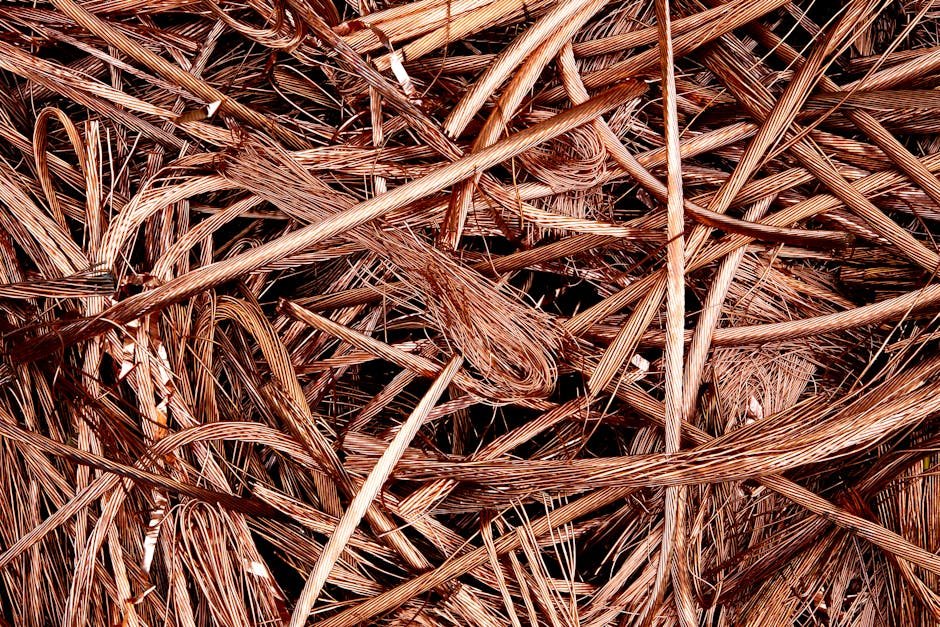

sydney copper scraps auburn play a critical role in Australia’s recycling economy, particularly in New South Wales. As demand for copper grows in construction, electronics, and renewable energy sectors, understanding the grades, recycling workflows, and environmental impact of copper scraps becomes essential for traders, homeowners, and businesses. This guide provides a comprehensive breakdown of the copper scrap ecosystem in Auburn and beyond, with actionable insights for maximizing value and sustainability.
Overview of Copper Scrap Recycling in Sydney
Copper recycling in Sydney has evolved into a cornerstone of the circular economy. With over 300 registered scrap metal dealers in NSW, the industry processes thousands of tonnes of copper scraps annually. Auburn, a key logistics hub in Western Sydney, serves as a central collection and processing point for materials like copper wire, copper pipe, and industrial scrap. The region’s strategic location connects to major ports and transport networks, ensuring efficient redistribution of recycled copper to smelters and manufacturers nationwide.
Copper recycling rates in NSW exceed 70%, driven by stringent environmental regulations and economic incentives. The Scrap Trade platform facilitates transparent transactions by aggregating real-time data on scrap copper prices near me, helping sellers optimize their returns. For instance, bare bright copper—a high-grade material—often commands premiums of $10-15/kg, while #2 copper (mixed, oxidized, or soil-contaminated copper) trades at lower rates depending on purity.
Grades of Scrap Copper in Sydney
Understanding copper scrap grades is crucial for maximizing returns. Key categories traded in sydney copper scraps auburn include:
- Bare Bright Copper: Clean, non-coated copper wire or tubing with minimal oxidation. Typically sourced from electrical systems or air conditioning units. This grade fetches the highest price per kg due to its purity.
- #2 Copper: Mixed copper containing insulation, dirt, or non-copper metals. Common sources include discarded cables, wiring, and plumbing fixtures. Requires manual or mechanical separation before recycling.
- Copper Pipe: Includes plumbing waste like Type L copper tubing. Clean, straight pipes (3ft or longer) are highly valued, while cut or kinked pieces are downgraded.
- Busbar: Rectangular copper conductors from industrial electrical systems. High conductivity makes this grade ideal for remelting into new copper products.
- Copper Wire: Categorised as either clean (bare bright) or insulated (depending on coating material). Insulated wire must be stripped to recover pure copper.
For detailed pricing comparisons, visit the Copper Scrap Group on Scrap Trade.
How Copper Recycling Works in NSW
The recycling process for sydney copper scraps auburn involves several stages:
- Collection: Scrap is gathered from demolition sites, manufacturing facilities, or residential cleanouts. In Auburn, scrap yards often provide free pickup for large volumes.
- Sorting & Grading: Materials are manually or mechanically separated by grade. Optical sorters use near-infrared technology to identify copper versus aluminum or plastic.
- Processing: Insulation is stripped from wires; pipes are cut into manageable lengths. Contaminants like dirt or non-metallic debris are removed.
- Melting & Refining: Sorted copper is melted in induction furnaces at 1,085°C. Impurities are filtered out, producing ingots for reuse in manufacturing.
- Redistribution: Recycled copper is sold to manufacturers for products like wiring, plumbing, and industrial components, closing the material loop.
Recycling copper uses 85% less energy than mining and refining new ore, making it a vital sustainability strategy for NSW industries.
Environmental Benefits of Copper Recycling
Copper recycling in sydney copper scraps auburn delivers measurable environmental advantages:
- Resource Conservation: Recycling one tonne of copper saves approximately 14 tonnes of ore and 1,200 kWh of energy.
- Landfill Reduction: Discarded copper can leach toxic compounds like arsenic into soil. Recycling diverts 90% of construction-related copper waste from landfills in NSW.
- Carbon Emission Cuts: The Australian government estimates that copper recycling reduces CO₂ emissions by 40% compared to primary production.
- Water Savings: Mining copper requires 3,000-5,000 liters of water per tonne. Recycling eliminates this demand entirely.
For businesses in Auburn, partnering with certified recyclers ensures compliance with NSW Environment Protection Authority (EPA) guidelines, including the Scrap Trade platform’s verified trader network.
Market Trends & Copper Price Per Kg in 2024
Copper prices in New South Wales are influenced by global demand, particularly from electric vehicle (EV) battery production and renewable energy infrastructure. In 2024, the average copper price per kg for sydney copper scraps auburn ranges as follows:
- Bare Bright Copper: $9.50–$12.00/kg
- #2 Copper: $6.00–$8.50/kg
- Copper Pipe (clean, straight): $8.00–$10.50/kg
- Copper Wire (insulated): $5.50–$7.50/kg
Prices fluctuate weekly based on LME (London Metal Exchange) benchmarks and local supply. Tools like Scrap Copper Prices Near Me provide real-time tracking. For example, in Q1 2024, bare bright copper prices in Auburn rose 12% due to increased demand from EV manufacturers in the Illawarra region.
Practical Tips for Selling Copper Scraps in Sydney
To maximize profits from sydney copper scraps auburn, follow these best practices:
- Separate Grades: Keep bare bright copper distinct from #2 copper to avoid downgrading. Use a magnet to remove iron contaminants (copper is non-ferrous).
- Document Purity: Provide certificates of composition if you’re a business seller. This builds trust with buyers and justifies higher grades.
- Track Market Trends: Use platforms like Scrap Copper to monitor price fluctuations. Sell during peak demand periods (e.g., March–July for construction projects).
- Partner with Certified Buyers: Choose recyclers licensed by the NSW EPA. These businesses offer fair pricing and proper documentation for tax deductions.
For individual sellers in Auburn, consider bundling small quantities with neighbors to meet minimum weight thresholds (typically 100kg for commercial rates).
Future of Copper Recycling in NSW
As Australia transitions to a net-zero economy, copper recycling in sydney copper scraps auburn will become even more critical. Innovations like AI-driven sorting systems and blockchain-based tracking are improving efficiency and transparency. The NSW government’s 2030 Circular Economy Roadmap targets a 90% recycling rate for copper by 2030, supported by grants for scrap processing facilities in regional hubs like Auburn.
For businesses, investing in on-site copper recovery systems can reduce disposal costs and create a steady revenue stream. Homeowners can contribute by recycling old wiring, appliances, or plumbing fixtures through community collection programs.
Conclusion
sydney copper scraps auburn represent both an economic opportunity and an environmental imperative. By understanding copper grades, recycling workflows, and market dynamics, stakeholders can optimize value while reducing their ecological footprint. Whether you’re a trader, manufacturer, or homeowner, leveraging platforms like Scrap Trade ensures access to the latest pricing data and verified buyers in NSW.
Related: sydney copper scraps (auburn)
Related: sydney copper scraps
Frequently Asked Questions
What are the most valuable grades of copper scraps in Sydney?
Bare bright copper and clean copper pipe are the most valuable, fetching $9.50–$12.00/kg. These grades require minimal processing and high purity.
How is the price per kg determined for copper scraps?
Prices depend on global market trends, local supply, and material purity. Tools like Scrap Trade’s ‘Scrap Copper Prices Near Me’ provide real-time updates.
What environmental benefits does copper recycling offer in NSW?
Copper recycling reduces energy use by 85%, cuts CO₂ emissions by 40%, and prevents toxic leaching from landfills, aligning with NSW’s sustainability goals.
How can I sell copper scraps in Auburn effectively?
Separate grades, use certified recyclers, and track market trends via platforms like Scrap Trade to maximize returns for sydney copper scraps auburn.