
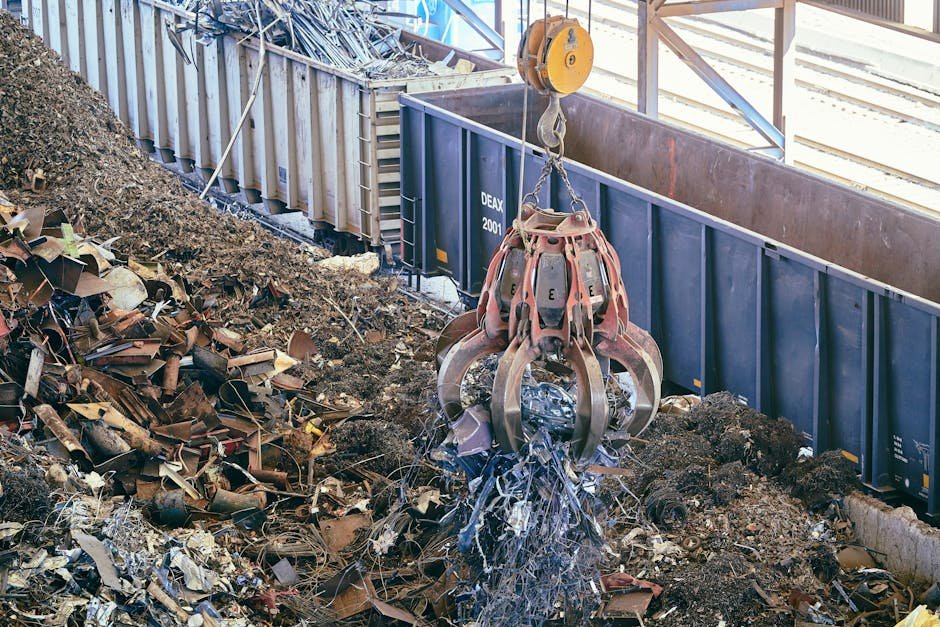

The selling of scrap metal is a vital part of Australia’s recycling economy, offering individuals and businesses a sustainable way to generate income while supporting environmental goals. Whether you’re a homeowner clearing out old appliances or a construction company managing industrial waste, understanding the nuances of the scrap metal market can help you maximize earnings. This guide covers everything from sorting materials to navigating legal requirements, ensuring you can confidently sell scrap metal and contribute to Australia’s circular economy.
Overview of Scrap Metal Selling in Australia
Australia’s scrap metal industry is valued at over $2 billion annually, with ferrous and non-ferrous metals forming the backbone of recycling efforts. The process involves collecting discarded metals, categorizing them by type and quality, and selling them to recyclers or manufacturers. The key to success lies in understanding market dynamics, local regulations, and the grading system that determines scrap metal value. By leveraging platforms like Scrap Trade and ScrapTrade.com.au, sellers can connect with verified buyers and ensure competitive pricing.
How to Sell Scrap Metal Effectively
Selling scrap metal efficiently requires strategic planning. Start by identifying the type and quantity of metal you have. Common categories include steel, copper, aluminium, and brass. Next, research local scrap metal recycling near me providers or online marketplaces to compare offers. Sorting materials by grade and purity is crucial, as this directly impacts the price you receive. For instance, copper wiring with insulation removed (known as “clean copper”) fetches significantly higher rates than mixed scrap. Always negotiate with potential buyers and consider bundling materials to increase your bargaining power.
Maximizing the Best Price for Your Scrap
To secure the best price, stay informed about scrap metal prices, which fluctuate based on global demand, mining outputs, and economic trends. For example, copper prices often rise during infrastructure booms, while steel values may dip when new iron ore is abundant. Preparing your materials for sale also matters. Removing contaminants like plastic, dirt, or residual chemicals increases the appeal to recyclers. Using a magnet to separate ferrous metals (iron and steel) from non-ferrous ones (aluminium, copper) can further refine your offering. Platforms like Sell Scrap Metal Near Me In 2026 allow you to compare offers from multiple buyers in real-time, ensuring you get a fair deal.
Where to Sell Scrap Metal in Australia
Choosing the right buyer is critical for a smooth transaction. Options include:
- Local scrapyards: Many towns have licensed scrapyards that offer cash for scrap on the spot. Always verify their credentials and check recent reviews.
- Online platforms: Websites like Scrap Trade and selling scrap metal connect sellers with vetted recyclers, providing competitive pricing and transparent terms.
- Industrial buyers: Large manufacturers often purchase bulk scrap directly, especially for high-value metals like copper or stainless steel.
- Auctions: Online or in-person auctions can drive up prices for rare or high-grade materials, but they require careful timing and research.
For regional sellers, scrap metal Auburn and similar local hubs offer specialized services tailored to specific areas.
Documents Required for Selling Scrap Metal
Australian law mandates certain documentation to ensure legal and ethical trading of scrap metal. Key requirements include:
- Proof of ownership: For business clients, invoices or delivery notes are necessary. Individuals may need to provide vehicle registration or property ownership details.
- Identification: Both sellers and buyers must present valid photo IDs, as per the NSW Scrap Metal Dealers Act 2009 and similar state laws.
- Recycling certificates: Some recyclers issue certificates confirming the material’s origin, which can be useful for tax deductions or compliance audits.
- Permits: If selling construction or demolition waste, a waste transfer note may be required to track the material’s journey.
Always confirm your local state’s regulations before finalizing a sale to avoid legal issues.
Understanding Scrap Metal Grades
Scrap metal is categorized into grades based on purity, type, and condition. Key classifications include:
- Ferrous metals: Iron and steel, often used in construction. These are less valuable but in high demand for manufacturing.
- Non-ferrous metals: Copper, aluminium, and brass, which are non-magnetic and command higher prices due to their conductivity and malleability.
- High-grade metals: Pure metals like copper wiring or stainless steel, which fetch top prices when free of contaminants.
- Mixed scrap: A blend of ferrous and non-ferrous materials, typically worth less due to sorting costs.
Learning to identify grades ensures you receive fair compensation. For example, a single tonne of clean copper can be worth thousands of dollars, while the same weight in mixed steel might only net a few hundred.
The Recycling Process of Scrap Metal
Recycling scrap metal involves several steps to transform discarded materials into reusable resources:
- Collection: Scrap is gathered from landfills, construction sites, or individual sellers. Platforms like Scrap Trade streamline this process by connecting sellers with efficient collection services.
- Sorting and grading: Materials are separated using magnets, X-ray fluorescence (XRF) scanners, and manual inspection to determine their type and purity.
- Processing: Metals are shredded, melted, or compressed into blocks, depending on their end use. For instance, copper is often smelted into ingots, while steel is rolled into sheets.
- Manufacturing: Recycled metals are sold to industries for producing new products, reducing the need for virgin raw materials.
This process is highly energy-efficient compared to mining and refining new ore, making it a cornerstone of sustainable manufacturing.
Environmental Benefits of Selling Scrap Metal
Selling scrap metal isn’t just financially rewarding—it’s also a powerful way to protect the environment. Recycling metals saves approximately 95% of the energy required to produce new metals from raw ore. For example, recycling aluminium saves 95% of the energy used in primary production, while steel recycling reduces CO₂ emissions by 60% per tonne. By diverting scrap from landfills, you also prevent soil and water contamination from hazardous materials like lead or cadmium. Australia’s commitment to a circular economy means that every tonne of scrap sold contributes to national sustainability goals, such as the 2030 National Waste Policy Action Plan.
Practical Tips for Efficient Scrap Metal Selling
Here are expert recommendations to optimize your selling of scrap metal experience:
- Track market trends: Use tools like Scrap Metal Prices to monitor fluctuations and time your sales during peak demand periods.
- Prepare materials: Clean metals thoroughly to remove contaminants. For example, copper wiring should be stripped of insulation for maximum value.
- Compare offers: Platforms like Sell Scrap Metal Near Me In 2026 allow you to compare bids from multiple buyers instantly.
- Network with professionals: Join local industry groups or online forums to stay updated on new buyers, pricing strategies, and best practices.
By following these steps, you’ll not only maximize your earnings but also support Australia’s transition to a greener future.
Related: selling scrap metal
Frequently Asked Questions
What documents are needed to sell scrap metal legally in Australia?
You’ll need proof of ownership (e.g., invoices or property documents), valid ID for both buyer and seller, and recycling certificates for certain materials. Always check your state’s specific regulations.
How can I get the best price for my scrap metal?
Research current scrap metal prices, sort materials by grade, and use competitive platforms like Scrap Trade to compare offers from multiple buyers.
Where can I find reliable buyers for scrap metal in Australia?
Use online platforms like Scrap Metal Recycling Near Me or local scrapyards. Always verify a buyer’s credentials before selling.
What are the environmental benefits of recycling scrap metal?
Recycling metals saves up to 95% of the energy required to produce new materials, reduces landfill waste, and minimizes pollution from mining operations.