
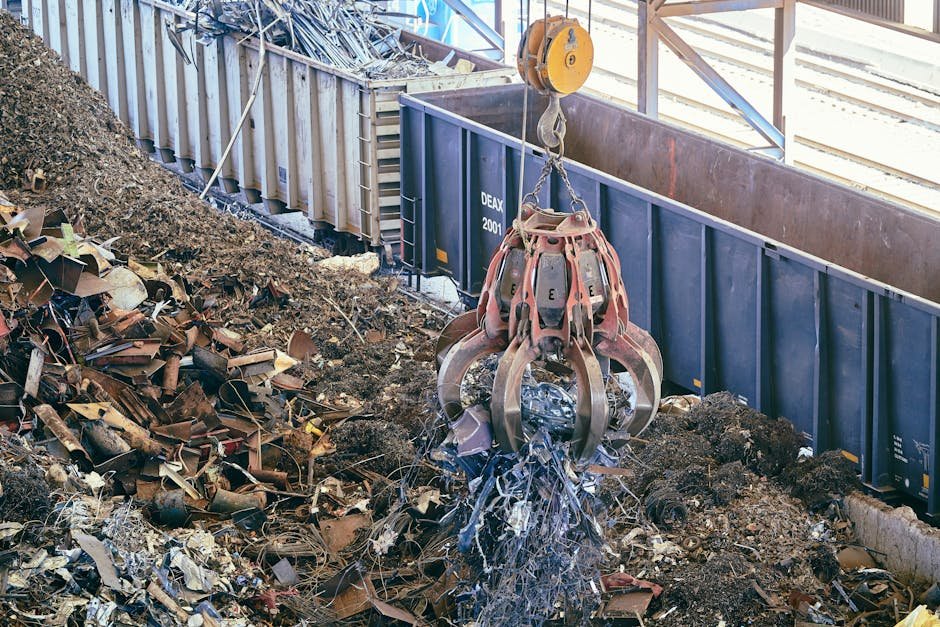

The current value of scrap metal is a dynamic topic influenced by economic, environmental, and industrial factors. In Australia, the recycling and trading of scrap metals play a critical role in the circular economy, reducing resource depletion and supporting sustainable practices. This guide provides an in-depth exploration of scrap metal grades, the recycling process, environmental benefits, and practical insights for buyers and sellers.
Understanding Scrap Metal Grades and Their Value
Scrap metal is categorized into grades based on composition, purity, and usability. The two primary classifications are:
- Ferrous Metals: Contain iron and are magnetic. Common types include steel, iron, and wrought iron. While lower in value per ton than non-ferrous metals, they are abundant and widely recycled.
- Non-Ferrous Metals: Do not contain iron and are non-magnetic. Examples include copper, aluminium, brass, and stainless steel. These metals command higher prices due to their conductivity, corrosion resistance, and versatility.
The metal scrap value depends on factors like:
- Purity: Metals with fewer contaminants (e.g., clean copper wiring vs. mixed scrap) fetch higher prices.
- Form: Shredded or processed materials may be less valuable than intact, usable components.
- Market Demand: Industries like construction, automotive, and electronics drive demand for specific grades.
For example, copper is highly sought after for electrical wiring and renewable energy projects, while aluminium is prized for its lightweight properties in packaging and aerospace sectors. Always verify the current price of scrap metal to stay informed about grade-specific fluctuations.
How Scrap Metal Recycling Works in Australia
Recycling scrap metal involves a multi-step process that ensures materials are recovered, processed, and repurposed efficiently. Here’s a breakdown of the key stages:
- Collection: Scrap is gathered from sources like demolition sites, manufacturing facilities, and household waste.
- Sorting: Advanced technologies (e.g., eddy current separators, optical sorters) and manual labor separate ferrous and non-ferrous metals.
- Processing: Metals are shredded, baled, or melted to remove impurities and prepare them for reclamation.
- Reprocessing: Melted scrap is cast into ingots or alloys for use in new products, reducing the need for raw mining.
Australia’s scrap metal recycling near me services streamline this process, ensuring compliance with environmental regulations. For instance, the ScrapTrade platform connects recyclers with certified facilities, optimizing efficiency and transparency.
Environmental Benefits of Metal Recycling
Recycling scrap metal offers significant environmental advantages, making it a cornerstone of sustainable resource management:
- Energy Conservation: Recycling aluminium saves 95% of the energy required to produce new aluminium from bauxite ore. Similarly, steel recycling reduces energy use by 60%.
- Resource Preservation: Recycling extends the lifecycle of finite resources like copper and zinc, reducing the need for environmentally damaging mining.
- Waste Reduction: In 2022, Australia recycled over 10 million tonnes of ferrous metals, diverting waste from landfills and lowering greenhouse gas emissions.
By repurposing scrap, industries also reduce water pollution and habitat destruction associated with mining. For example, recycling one tonne of copper saves 1.4 cubic meters of waste and 365 liters of water.
Factors Affecting the Current Value of Scrap Metal
The current value of scrap metal fluctuates due to a combination of local and global influences:
- Commodity Markets: Prices are tied to global demand for raw materials, influenced by economic growth in countries like China and India.
- Exchange Rates: The Australian dollar’s strength against the US dollar impacts import/export costs for metals traded internationally.
- Government Policies: Environmental regulations and carbon taxes can affect production costs and recycling incentives.
- Seasonality: Construction and manufacturing activity peaks during specific months, driving temporary demand for certain metals.
Staying informed about these factors is essential. Platforms like Current Scrap Metal Prices provide real-time updates to help buyers and sellers make data-driven decisions.
Practical Tips for Selling Scrap Metal in Australia
If you’re looking to sell scrap metal near me in 2026, follow these steps to maximize your returns:
- Identify Your Scrap: Categorize materials (e.g., copper pipes vs. steel beams) and clean them to remove contaminants like dirt or paint.
- Research Buyers: Compare prices from local scrapyards, online platforms, and brokers. Check reviews for reliability and transparency.
- Prepare for Inspection: Sort materials by type and present them neatly to avoid deductions for mixing grades.
- Track Market Trends: Use tools like ScrapTrade to monitor price changes and negotiate better deals.
For large-scale sellers, partnering with a trusted recycler can simplify logistics and ensure compliance with Australian environmental standards.
The Future of Scrap Metal in Australia
As Australia transitions to a low-carbon economy, the demand for recycled metals will rise. Government initiatives like the National Waste Policy Action Plan aim to achieve a 80% recycling rate by 2030, further boosting the current value of scrap metal. Innovations in recycling technology, such as AI-driven sorting systems, will also enhance efficiency and profitability for the industry.
Conclusion
Understanding the current value of scrap metal is essential for maximizing returns and contributing to sustainability. By leveraging knowledge of grades, recycling processes, and market trends, individuals and businesses can make informed decisions that benefit both their wallets and the planet. Whether you’re a seller seeking the best prices or a buyer looking for reliable recycled materials, platforms like ScrapTrade and ScrapTrade Australia provide the tools needed to navigate this dynamic market.
Related: metal scrap value
Frequently Asked Questions
What determines the current value of scrap metal?
The value depends on factors like metal grade (ferrous vs. non-ferrous), purity, market demand, and global commodity prices. Check current price of scrap metal for real-time data.
How can I find the best price for my scrap metal?
Compare offers from local scrapyards, use online platforms like Sell Scrap Metal Near Me In 2026, and track market trends to negotiate effectively.
What are the environmental benefits of recycling scrap metal?
Recycling conserves energy, reduces mining, and lowers greenhouse gas emissions. For example, recycling aluminium saves 95% of the energy needed to produce new aluminium.
How do I start recycling scrap metal in Australia?
Begin by contacting Scrap Metal Recycling Near Me services or using platforms like ScrapTrade to locate certified recyclers in your area.