
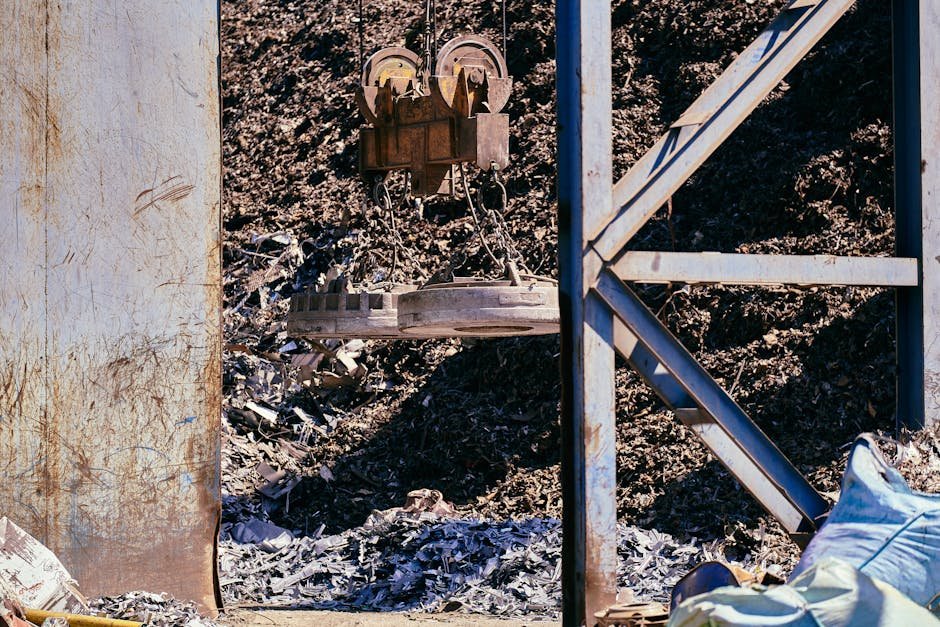

The recycle steel price per ton is a critical factor for businesses and individuals involved in metal recycling. In Australia, where industrial activity and construction projects drive demand, understanding steel recycling dynamics is essential for maximizing profits and sustainability. This guide breaks down the 2024 market value, pricing mechanisms, and practical insights for sellers. From ferrous metal grades to environmental benefits, we cover everything you need to know about the recycle steel price per ton landscape.
Overview of Recycle Steel Pricing in Australia
Australia’s steel recycling market is a cornerstone of its circular economy, with over 90% of steel being recycled annually. The recycle steel price per ton fluctuates based on global and domestic factors, including demand from construction, manufacturing, and automotive sectors. Mild steel, sheet metal, and other ferrous metals dominate the scrap steel market, with prices closely tied to the scrap steel price per kg metrics.
Current Market Value: Recycle Steel Price Per Ton (2024)
As of Q1 2024, the recycle steel price per ton in Australia typically ranges between $150 and $300, depending on the type and quality of the scrap. For example:
- Mild steel (ferrous): $180–$250 per ton
- Sheet metal: $200–$300 per ton
- Stainless steel scrap: $400–$600 per ton (see Stainless Steel Scrap Price)
To get the current price of recycled steel, visit Scrap Trade’s price tracker, which updates daily based on regional and global trends.
How Are Recycle Steel Prices Set?
Steel recycling prices are influenced by a combination of market forces and logistical factors:
1. Global Steel Prices
The London Metal Exchange (LME) and the U.S. steel market heavily influence Australia’s steel price per tonne. When global demand for virgin steel rises, scrap prices often follow due to competitive sourcing by foundries and mills.
2. Supply and Demand
Construction booms or downturns directly impact recycle steel price per ton. For example, increased infrastructure projects in Queensland or New South Wales can drive up local scrap prices as recyclers compete for materials.
3. Transportation Costs
Logistics play a significant role. Remote regions may see lower prices due to higher fuel and handling costs, while urban centers with processing facilities offer better rates.
4. Metal Purity and Grade
High-purity metals like stainless steel command premium prices, while mixed ferrous scrap fetches lower rates. Proper sorting and documentation can significantly impact your returns.
Key Factors Affecting Recycle Steel Cost
Several variables determine the recycle steel price per ton at any given time:
1. Economic Conditions
Recessionary periods often reduce industrial activity, lowering demand for recycled steel. Conversely, economic growth spurs construction and manufacturing, increasing scrap value.
2. Exchange Rates
Australia’s reliance on Asian markets (e.g., China, India) means the AUD/USD exchange rate affects the metal prices today. A weaker AUD makes Australian scrap cheaper for international buyers, potentially lowering local prices.
3. Recycling Technology
Advances in sorting and processing technology, such as Eddy current separators for non-ferrous metals, improve recycling efficiency, indirectly influencing scrap pricing by reducing processing costs.
4. Environmental Policies
Government regulations, such as carbon pricing mechanisms, can impact the cost of producing virgin steel, making recycled steel more economically attractive.
The Recycling Process: From Scrap to Reuse
Understanding the recycling process helps sellers optimize their returns. Here’s how scrap steel becomes reusable:
- Collection: Scrap is gathered from industrial sites, demolition projects, or household sources.
- Sorting: Ferrous and non-ferrous metals are separated. Contaminants like plastic or concrete are removed.
- Shredding: Large items are processed into smaller, manageable pieces.
- Melting: Scrap is melted in electric arc furnaces to produce molten steel.
- Refining and Casting: The molten metal is purified and cast into billets, sheets, or other forms for reuse.
Proper sorting is critical. For instance, mixing stainless steel with mild steel can reduce the value of both. Always check with your recycler to ensure compliance with their grading standards.
Drop-Off vs. Pickup: Choosing the Right Option
Sellers have two primary options for recycling steel: drop-off centers or scheduled pickups. Each has advantages and drawbacks:
Drop-Off Centers
- Pros: Immediate payment, no waiting for transport, and often competitive pricing for small quantities.
- Cons: Inconvenient for large volumes, potential delays due to center capacity, and limited facilities in rural areas.
Scheduled Pickups
- Pros: Ideal for bulk scrap, eliminates transportation costs, and allows negotiation based on volume.
- Cons: May require minimum weight thresholds and longer payment processing times.
For large-scale sellers, platforms like Scrap Trade offer reliable pickup services tailored to business needs.
Environmental Impact of Steel Recycling
Recycling steel is one of the most effective ways to reduce industrial carbon footprints. Key benefits include:
- Energy Savings: Recycling steel uses 60% less energy than producing new steel from iron ore.
- Resource Conservation: Reduces the need for mining, preserving natural habitats and ecosystems.
- Carbon Emissions: A single ton of recycled steel prevents 1.5 tons of CO2 emissions compared to virgin production.
Australia’s government has set a target of achieving 100% recycled steel usage in construction by 2030, further underscoring the importance of responsible recycling.
Maximizing Your Returns: Tips for Sellers
To get the best scrap price for steel, consider these expert tips:
- Research Local Markets: Compare prices from multiple recyclers using tools like Scrap Trade’s price comparison.
- Sort and Clean Scrap: Remove non-metal components to avoid devaluation. Dirty or mixed scrap fetches lower prices.
- Bundle Sales: Offer bulk quantities to negotiate higher rates, especially for commercial clients.
- Monitor Global Trends: Track LME updates and economic reports to time your sales during price peaks.
Conclusion
The recycle steel price per ton is a dynamic metric shaped by global markets, local demand, and recycling efficiency. By understanding factors like metal prices today and leveraging platforms like Scrap Trade, sellers can optimize their earnings while contributing to Australia’s sustainable future. Whether you’re recycling mild steel, sheet metal, or stainless scrap, staying informed is the key to success in the scrap industry.
Related: Stainless Scrap Price How To Sell Stainless Steel Scrap For Maximum Profit
Frequently Asked Questions
How often do recycle steel prices change?
Recycle steel prices can fluctuate daily due to global market trends, supply-demand imbalances, and local economic factors. Always check the current price of recycled steel before selling.
What factors make stainless steel scrap more valuable?
Stainless steel scrap commands higher prices due to its corrosion resistance and high nickel/chrome content. Proper sorting and documentation are essential to avoid downgrading its value.
Is it better to use drop-off or pickup for large steel volumes?
For large volumes, pickup services are more cost-effective and efficient. Platforms like Scrap Trade offer tailored solutions for bulk scrap.
How does recycling steel help the environment?
Recycling steel reduces energy use, mining waste, and carbon emissions. It also extends the lifecycle of materials, supporting a circular economy.