
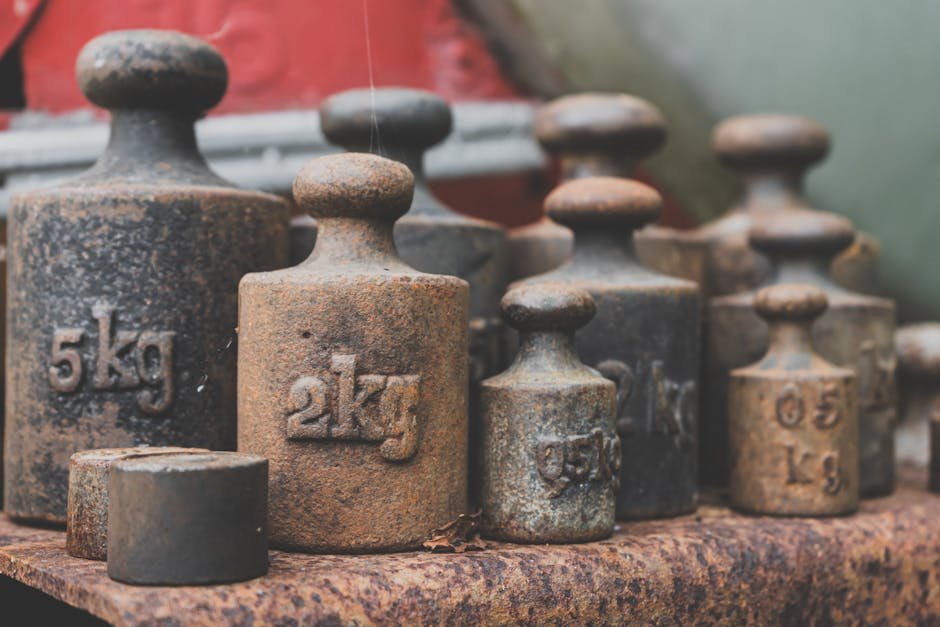

Understanding lead prices per kg is critical for scrap metal traders, recyclers, and industrial buyers in Australia. Lead is a vital resource for batteries, construction, and manufacturing, but its value fluctuates based on global markets, supply chains, and local regulations. As of 2024, the average lead price per kg ranges between $1.80 and $2.20, though this can vary significantly depending on the grade of lead, regional demand, and environmental policies. This guide provides expert insights into how prices are determined, the factors driving changes, and strategies to optimize returns from lead scrap transactions.
Understanding Lead in the Scrap Metal Industry
Lead is one of the most valuable non-ferrous metals in recycling due to its widespread use in automotive batteries, radiation shielding, and industrial applications. Scrap lead typically comes from spent batteries, pipeline remnants, and electronic waste. The purity of lead significantly impacts its price per kg—pure lead commands higher rates, while lead contaminated with other metals or impurities fetches lower prices. Recyclers must also navigate strict environmental regulations, as improper handling of lead poses severe health and ecological risks. For detailed scrap metal prices, including lead, visit Scrap Trade, Australia’s leading platform for metal recycling data.
Current Lead Prices Per Kg in Australia (2024)
As of March 2024, lead prices per kg in Australia reflect a mix of local and global market conditions. The table below outlines typical rates for different grades of lead:
- Pure lead: $2.10–$2.20/kg
- Battery lead: $1.80–$1.95/kg
- Low-purity lead: $1.30–$1.60/kg
Prices are influenced by the London Metal Exchange (LME), which sets global benchmarks. However, Australian buyers may pay less than LME rates due to transportation costs and refining expenses. For up-to-the-minute scrap lead prices, consult Scrap Trade’s real-time tracking tools.
How Lead Prices Per Kg Are Determined
The pricing of lead per kg involves multiple factors, including:
- Global demand: Lead is primarily consumed in battery production, which accounts for over 80% of global usage. Electric vehicle growth has increased demand for lead-acid batteries.
- Refining costs: Impure lead requires energy-intensive processing to remove contaminants, affecting the final price.
- Regulatory policies: Environmental laws governing lead recycling and emissions influence production costs and market access.
- Exchange rates: Since lead is traded internationally, fluctuations in the Australian dollar impact import/export economics.
For a broader view of metal prices, including copper, aluminium, and steel, visit scrap.trade.
Factors Affecting Lead Prices Per Kg
Several dynamic elements drive changes in lead prices per kg, including:
1. Industrial Demand
Lead’s primary use in batteries makes it sensitive to automotive and renewable energy trends. The rise of electric vehicles (EVs) has increased demand for lithium-ion batteries, but lead-acid batteries remain dominant in automotive and industrial sectors due to their low cost and reliability.
2. Environmental Regulations
Australia’s strict regulations on lead recycling and emissions raise compliance costs for smelters and refiners. These costs are often passed on to buyers, affecting lead prices per kg.
3. Global Market Volatility
Events like geopolitical conflicts, trade wars, or disruptions in mining (e.g., in China or South Africa) can create supply shortages, pushing prices higher. Conversely, oversupply in major producing regions can depress prices.
4. Currency Fluctuations
As a globally traded commodity, lead prices in Australia are influenced by the AUD/USD exchange rate. A weaker Australian dollar makes imports more expensive, potentially increasing local prices.
Practical Tips for Maximizing Returns
To optimize profits from lead scrap sales, consider these strategies:
- Test for purity: Use XRF analyzers to determine lead content before selling. Higher-purity batches fetch premium prices.
- Compare buyers: Not all recyclers pay the same rate. Use platforms like Scrap Trade to compare scrap prices and negotiate better deals.
- Time your sale: Monitor scrap lead prices per kg and sell during peak demand periods, such as before LME price rallies.
- Prepare your material: Clean and sort lead scrap to remove contaminants. Segregating pure lead from mixed metals can increase your per-kilogram rate.
Future Outlook for Lead Prices
Analysts predict modest growth in lead prices per kg over the next 12–18 months, driven by:
- Increased battery recycling needs as older vehicles are phased out.
- Government incentives for lead recovery in e-waste management.
- Supply chain constraints in top-producing nations like China and Peru.
However, the long-term trajectory remains uncertain due to competition from alternative materials and recycling technologies. For real-time market rate updates, visit scrap.trade.
Additional Resources
For deeper insights into lead prices per kg and related topics, explore these resources:
- Scrap Metal Prices Australia – Comprehensive pricing data for all non-ferrous metals.
- Scrap Lead Prices – Daily updates on lead scrap rates.
- ScrapTrade – Australia’s largest B2B platform for metal recycling.
By understanding lead prices per kg and the factors that influence them, traders and recyclers can make informed decisions to maximize profits. Stay ahead of market trends with Scrap Trade’s expert analysis and real-time data tools.
Frequently Asked Questions
What is the average lead price per kg in Australia in 2024?
The average lead price per kg in Australia ranges from $1.80 to $2.20 in 2024, depending on purity and market conditions. Pure lead commands higher rates, while lower-grade lead fetches less. Check scrap lead prices per kg for the latest data.
How does lead purity affect its market price per kg?
Lead purity directly impacts its value per kg. Pure lead (over 99% purity) sells for up to $2.20/kg, while battery-grade lead (70–90% purity) typically ranges from $1.80–$1.95/kg. Contaminated or mixed metals reduce the price to $1.30–$1.60/kg.
Where can I sell lead for the best price per kg?
Use platforms like Scrap Trade to compare scrap prices across Australia. Local recyclers and smelters may offer varying rates, so always test your lead’s purity and negotiate based on current market rate trends.
How often do lead prices per kg fluctuate?
Lead prices per kg can fluctuate weekly due to global supply chains, battery demand, and LME benchmarks. Monitor scrap lead prices regularly, especially before large sales, to time your transactions for maximum profit.