
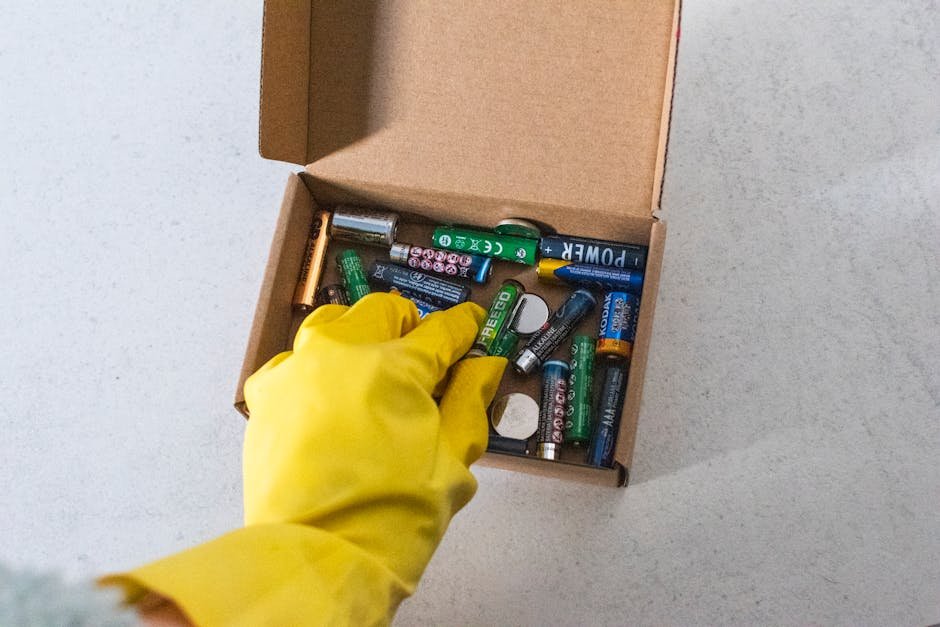

Understanding junk battery prices is essential for anyone looking to responsibly dispose of old car, truck, or industrial batteries while also earning some cash. The value isn’t arbitrary; it’s directly tied to the valuable raw materials inside, primarily lead, which is one of the most recycled commodities on the planet. This comprehensive guide will delve into everything you need to know about the current market value, how these prices are set, the critical factors that influence the final cost, and how you can ensure you’re getting a fair deal for your scrap. Whether you’re a mechanic with a pile of old car batteries or a homeowner with a single unit, this knowledge empowers you to make informed decisions and contribute positively to Australia’s recycling ecosystem.
What Determines Junk Battery Prices?
The value of a scrap battery isn’t about the unit itself but about the recoverable materials within it. A standard lead acid battery, which is the most common type found in vehicles and backup power systems, contains three primary components of value: lead, plastic, and sulfuric acid. The acid is safely neutralized during the recycling process, leaving the lead and plastic as the main drivers of junk battery prices.
- Lead Plates: This is the most valuable component. The heavy lead plates inside the battery constitute about 60-70% of its total weight. The purity and quantity of this lead are paramount. The global market for refined lead is highly volatile, and its daily fluctuations on the London Metal Exchange (LME) are the single biggest factor in determining what scrap yards can pay. You can track these movements by checking our dedicated page for Scrap Metal Prices.
- Polypropylene Plastic Casing: The hard plastic shell that houses the lead and acid makes up roughly 20-25% of the battery’s weight. This plastic is also recyclable and has a market value, though it is significantly lower than that of lead. Its value is added to the overall calculation.
- Scale of Operation: Large-scale commercial generators, such as workshops or fleet operators, who can deliver multiple tonnes of batteries at once, will typically command a higher price per kilogram than an individual bringing in a single battery. This is due to the reduced handling and logistics costs for the recycler.
Current Market Value: Price Per Kg and Price Per Tonne
As of the latest market data, junk battery prices in Australia are dynamic. It is crucial to understand that prices are almost always quoted by weight, not per unit. This is because battery weights can vary significantly—a small motorcycle battery might weigh 5kg, while a large truck battery can exceed 40kg.
The general range for car battery scrap is between $0.40 and $0.90 per kilogram. This translates to approximately $400 to $900 per metric tonne. These figures are a baseline and can shift based on the factors discussed in the next section. For the most accurate and up-to-date current scrap prices in your specific region, we highly recommend using our localised tool to find Scrap Metal Prices Near Me. This will give you a real-time snapshot of what yards in your area are offering, ensuring you get the best possible deal.
Key Factors Affecting the Cost of Scrap Batteries
Several variables can cause the price you’re quoted to sit at the higher or lower end of the market range. Being aware of these will help you understand the quote you receive and even take steps to maximise it.
- Global Lead Prices: This is the kingpin. The metal prices today for lead on international commodities exchanges directly dictate what recyclers can pay. If lead prices are up, your battery is worth more. If they fall, the scrap value drops accordingly. Our comprehensive Scrap Prices page provides insights into these trends.
- Battery Condition: A intact, unbroken battery is worth more than a cracked or leaking one. A damaged battery may have lost some of its lead content or acid, reducing its weight and value. It also poses a greater handling and environmental risk for the recycler, which can result in a lower price or even a refusal to accept it.
- Local Market Competition: The number of scrap metal yards and recycling centres in your area influences price. In regions with several competing buyers, prices tend to be more competitive as businesses vie for your material.
- Quantity: As mentioned, volume is key. A single battery will fetch the standard rate. A pallet load or a truckload will give you negotiating power to secure a price at the top end of the market range.
- Contaminants: Batteries that are filled with dirt, water, or other non-battery materials will be weighed down by these contaminants. Recyclers will deduct this weight, paying you only for the actual battery weight, so it’s best to ensure your batteries are clean and dry.
The Process of Battery Recycling and Its Impact on Value
Understanding the incredible process of battery recycling highlights why the condition and content of your battery are so important. Recycling is not just about melting down metal; it’s a sophisticated, environmentally critical operation.
When a scrap battery is received, it is first neutralized, and the sulfuric acid is safely processed, often into water or sodium sulfate. The battery is then crushed in a hammer mill, separating the components. The plastic chips are washed, melted, and pelletised to be made into new battery cases or other products. The lead-heavy paste and grids are smelted in a furnace to produce pure, refined lead bullion, which is used to manufacture new batteries. This closed-loop system recovers over 98% of a battery’s materials. The efficiency and cost of this process are factored into the price per kg that the recycler can afford to pay. Companies like ScrapTrade are at the forefront of this sustainable industry in Australia.
How to Get the Best Price for Your Junk Batteries
Maximising your return requires a small amount of effort and savvy. Follow these practical tips to ensure you’re not leaving money on the table.
- Call Ahead: Don’t just show up. Prices change daily. Phone a few local yards, quote the approximate weight of your load, and get a verbal price per kg quote. This also allows you to ask about their specific requirements.
- Build Volume: If you only have one or two batteries, consider storing them safely until you have a larger quantity. The difference in price for a bulk load can be substantial.
- Keep Them intact: Handle batteries carefully to avoid cracking the casing. A leaking battery is a hazardous material and is worth significantly less.
- Shop Around: Use online resources and make those calls. Don’t assume all yards pay the same. A few minutes of research can literally pay off. Checking broader junk prices can also give you context for the market.
- Understand the Weighing: Ensure your batteries are weighed on a calibrated scale. Most reputable yards will have this in clear view.
Comparing Junk Battery Prices to Other Scrap Metals
It’s useful to contextualise the value of scrap batteries within the wider scrap metal market. While lead from batteries has a consistent value, it generally sits in the mid-range compared to non-ferrous metals. It is far more valuable than steel or iron (ferrous metals) but less valuable than metals like copper, brass, or stainless steel. However, due to the high weight of each battery, a collection of them can quickly add up to a significant amount of money. For a full comparison of different materials, you can review our guide on junk metal prices to see where batteries fit in the hierarchy of scrap value.
The Ethical and Environmental Imperative of Battery Recycling
Selling your old batteries for scrap isn’t just a transaction; it’s an environmentally responsible action. Lead is a highly toxic heavy metal that can leach into soil and groundwater if sent to landfill. The plastic casings are petroleum-based and take centuries to break down. The battery recycling industry exists to prevent this environmental damage, conserving natural resources by recovering materials and reducing the need for virgin mining. By choosing to sell your junk batteries to a licensed recycler like Scrap Trade, you are directly contributing to a circular economy and protecting the Australian environment from harmful pollution. The financial incentive makes doing the right thing easier for everyone.
Conclusion: Turning Your Junk into Value
Navigating the world of junk battery prices is straightforward once you understand the core principles: value is driven by weight and the volatile global price of lead. By staying informed on current scrap prices, building volume, handling batteries with care, and shopping around for the best quote, you can ensure you maximise the return on your scrap materials. More importantly, you are participating in a vital environmental process that keeps toxic waste out of landfill and valuable materials in perpetual use. So, the next time you replace a car battery, remember it’s not just junk—it’s a commodity with real value waiting to be unlocked through responsible recycling.
Frequently Asked Questions
How much is a scrap car battery worth in Australia?
A scrap car battery’s worth is calculated by weight, not per unit. Currently, prices range from $0.40 to $0.90 per kilogram. The average car battery weighs 15-20kg, meaning you can expect to receive between $6 and $18 for a single standard battery, depending on its weight, condition, and the current lead price.
Do scrap metal yards accept leaking batteries?
Most reputable scrap yards will be hesitant to accept leaking or severely damaged batteries due to the significant health, safety, and environmental hazards they present. If they do accept them, they will likely offer a substantially reduced price to account for the increased handling costs and potential loss of lead and acid.
Why do junk battery prices fluctuate so much?
Junk battery prices are directly tied to the daily global market price for refined lead, which is traded on international commodity exchanges like the London Metal Exchange (LME). This price is highly volatile and reacts to global supply and demand, economic conditions, and mining output, causing the scrap value to rise and fall accordingly.
Is it legal to throw car batteries in the bin?
No, it is illegal and highly irresponsible to dispose of car batteries in your regular household bin or landfill. Lead-acid batteries are classified as hazardous waste due to their toxic lead and corrosive acid content. They must be recycled through licensed facilities, which is why scrap yards pay you to take them, ensuring they are processed safely and correctly.