
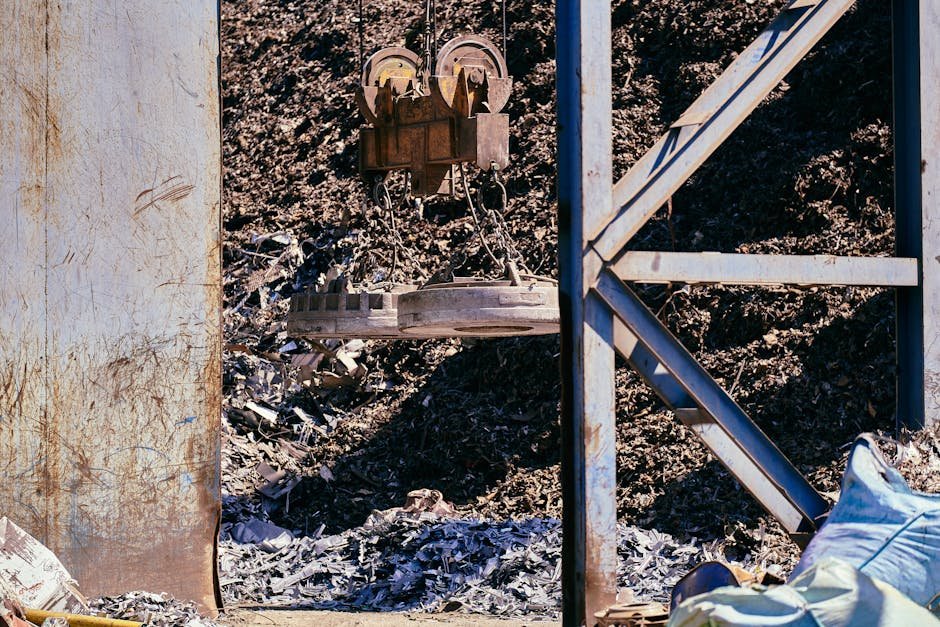

Navigating the world of scrap steel pricing can seem complex, but it’s fundamental to understanding the value of your materials. Whether you’re a tradesperson with off-cuts, a manufacturer with production waste, or a homeowner clearing out the shed, knowing what determines your scrap price for steel puts you in a stronger position. The price you’re quoted per tonne is the result of a global market, local demand from steel mills, and the quality of the material you’re supplying.
Key Factors That Determine Your Scrap Steel Rate
Your final offer is not arbitrary. Scrap yards assess several critical factors before giving you a scrap steel rate. The single most important factor is the grade and purity of your metal. Heavy, thick steel that is free of contaminants like dirt, rubber, or other metals is far more valuable than thin, mixed light iron. The current scrap steel pricing is also heavily influenced by the global market price for iron ore and the demand from local steel mills, who use scrap as a primary feedstock in electric arc furnaces.
Understanding the Different Grades of Scrap Steel
Not all steel is created equal in the scrapyard. Knowing the basic categories helps you sort effectively and negotiate better prices.
- Heavy Melting Steel (HMS 1 & 2): This is thick, structural steel like beams and girders. HMS 1 is clean and prepared, commanding a higher price than HMS 2, which may have slight contamination.
- Busheling: This is the premium grade. It consists of clean, new production steel scraps from manufacturing, like punch-outs and clippings. It is highly sought after by mills. For a deep dive, read our guide on Busheling Scrap What It Is Pricing And Why Steel Mills Prefer It.
- Mixed Light Iron: This category includes older, thinner metals like sheet metal, whitegoods, and fencing. It is the lowest-valued grade due to its low density and potential for contaminants.
- Stainless Steel: This is a separate category entirely. Containing chromium and nickel, it is non-magnetic and highly corrosion-resistant. Its value is tracked separately, and you can check the latest Stainless Steel Scrap Price for specific rates.
How to Maximise Your Scrap Steel Returns
Getting the best possible price isn’t just about having metal; it’s about preparation. The first rule is to separate your metals. Keeping steel separate from copper, aluminium, and especially stainless steel prevents your load from being downgraded to a mixed category. Next, clean your steel. Removing non-ferrous attachments like rubber tyres, copper wiring, or excessive dirt increases its purity and value. Finally, consolidate your load. A larger, single drop-off of clean, sorted metal is more economical for the yard to process and will often get you a better rate than several small, mixed loads.
For a comprehensive plan, our Steel Scrap Pricing Strategy Guide Maximize Your Returns In 2026 offers detailed steps to optimise your scrapping efforts throughout the year. Staying informed on market trends through trusted sources like Scrap.Trade and local experts like ScrapTrade.com.au is crucial for timing your sales to catch higher prices.
The entire recycling process is a cornerstone of the modern circular economy. By selling your scrap, you’re not just earning cash; you’re contributing to a system that significantly reduces the environmental impact of mining new iron ore, saving energy and natural resources. Understanding scrap steel pricing empowers you to be a part of this sustainable solution while ensuring you receive fair market value for your materials.
Frequently Asked Questions
What is the current price for scrap steel per kg in Australia?
Prices fluctuate daily based on global markets, but as a general guide, clean heavy steel (HMS) might range from $0.20 to $0.40 per kg, while mixed light iron is often lower. For the most accurate and up-to-date rates, it’s always best to contact your local scrap yard directly for a quote.
How can I get the best price for my scrap steel?
To maximise your returns, always separate your steel from other metals like copper and aluminium. Clean your steel by removing any attachments, dirt, or rubber. Consolidate your load into a larger, single drop-off, as bulk quantities often receive a better rate per tonne than small, mixed loads.
Why does the price for scrap steel change so often?
Scrap steel pricing is tied to the global commodities market. It is influenced by the international price of iron ore, demand from steel manufacturing mills in Australia and Asia, and global economic conditions that affect construction and industrial activity.
Do I need to separate different types of steel?
Yes, separation is crucial for getting the best price. Heavy melting steel should be kept separate from light gauge steel and stainless steel. Mixing grades will result in your entire load being classified as a lower-value mixed category, significantly reducing its value.